Last updated November 22, 2026
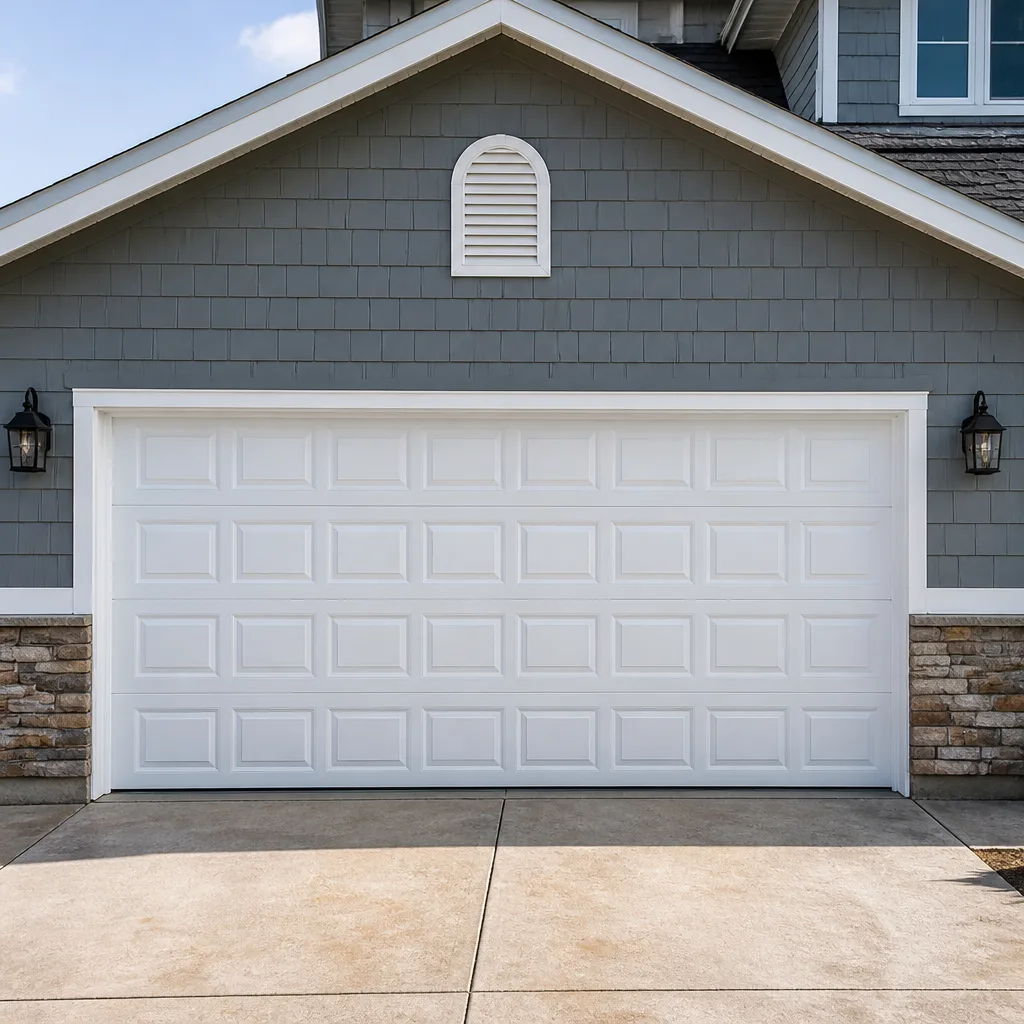 Raised-panel steel
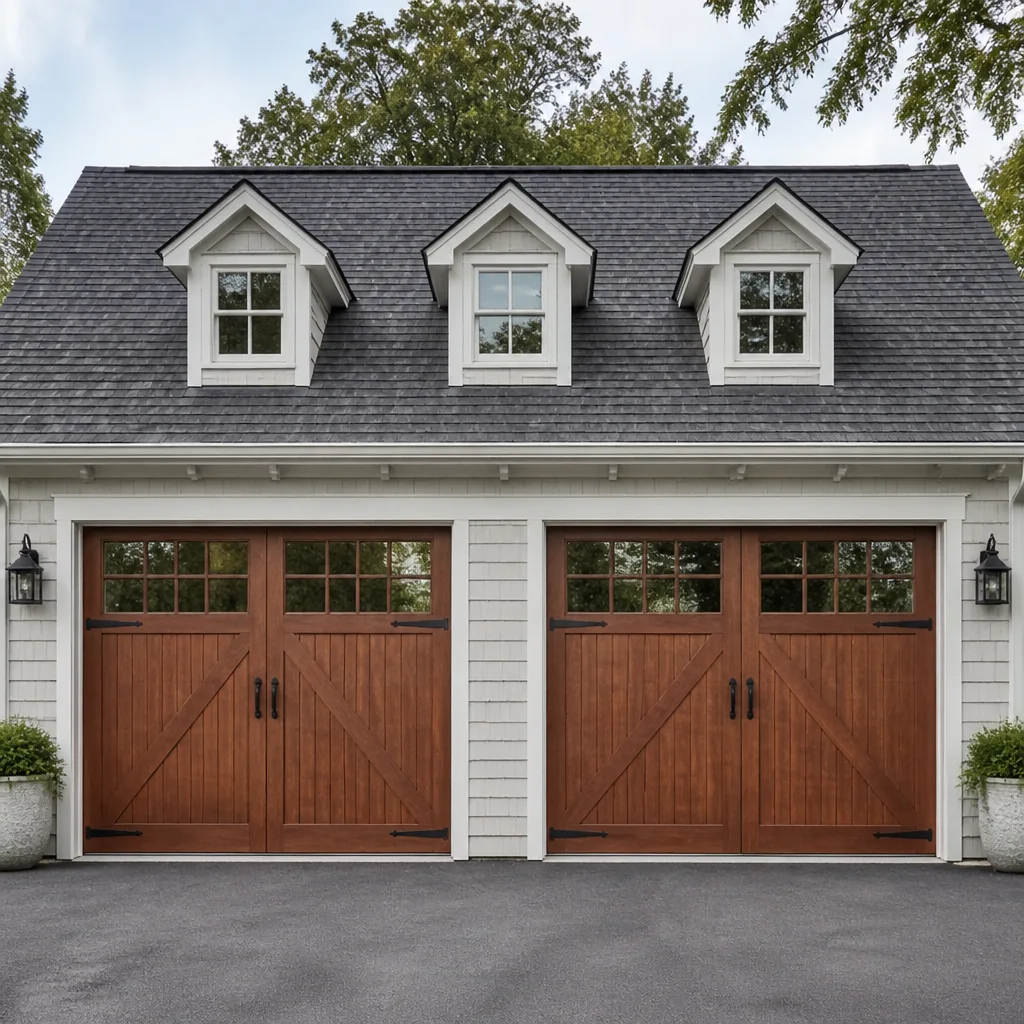 Carriage house
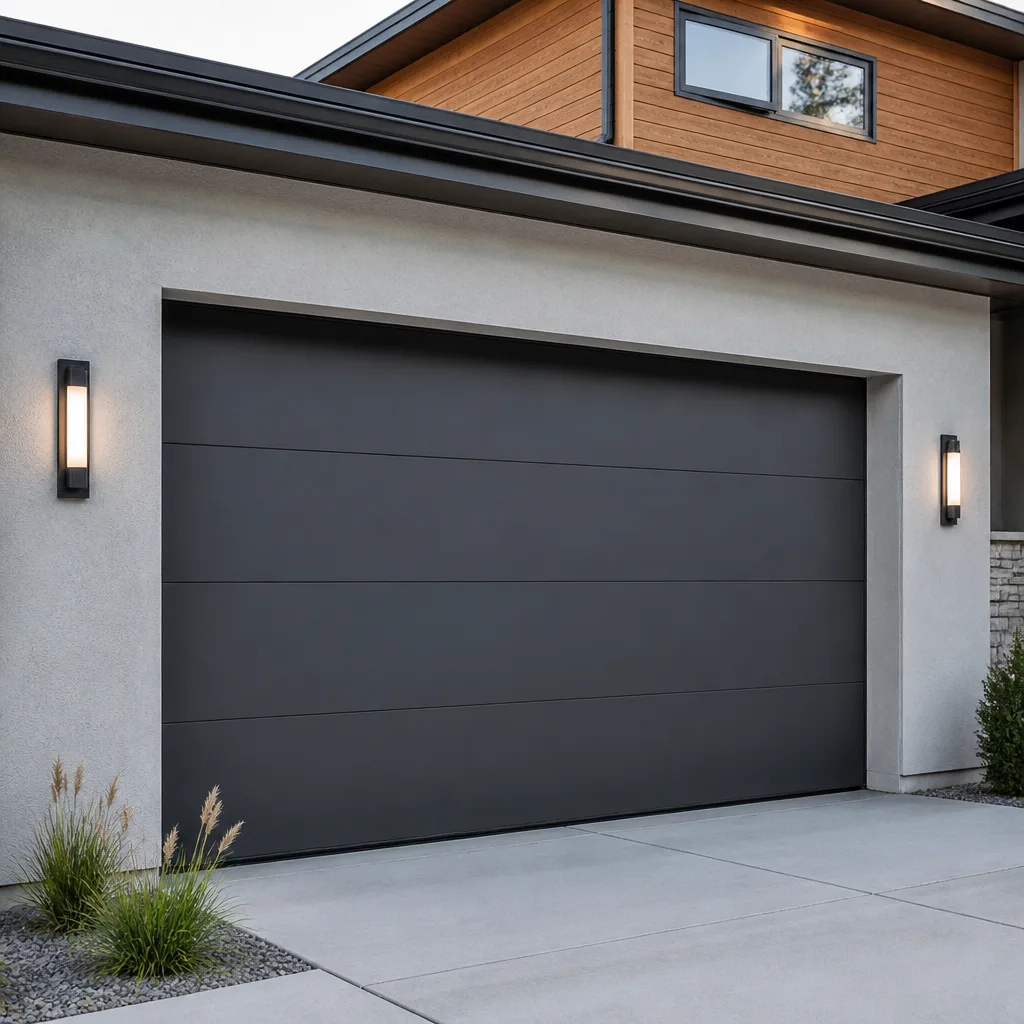 Modern flush
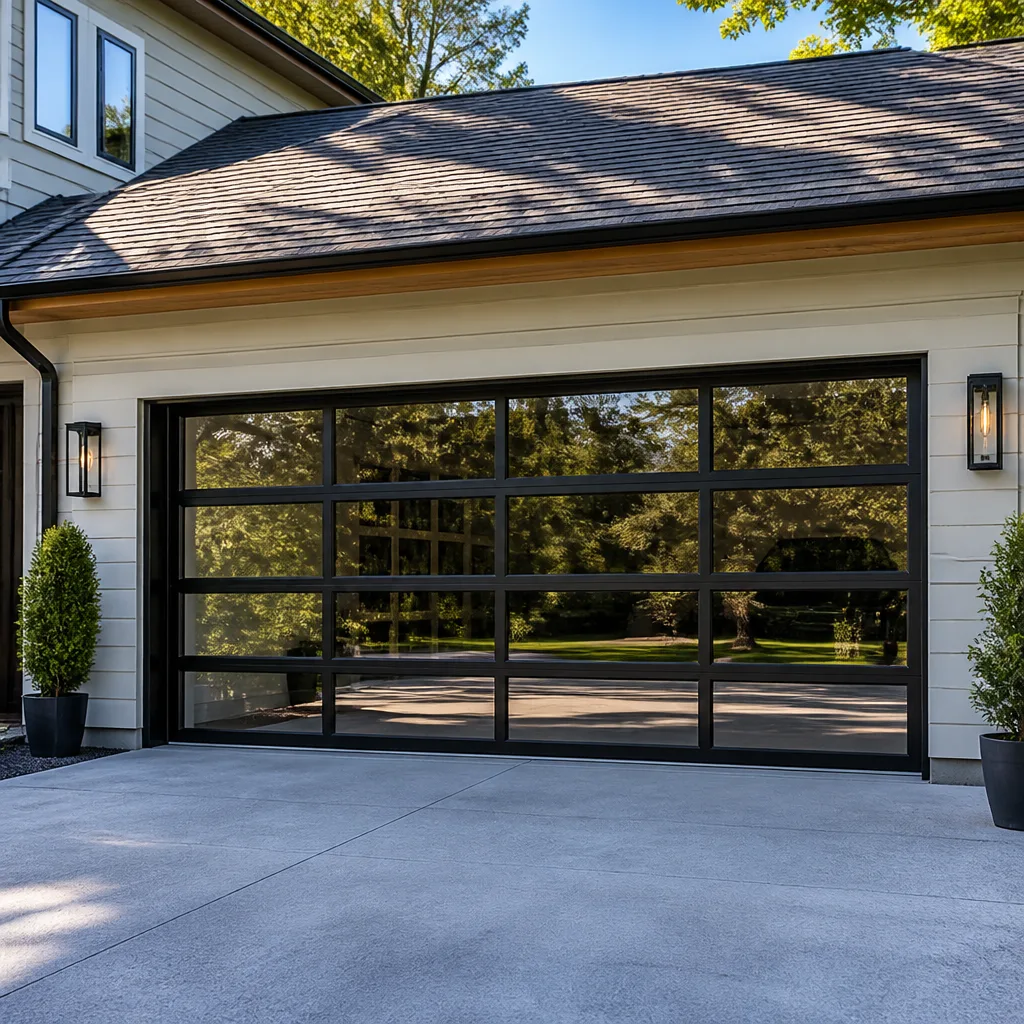 Full-view glass
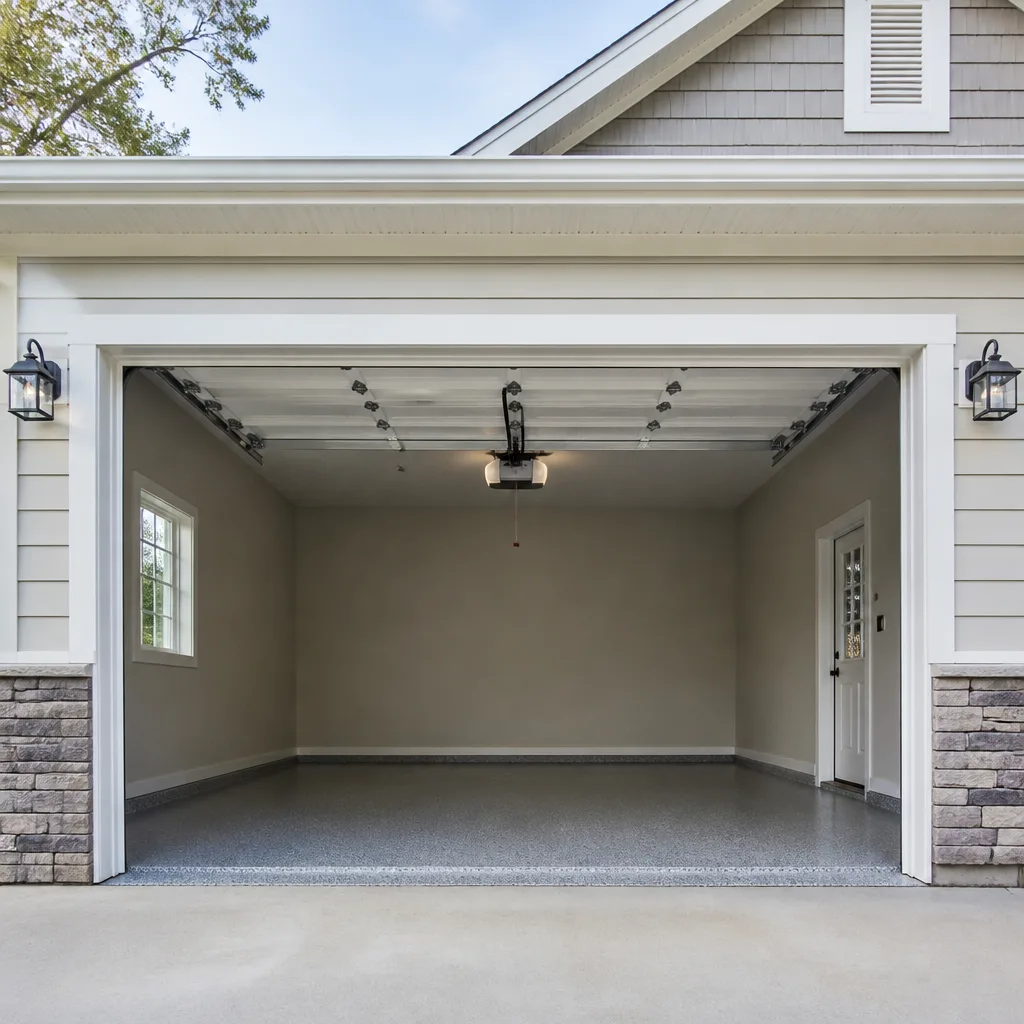 LiftMaster openers
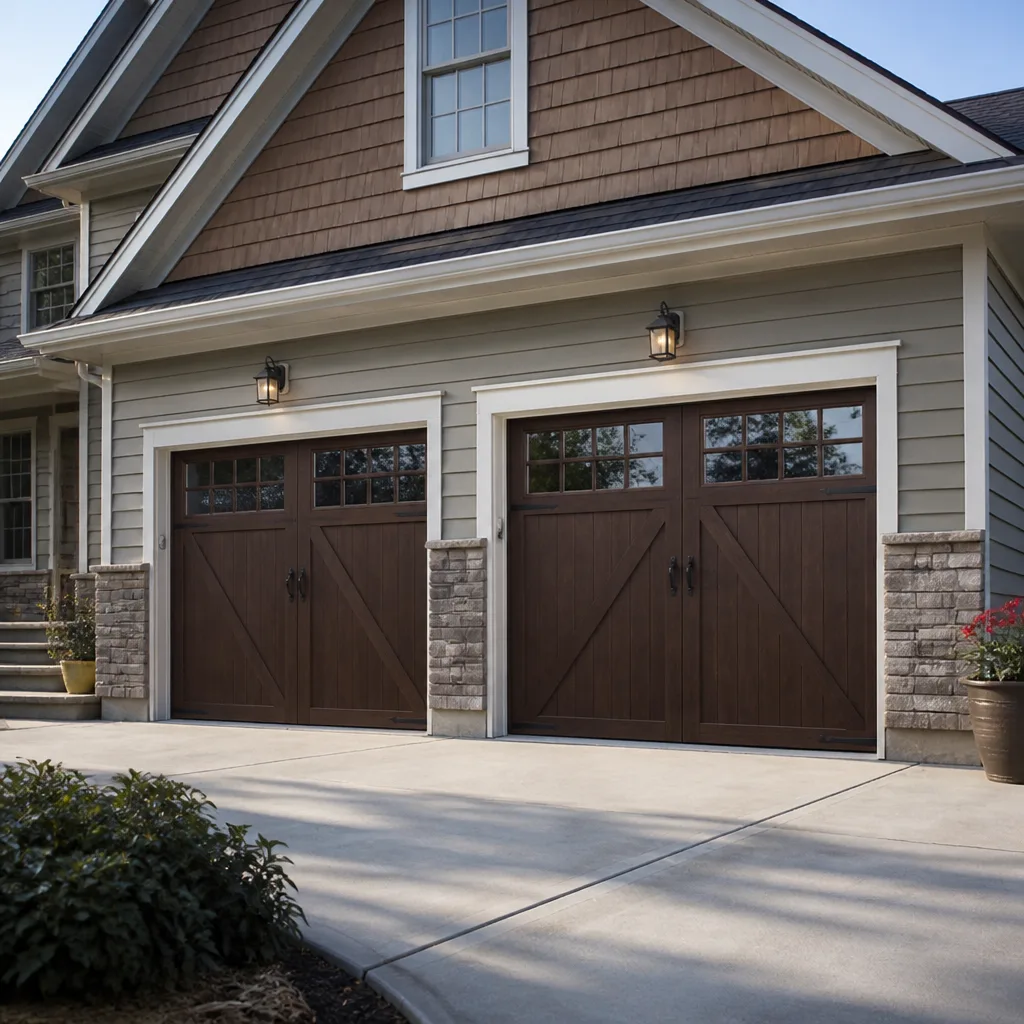 Chamberlain openers
Full 25-point door and opener safety check with every visit - springs, cables, rollers, tracks, and your LiftMaster or Chamberlain opener included
You get a price before we start. It does not change when the pro arrives.
Get your free estimateHow to Hire a Garage Door Contractor in Homestead: A Step-by-Step Guide
A garage door installed without Miami-Dade compliance documentation isn’t just a code violation. It can undo your homeowner’s insurance claim after a storm, even when the door itself carries a wind rating. That’s the part most hiring guides skip. They tell you to compare three bids, check reviews, and ask for references, all of which matter, but none of which tell you whether the person installing your door actually understands what Miami-Dade County expects from wind-rated products. In this guide we’ll walk through how to screen a contractor in Homestead, what license class to look for, how to verify it, why the NOA for your specific door is the document that counts, and how to compare quotes so you’re not pricing a compliant install against a shortcuts install. We work on garage doors for a living in Homestead, and this is what we’d want to know if the roles were reversed.
Quick Answer
To hire a garage door contractor in Homestead, verify an active Florida license (CBC, CRC, or a specialty license) on the DBPR website, confirm the contractor pulls permits and can produce a Notice of Acceptance (NOA) for the exact door model being installed, and get a written quote with itemized line items for the door, tracks, hardware, removal, permits, and wind-load compliance. Any contractor who can’t tell you which wind zone Homestead sits in before you ask twice is a contractor to skip.
Styles & brands we work with
- Raised-panel steel
- Carriage house
- Modern flush
- Full-view glass
- LiftMaster openers
- Chamberlain openers
Table of Contents
- Why Hiring a Garage Door Contractor in Homestead Is Different
- The License Question: What Florida Requires and How to Verify It
- The NOA: The One Document That Protects Your Insurance Claim
- Red Flags Specific to Homestead Contractors
- How to Compare Quotes Accurately
- Questions to Ask Before You Sign Anything
- Post-Install Support, Warranty, and Inspection Failures
- Repair vs. Replace: How a Good Contractor Decides
Why Hiring a Garage Door Contractor in Homestead Is Different
Homestead sits in one of the highest wind zones in the country. That single fact changes how a garage door has to be installed here compared to most of the country. In a lot of states, a garage door is a cosmetic upgrade installed in an afternoon with a few bolts and a track alignment. In Homestead, a garage door is part of the building envelope. When wind pushes against a house, the garage opening is often the first structural weak point that fails. A door that comes off its track or bows under pressure lets wind inside, and once the pressure equalizes inside the house, the roof is what gives.
That’s why Miami-Dade County developed its own product approval system. It’s stricter than what many other jurisdictions ask for, and for good reason. The compliance requirement isn’t paperwork busywork. It’s the record that shows the product you bought was tested for the wind pressures it will actually experience on your house.
What this means for you as a homeowner in Homestead is simple. The contractor you hire isn’t just a mechanic. They’re a compliance partner. When the work is done right, they hand you a permit record, an NOA, and a door that satisfies both your insurer and your municipal inspector. When it’s done wrong, the failure might not show up until the next storm, and by then you’re filing a claim on a door that was never approved for your house in the first place.
We work on garage doors throughout Homestead, from homes near the downtown historic district to newer construction out toward the turnpike corridor, and the compliance element is the one place we see hiring mistakes cost homeowners the most. Choosing on price alone is the single most common error we hear about.
The License Question: What Florida Requires and How to Verify It
Florida doesn’t license “garage door installer” as a standalone category in a way you can just grep on a business card. Garage door work in Florida generally falls under one of three license classes, and each one carries different scope. Here’s what to look for:
- Certified Building Contractor (CBC): A statewide license covering general contracting, including installation of building components. Broadest scope.
- Certified Residential Contractor (CRC): Also a statewide license, limited to residential structures. Covers most homes in Homestead.
- Specialty license (such as a garage door specialty): A narrower scope that covers garage door installation and repair specifically, usually under a specialty category approved by the Florida DBPR.
Some contractors in Homestead will hold a CBC or CRC. Others will hold a specialty license. What matters is that the license is active, matches the scope of the work, and belongs to the person or entity you’re actually hiring, not to someone they’ll introduce later.
Verification is free and takes about two minutes. Go to the Florida Department of Business and Professional Regulation (DBPR) website and search the license number or the business name. You’re looking for three things: status shows Active, the license type matches the work being done, and the name on the license matches the name on your contract. If the contractor hands you a card with a license number but the DBPR lookup shows a different business name or a status like “Delinquent” or “Null and Void,” stop there. Don’t ask for an explanation. Just move on.
One more check: confirm the contractor carries general liability insurance and workers’ compensation. Ask for the certificate of insurance and call the number on it to confirm the policy is current. This isn’t paranoia; it’s a two-minute call that keeps you out of a very expensive argument later. If a worker gets hurt on your property and the contractor doesn’t carry workers’ comp, that liability can come looking for you.
Our technicians have up to 14 years of experience, and we can tell you that the license check is the threshold question every other question depends on. If a Homestead contractor can’t pass it, the quality of the install is moot.
The NOA: The One Document That Protects Your Insurance Claim
A Notice of Acceptance, or NOA, is Miami-Dade County’s formal certification that a specific product has been tested and approved for use under specific wind conditions. It’s a product-specific document, not a generic “wind-rated” sticker. This is the piece most homeowners don’t know to ask for, and it’s the single most important compliance question in Homestead.
Here’s the difference in plain terms. A door can say “wind-rated” on the box. A door can be marketed as hurricane-rated. But if it doesn’t carry an NOA matching the model and the design pressure rating required for your home’s location, your inspector may fail it, and your insurer may treat an installed door without documented compliance as an unpermitted or non-conforming improvement. That’s when a claim after a storm becomes a fight.
Ask directly, in writing: “Can you provide the NOA for the exact door model you’re proposing to install on my home?” You want a document with a product control number, the model designation, and design pressure ratings. Not a brochure. Not a marketing page. The actual NOA.
If a contractor answers with “it’s wind-rated” or “all our doors are hurricane-approved” but can’t produce the document, that’s your screening signal. A licensed Homestead contractor who routinely pulls permits knows exactly where the NOA lives and can pull it in a minute. If they can’t, they’re either working outside the permit system or they’re not the person you want installing a door on the side of your house that holds the pressure.
See how this fits together with the install itself in our guide to garage door installation, where we walk through what a compliant installation involves in this market.
Red Flags Specific to Homestead Contractors
There are general contractor red flags (no insurance, no written contract, cash only) that apply everywhere. There are also some specifically Homestead red flags that separate a garage door specialist from someone who’s taking a job outside their lane:
- They can’t name the wind zone. Homestead is in the High Velocity Hurricane Zone (HVHZ) as defined by the Florida Building Code. Any garage door contractor working here should be able to say that without checking. If they look confused or hand-wave, they don’t do enough work in this market to know the rules.
- They don’t pull permits. A garage door replacement generally requires a permit in Miami-Dade, especially when structural attachment or wind load is involved. A contractor who says “we don’t need a permit for a door swap” is telling you something important about how they operate. Ask your city’s building department to confirm what your specific project requires.
- They sub out the install. It’s fine for a licensed contractor to bring in trained installers. It’s a problem when the person on your property is a day laborer with no oversight, no clear chain of responsibility, and no idea the door they’re installing carries an NOA requirement. Ask: “Who is physically installing this door, and who is supervising the install?”
- They quote one number for “everything” with no breakdown. A flat price with no line items for removal, door, tracks, hardware, permit, and compliance cost is a price you can’t audit. It might be a great number for a compliant install or a great number for a shortcuts install, and you won’t know which.
- They only offer replacement. If your door is opening and closing but the opener is failing, or a single panel is dented, a good contractor will offer garage door repair rather than pushing a full replacement. The pushy replacement-only sales approach is the one Homestead homeowners complain about to us most often.
- They hand you a warranty and then disappear. Get the warranty in writing before the contract is signed, and understand who honors it. A door manufacturer warranty and an installation labor warranty are two different things, and you want both documented.
How to Compare Quotes Accurately
Comparing three garage door quotes in Homestead is only meaningful when the quotes are quoted against the same scope. A compliant install and a shortcuts install can look identical on a one-line invoice, and the difference is what’s not written down.
When you receive quotes, ask each contractor to break the price down into these line items so you can compare apples to apples:
- Door model and brand, with the exact model number and the NOA document referenced.
- Design pressure rating for the door, matching what your home requires under Miami-Dade compliance.
- Old door removal and disposal, listed separately.
- Tracks, springs, hinges, rollers, and any hardware included or excluded.
- Opener, if included, with brand and model (Craftsman and LiftMaster are both common; brand matters for parts and support later).
- Permit cost, listed as its own line so you know whether the contractor is actually pulling it.
- Labor, listed as a line item rather than baked into the door price.
- Warranty terms for both the product and the installation, in writing.
- Post-install support, including who you call if an inspector flags something.
Once you have those line items, you can actually evaluate. A quote that’s $600 lower than another might be missing the permit line, which means nobody’s pulling a permit, which means your install record isn’t what your insurer will want to see. Or it might be missing the NOA reference, which means you need to ask whether the door even has one. The price difference becomes a compliance difference once you see it this way.
If you’re upgrading the whole system rather than a repair, our garage door installation line covers what the install side of the quote should include. If the opener is the failing component rather than the door, see garage door opener repair.
Questions to Ask Before You Sign Anything
Here’s a short list of questions that separate a garage door specialist from a general handyman who reads the manual on the way to your house. Ask them all, and get the answers in writing where you can:
- What license class do you hold, and what’s the license number? Then verify it on DBPR.
- Will you pull the permit, and is the permit cost in the quote? A yes without a permit line item is a soft no.
- What’s the NOA for the door you’re proposing, and can you send it before we sign? A specialist will send it in a day or two. A shortcut will change the subject.
- Who is installing the door, and who supervises? Names and roles, not “our team.”
- What brands do you service? A dedicated garage door contractor works across brands. In Homestead we see plenty of Chamberlain and Raynor systems alongside LiftMaster, Clopay, Amarr, Wayne Dalton, Genie, and Craftsman. A contractor who only works one brand either services a narrow slice of your options or is a dealer pushing one product.
- Do you repair, or only replace? If you have a failing spring or a single dead opener, a good contractor will quote a repair first and explain when replacement actually makes sense.
- What happens if the inspector fails it? The correct answer is that the contractor handles the fix and the reinspection at their cost, not yours.
- What’s the warranty on labor, and what’s the warranty on the door? Two documents, both in writing.
The brand question matters more than it sounds. We work on garage doors across 8 major brands, and being factory-familiar with a range of systems means we diagnose what’s actually wrong rather than blaming the brand or suggesting a replacement because the contractor doesn’t touch your opener’s manufacturer. That’s a real difference when you’re trying to get a door back to working order rather than sell a new system.
Post-Install Support, Warranty, and Inspection Failures
The work isn’t finished when the door is hanging and the opener clicks. It’s finished when the inspection passes, the NOA is filed, the warranty documentation is in your hands, and you know who to call if something goes wrong.
On the inspection side: in Miami-Dade, garage door installations generally require a permit and an inspection. If your contractor doesn’t build that step into the timeline, ask why. A reputable contractor in Homestead treats the inspection as a normal part of the job, not a surprise. They know what the inspector will look for (compliance sticker, attachment method, hardware) and they build it into the install rather than retrofitting after.
On the warranty side: you want two documents. One from the door manufacturer covering the product (typically a multi-year warranty with specific exclusions), and one from the contractor covering installation labor (typically a shorter window, sometimes tied to the inspection passing). Understand both. If a spring fails in year two because it was undersized for the door weight, that’s a labor issue, not a product issue, and you want the warranty to cover it.
On the support side: ask who you call if something isn’t right six months later. A dedicated garage door contractor should have a clear answer. A generalist who took the job as a one-off may not. Our garage door spring repair team, for example, is set up to handle the highest-tension part of the system as a standalone service, because springs are the component most likely to fail two or three years after install if the wrong size went on the door.
One safety note we won’t skip. Springs, cables, and the torsion assembly on a garage door are under extreme tension. A trained technician handles them with specific tools and procedures. Homeowners do not, and we mean that without any hedging. If a spring ever snaps or you see one hanging loose, do not try to adjust anything yourself, and do not let anyone without proper garage door training touch the assembly. Call a professional.
Repair vs. Replace: How a Good Contractor Decides
The right call between repair and replacement isn’t about which option costs the contractor more in labor. It’s about the state of the door, the state of the hardware, the compliance status of what’s already installed, and what you plan to do with the house. Here’s how a good garage door contractor thinks about it in Homestead:
- Single panel damage: Often repairable, especially when the door is a brand the contractor services and panels are still available. A new door is not the only answer to a dented panel.
- Spring failure: Almost always a repair, not a replacement, unless the door is near end of life anyway. A broken spring doesn’t compromise the door panels, and dedicated spring repair is a normal, predictable job.
- Opener failure on an otherwise healthy door: Repair or replace the opener, not the door. An opener replacement is a fraction of the cost of a full door, and the door is doing its job.
- Track damage or a door off its track: Repairable in many cases, but the cause needs to be diagnosed. A door that jumped track usually did so because of a hardware problem, a spring problem, or something hitting it, and fixing the track without fixing the cause just resets the timer.
- Door past its service life or out of compliance: This is where replacement makes sense. If the door on the house predates current Miami-Dade compliance or is showing structural fatigue, replacing it isn’t a sales pitch, it’s correcting an exposure.
If you’re mid-crisis (door won’t move, car trapped, house not secure), the repair-vs-replace conversation waits. Emergency garage door service exists for exactly that moment. But once the door is back to working order, have the conversation with your contractor about whether a replacement is coming and what the timeline looks like. That’s what a specialist does. That’s what we do.
Common Mistakes to Avoid
- Hiring on price alone. The lowest quote in Homestead is often the one that skipped the permit, skipped the NOA, and skipped the insurance certificate. The savings tend to get spent later, at the worst possible moment.
- Not asking for the NOA by model number. “Wind-rated” is a marketing phrase. “NOA for this exact model” is compliance. Ask for the document, not the phrase.
- Skipping the DBPR check. A license number on a card proves nothing until you look it up. Two minutes on the DBPR site is the cheapest insurance you’ll ever buy on a garage door job.
- Comparing flat quotes with no line items. A compliant install and a shortcuts install can land within a few hundred dollars of each other on a one-line invoice. Line items expose which is which.
- Letting a handyman or general contractor install the door. Garage doors are a specialty. The springs alone sit under enough tension that the wrong tool or the wrong technique causes serious injury. A generalist may be excellent at deck framing and still not know what a torsion spring needs to be. Hire a garage door contractor.
- Accepting a replacement quote without asking about repair. If your door is opening and closing and only the opener is dying, you don’t need a full replacement. If a contractor won’t quote a repair, ask why. If the answer is about the door’s compliance, that’s a real reason. If it’s about minimum job size, that’s not.
- Not asking who handles the inspection failure. If the answer isn’t “we do,” clarify it in writing before the contract is signed. An inspection failure should be a contractor problem, not a homeowner problem.
See the difference
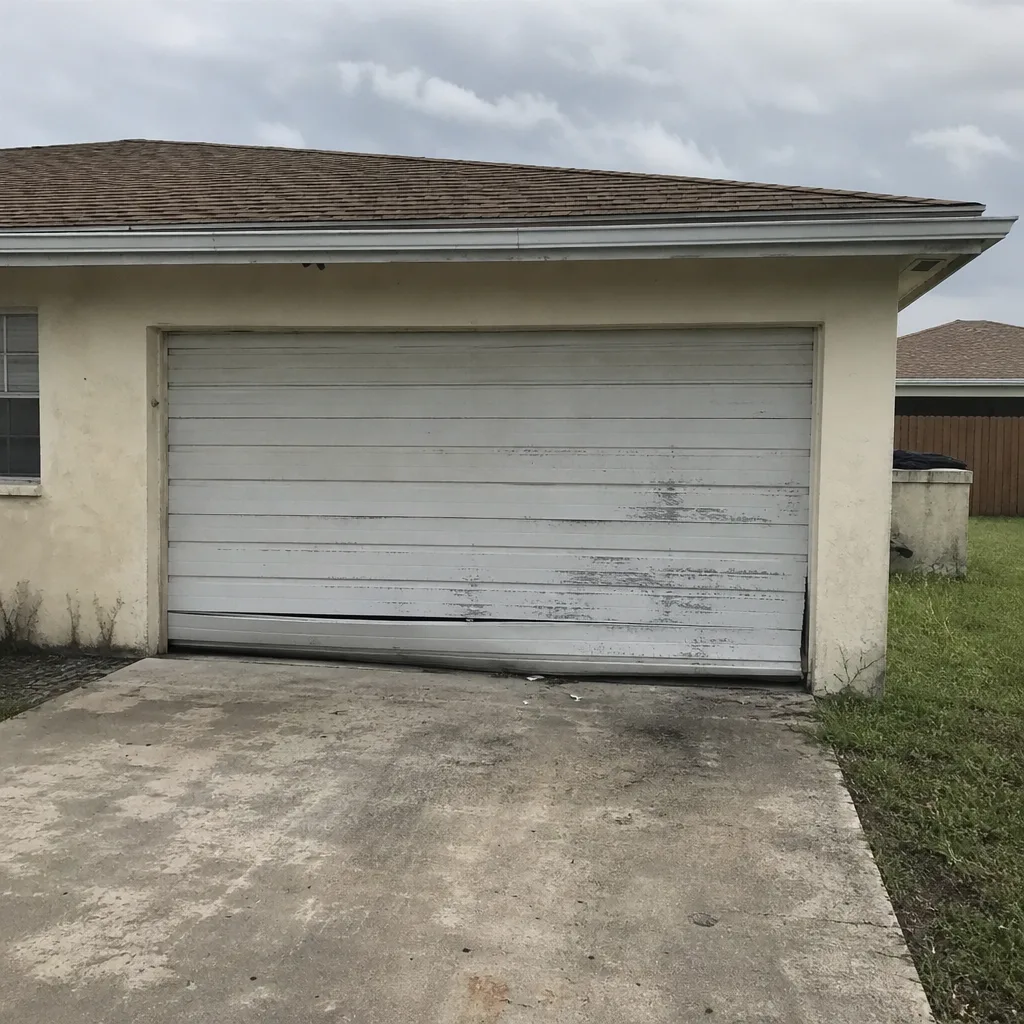 Before
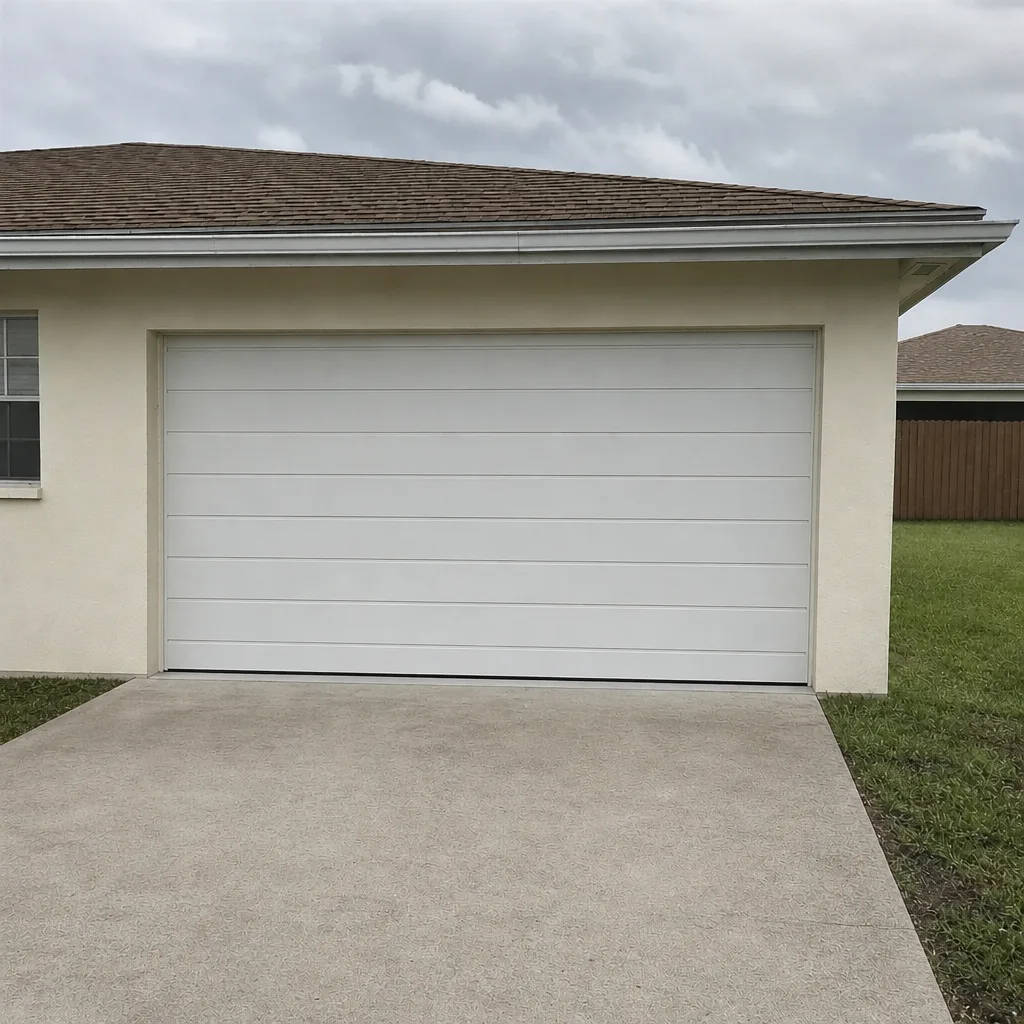 After
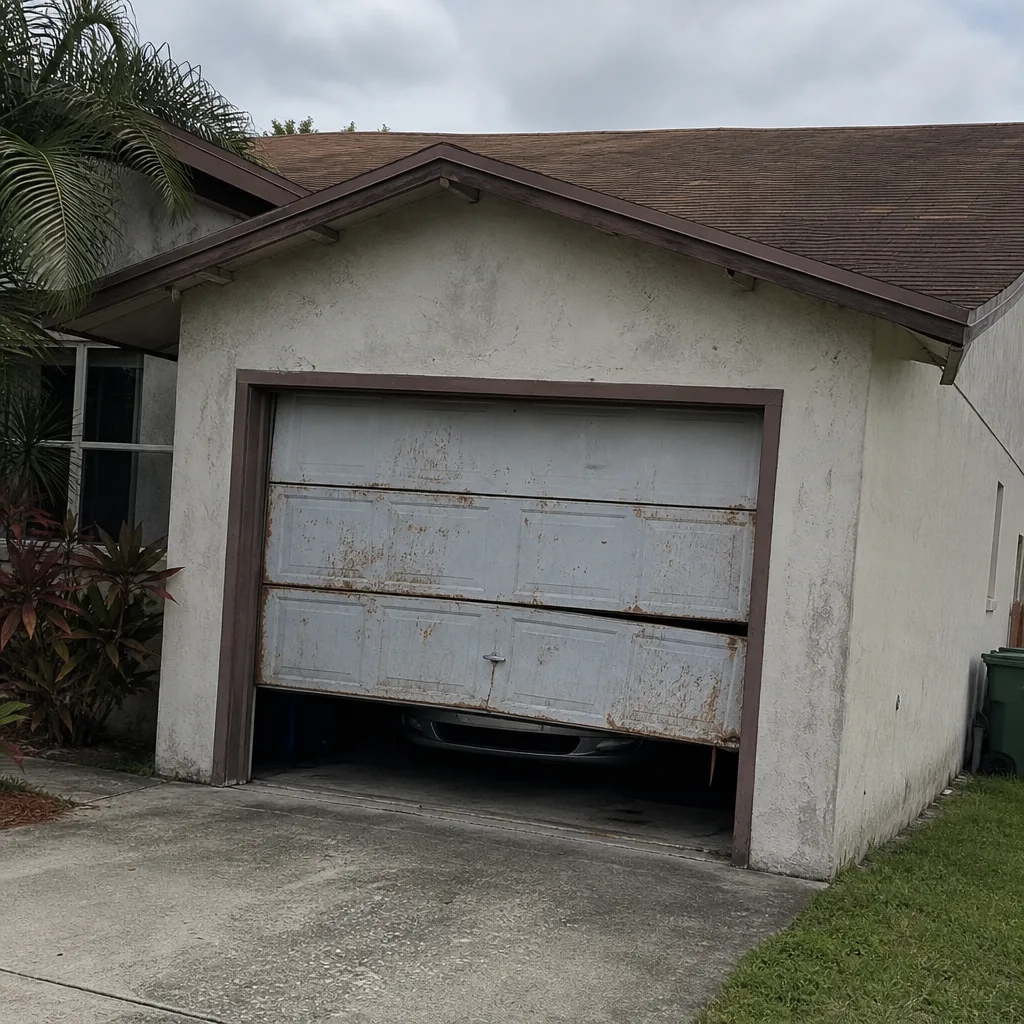 Before
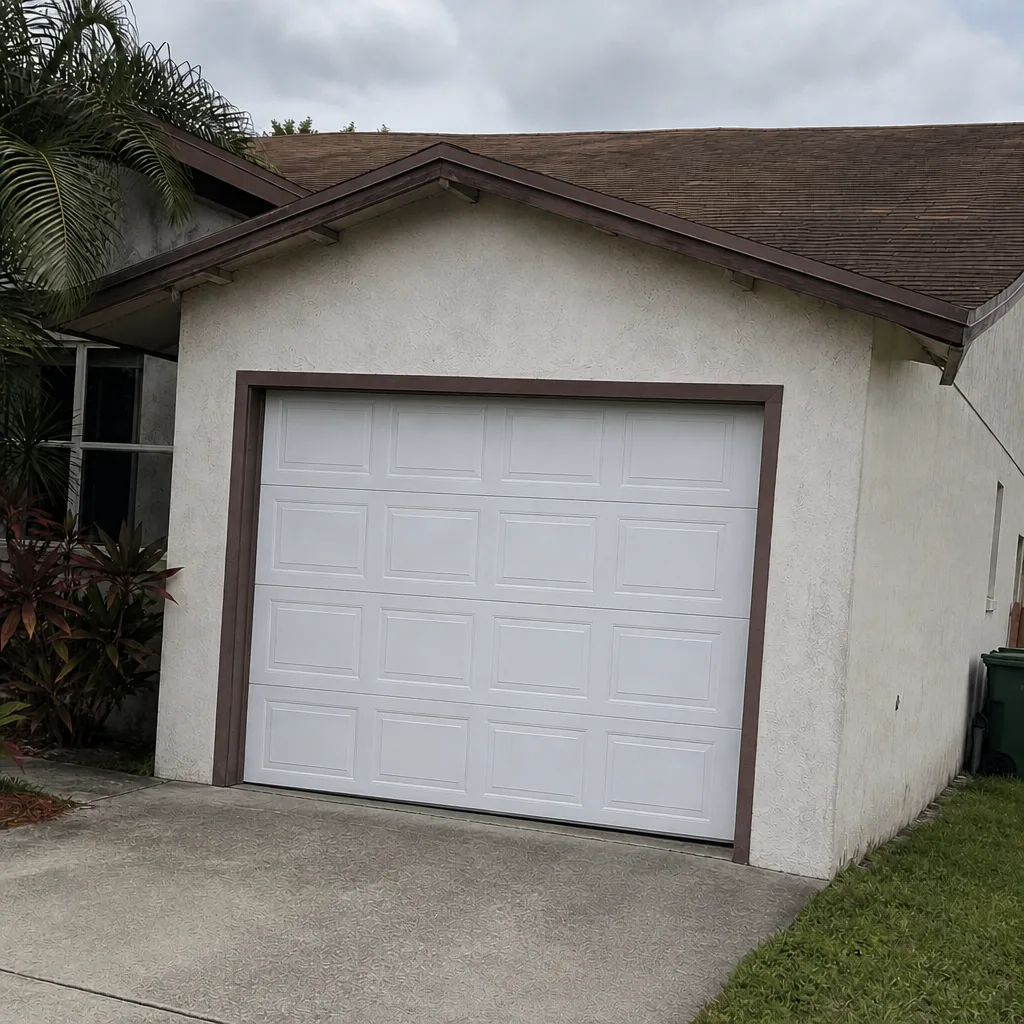 After
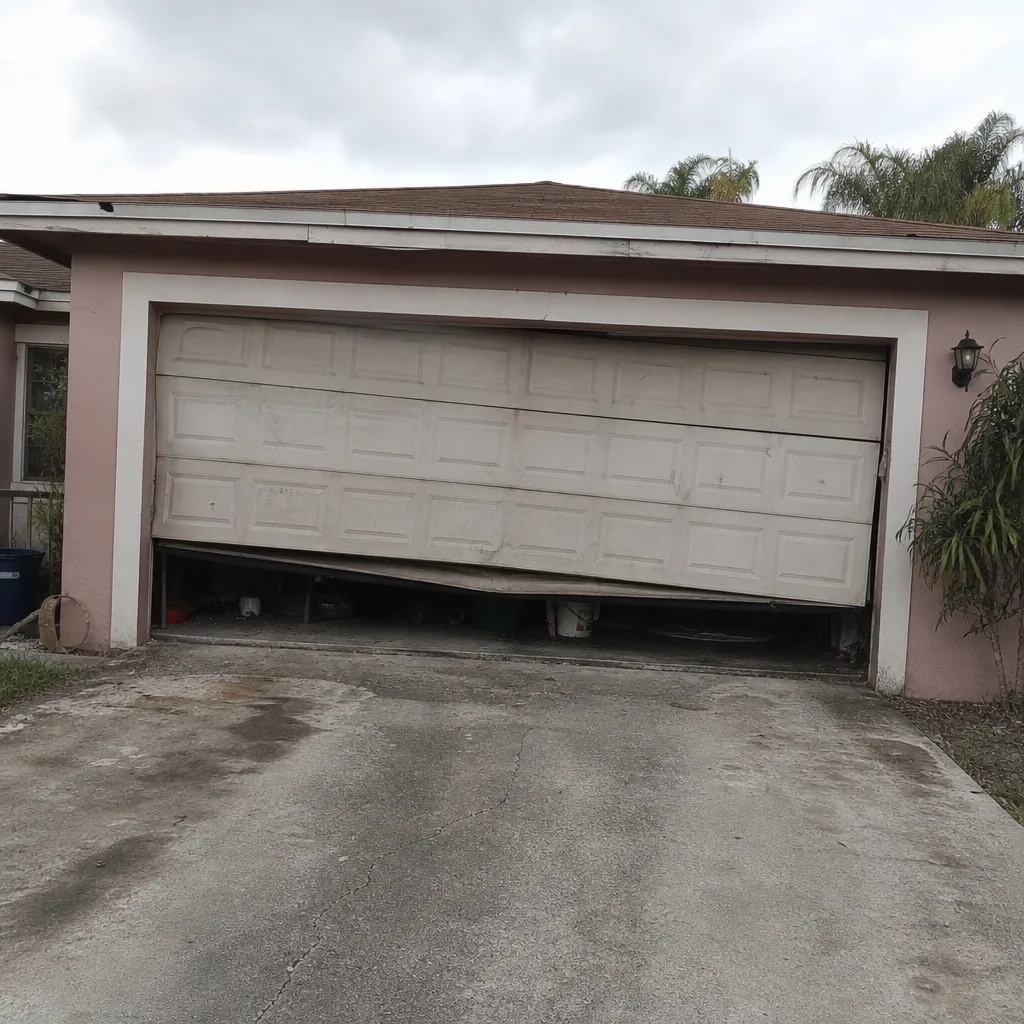 Before
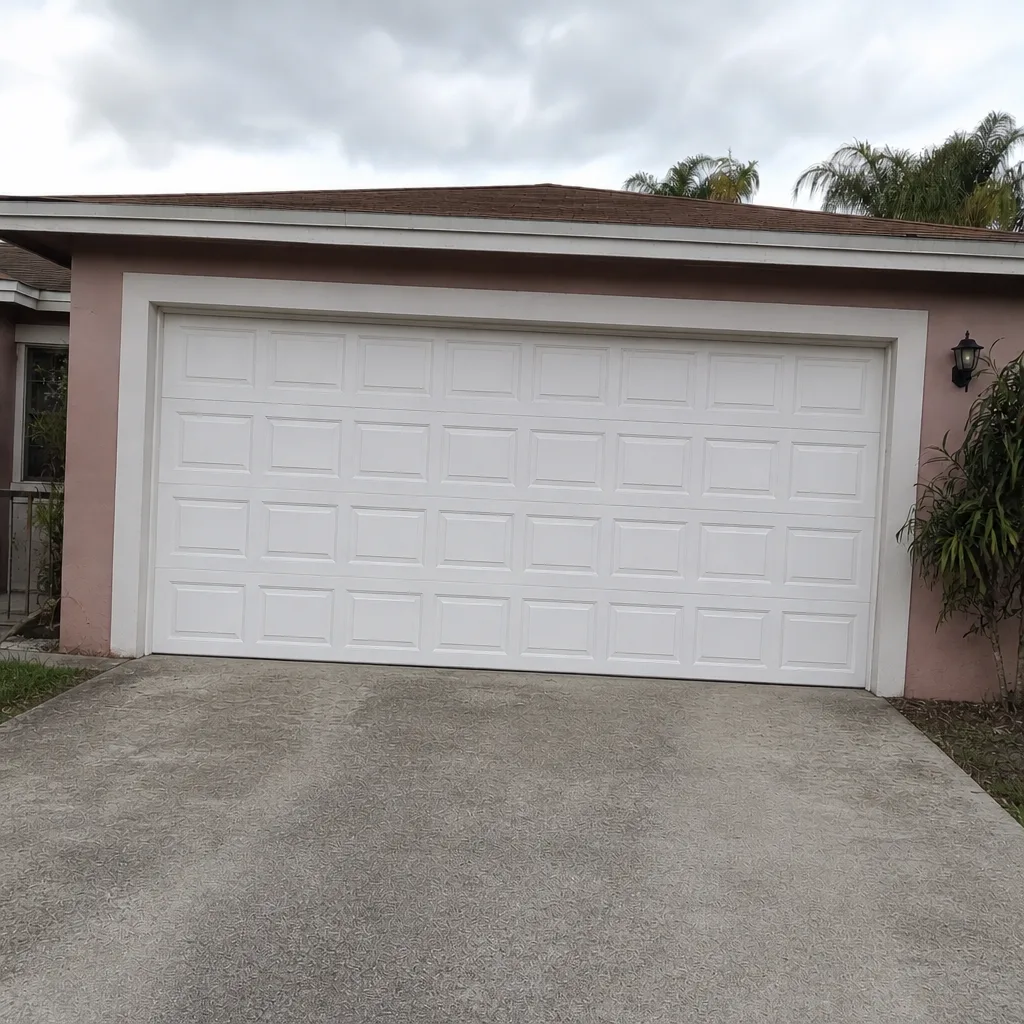 After
When to Call a Professional
Some garage door work is a nice-to-have. Some isn’t. Call a professional right away when the door won’t close or won’t open and the house is unsecured; when a spring has snapped and the door won’t lift; when the door is hanging off its track, jerking, or making a sound that suggests something is about to give; when the opener is grinding, reversing, or ignoring the remote; or when you’re facing a property inspection, an insurance review, or a real estate closing in Homestead and need the door brought into compliance fast. Spring and cable issues especially are not a “take a look at it this weekend” project. If a spring has failed, stop using the door and call. Homestead Garage Door Repair Co offers free estimates in Homestead. Call (866) 680-1175 for a written quote, and we’ll tell you honestly whether the door needs a repair or a replacement.
Frequently Asked Questions
Go to the Florida DBPR website and search the contractor’s license number or business name. Confirm the status shows Active, the license class (CBC, CRC, or specialty) matches the scope of work, and the name on the license matches your contract. If any of those don’t line up, look for another contractor before signing anything. Call (866) 680-1175 if you want to talk through your project first; estimates are free.
An NOA (Notice of Acceptance) is Miami-Dade County’s product-specific approval document showing a door has been tested and approved for specific wind conditions. It matters because your inspector and your insurer both want to see it, and an installed door without the matching NOA can create problems after a storm. Ask for the NOA for the exact door model being installed, and get it in writing before the contract is signed. Call (866) 680-1175 for help confirming compliance on your project.
In most cases yes, especially when structural attachment or wind load is involved. Miami-Dade treats garage door replacements as a permit-and-inspection item for anything more than a cosmetic swap, and that’s an extra reason to hire a contractor who pulls permits as a normal part of the job. Ask your city’s building department to confirm specifics for your address, and call (866) 680-1175 if you want to understand what a compliant install involves in Homestead.
Repair pricing depends entirely on what’s failing. Opener repair, spring replacement, panel repair, and track work each carry different scopes and different price ranges, and the only honest number is the one written on a quote after someone has looked at the door. Call (866) 680-1175 to schedule a free estimate; the written quote is what you pay.
Emergency garage door service is a real offering for us, not a marketing line, so a door that won’t open, close, or secure is a call we take seriously. Call (866) 680-1175 and tell us what the door is doing, and we’ll talk through the next step for a Homestead address. Same-day availability depends on the specific issue and the day, and the estimate is free either way.
Repair is usually the right answer when the panels are solid and the failure is in a spring, opener, or piece of hardware. Replacement makes sense when the door is past its service life or isn’t compliant with current Miami-Dade wind requirements. A good contractor will quote both and explain the difference. Call (866) 680-1175 for a free estimate and an honest recommendation.
The Bottom Line
Hiring a garage door contractor in Homestead comes down to verification. Confirm the license on DBPR. Ask for the NOA for the exact door being installed. Insist on itemized quotes and a permit line. Ask who physically installs the door and who handles an inspection failure. Anything less is choosing based on a price you can’t audit. When those checks pass, you’re hiring a garage door specialist who treats your door as part of your home’s security and compliance, not a one-line invoice. Repair first, replace only when it makes sense. Back to working order, done correctly. That’s what we do throughout Homestead. Contact Homestead Garage Door Repair Co at (866) 680-1175 for a free estimate on repair, opener service, or a full replacement.
Written by the team at Homestead Garage Door Repair Co.