Last updated November 22, 2026
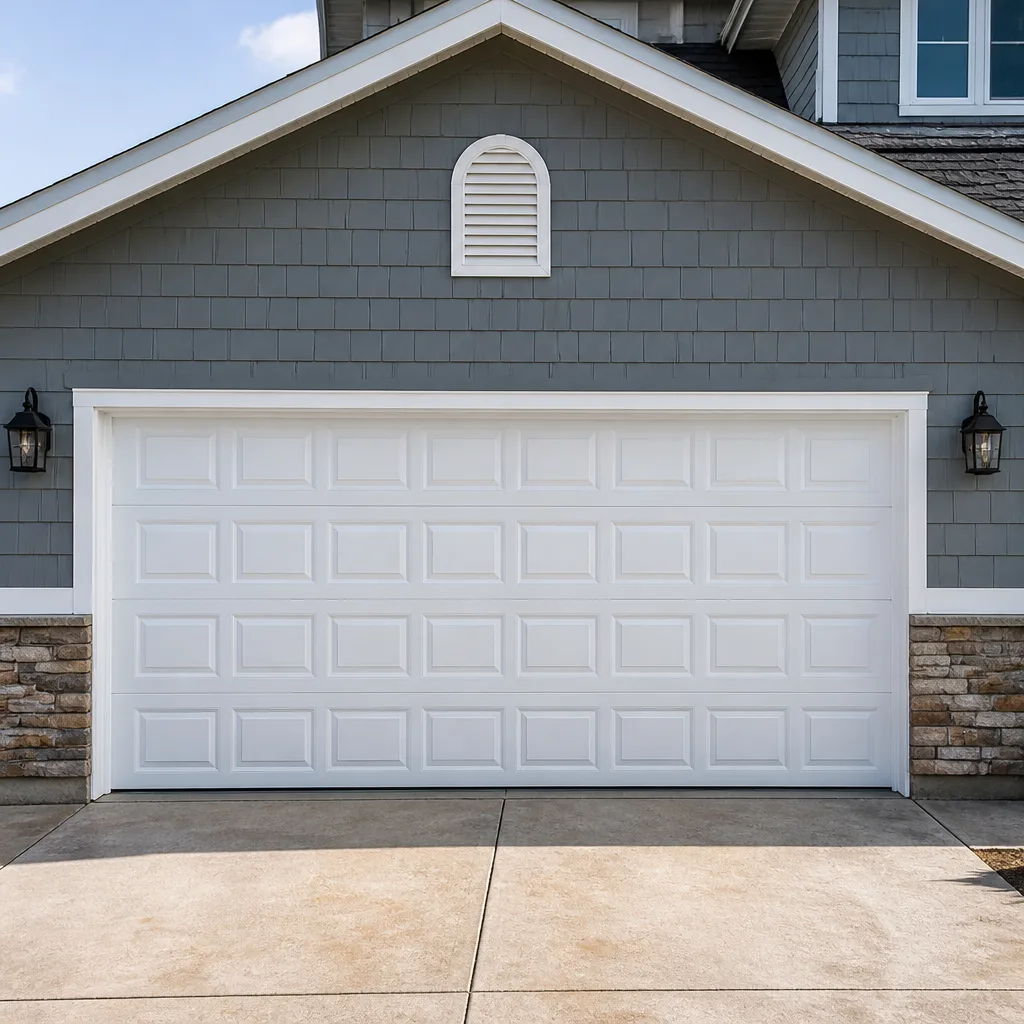 Raised-panel steel
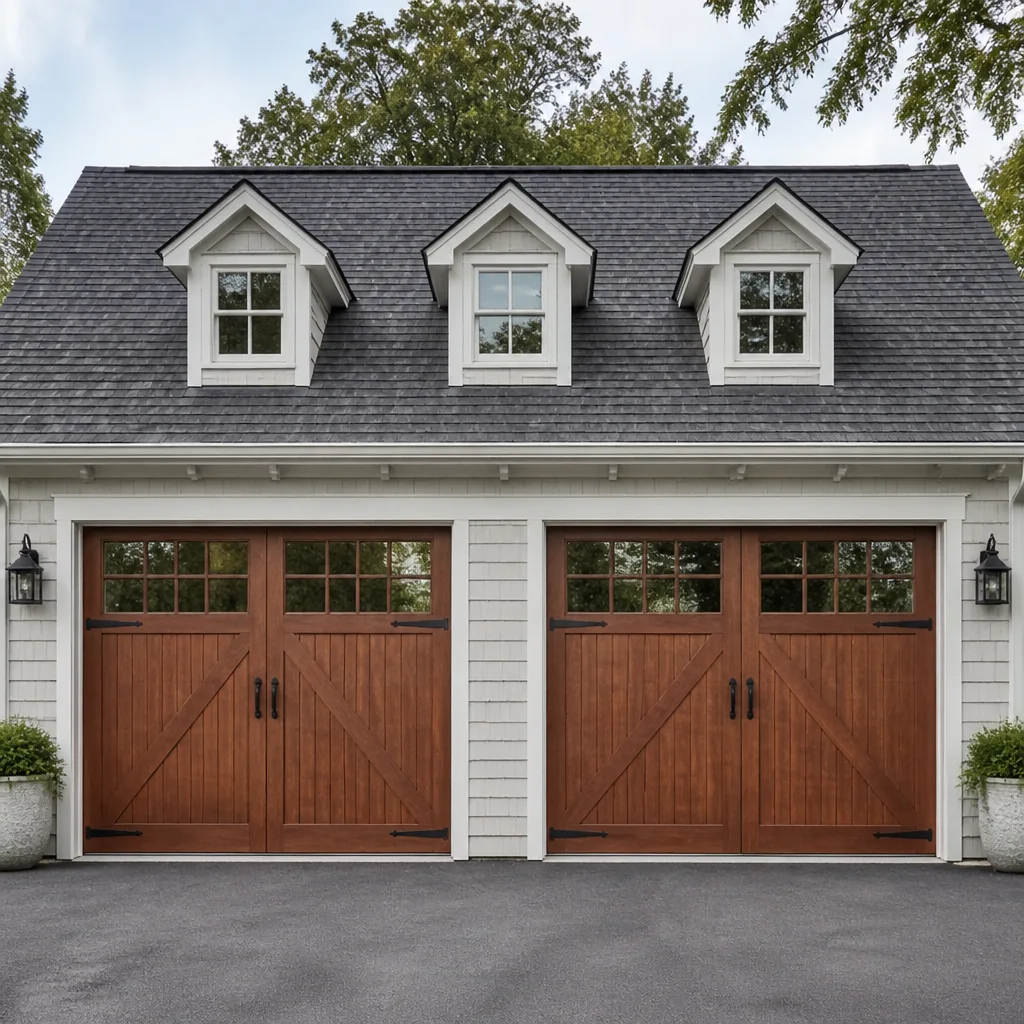 Carriage house
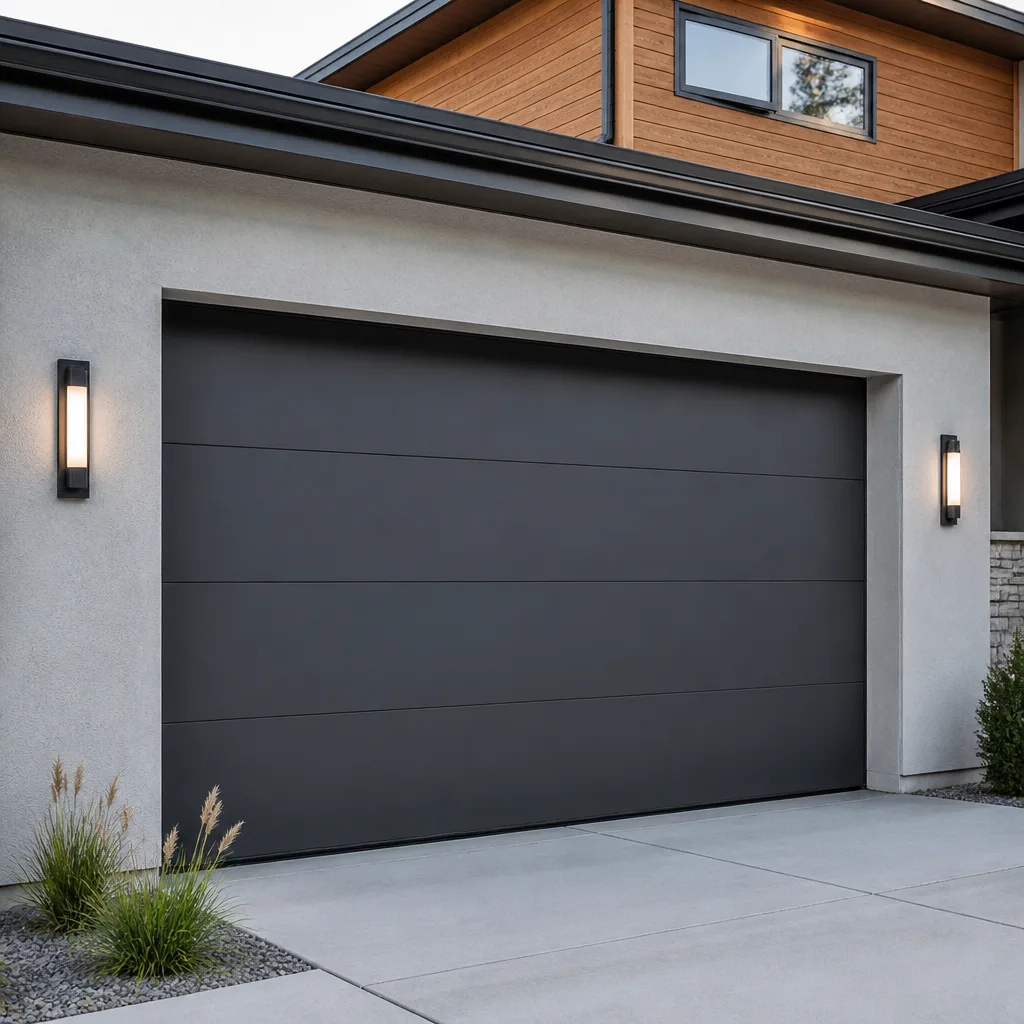 Modern flush
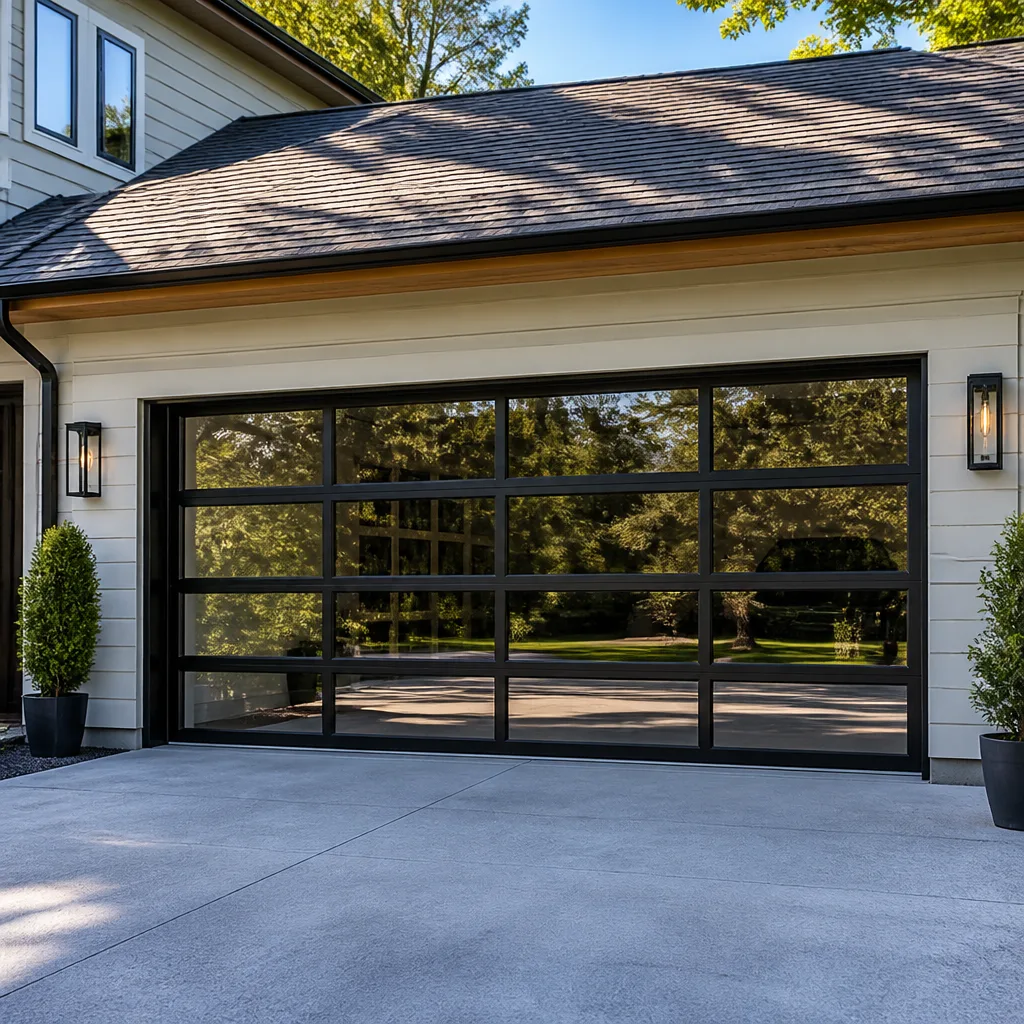 Full-view glass
 LiftMaster openers
 Chamberlain openers
Full 25-point door and opener safety check with every visit - springs, cables, rollers, tracks, and your LiftMaster or Chamberlain opener included
You get a price before we start. It does not change when the pro arrives.
Get your free estimateSeasonal Garage Door Care for Homestead: Year-Round Homeowner’s Guide
Telling a Homestead homeowner to winterize their garage door in October is useless advice. October is the tail end of hurricane season, not the start of cold weather, and what your door needs then is a post-storm inspection, not lubrication for freezing temperatures. Most seasonal checklists online were written for Chicago or Denver. Homestead’s calendar looks different: a dry season, a hurricane season, two rough transition months, and an ocean of humidity in between. In this guide, we map garage door care to the climate Homestead actually has. You’ll learn the pre-hurricane checks that matter in May, what heat does to your door in July and August, how to inspect after a named storm, and why the driest months are the smartest time to book real service.
Quick Answer
Garage door care in Homestead works around a tropical calendar, not four traditional seasons. Inspect wind hardware and test the emergency release in May before hurricane season, watch balance and opener strain in the July and August heat, do a deliberate post-storm inspection after any named system, and schedule cable, spring, and cosmetic work in the December-to-March dry window. Year-round, protect against UV damage and humidity-driven rust.
Styles & brands we work with
- Raised-panel steel
- Carriage house
- Modern flush
- Full-view glass
- LiftMaster openers
- Chamberlain openers
Table of Contents
- The Real Homestead Season Map
- Pre-Hurricane Season Checklist (May)
- Mid-Summer Care: Heat, Humidity, and Balance
- Post-Storm Inspection Protocol
- The Dry Season Maintenance Window
- Year-Round Constants in Homestead’s Climate
- What Homestead Homeowners Shouldn’t Do Themselves
- How to Book Seasonal Service in Homestead
The Real Homestead Season Map
Most homeowners think in spring, summer, fall, and winter. If you own a garage door in Homestead, thinking that way will leave you doing the wrong task in the wrong month. The climate here doesn’t cooperate with a spring-and-fall maintenance plan.
Here’s the working calendar we use in our heads when we think about a door on an average Homestead home:
- May through November: Hurricane season. The door has to be mechanically sound, hardware tight, and manual operation verified before the first serious system rolls through.
- July and August: Peak heat. Metal expands, lubricant thins out faster, opener motors work harder, and humidity eats anything that isn’t protected.
- September and October: Storm tail. These two months often carry the worst post-storm debris, wind-blown grit in tracks, and the “I should have checked it in May” realizations.
- December through March: The dry window. This is when the air actually cooperates with real mechanical work like cable servicing and spring inspection.
Notice what’s missing. There is no “winterize” month. There is no freeze-thaw checklist. Homestead’s seasonal care is really about wind, heat, humidity, and one narrow stretch of comfortable working weather in the dry months. If you use a Northern checklist, you’ll spend October greasing a door that needed a wind-hardware inspection back in May.
The rest of this guide walks through each part of that calendar in the order the year actually arrives. You’ll also see where a quick inspection beats a full service call, and where the tools in your own garage have no business being near your door. If you’d rather skip the reading and talk to someone who knows the climate, Homestead Garage Door Repair Co is a phone call away.
Pre-Hurricane Season Checklist (May)
The single most useful month for garage door attention in Homestead is May, right before the season opens. By June, you’re reacting to whatever the weather is doing. In May, you get ahead of it.
Work through this in order. The full pass takes most homeowners under an hour, and it will catch the problems that show up as real damage when the first storm passes through.
- Inspect wind-related hardware visually. Open the door and look at the hinges, roller brackets, and any horizontal or vertical reinforcement. Anything loose, cracked, or showing heavy rust needs attention before winds arrive. Tighten what’s obvious and note what isn’t.
- Check the bottom seal. A worn or torn bottom seal lets wind-driven rain and grit into the garage. Run your hand along the bottom edge when the door is fully closed. Cracks, hard spots, or separation from the door mean it needs replacing, and the dry months are ideal for that.
- Test the emergency release. Pull the red handle to disconnect the door from the opener. Lift the door by hand. Does it open smoothly and stay where you leave it? If it drops or binds, the door balance or springs are suspect. Reconnect only after you’re confident it’s safe.
- Test manual operation. With the opener disengaged, close and open the door by hand. Listen for grinding, scraping, or jerky movement. Quiet, steady travel is what you want. Anything else means the door is loading up the motor, which is a nice way to burn out an opener right when you don’t want one to fail.
- Clear the tracks. Debris in the tracks is the number one cause of “my door is stuck” calls after a storm. Vacuum or wipe them out, and don’t add grease to a track that just needs to be clean.
If anything on that list makes you uneasy, especially the emergency release and manual operation steps, that’s the point where a trained technician should look at it. The springs at the top of the door are under extreme tension, and they’re not a homeowner-adjustable component. For a dedicated service call, see our guide to garage door spring repair.
Mid-Summer Care: Heat, Humidity, and Balance
July and August are the most physically demanding months for a garage door in Homestead. The door face on a south- or west-facing garage gets a long, intense sun exposure all afternoon. The metal expands, the panels stretch slightly, and the balance you relied on in spring can shift.
What actually changes in the heat:
- Door balance drifts. As panels expand, the door becomes heavier in one spot and lighter in another. That imbalance loads the springs on one side and the opener motor on the other. You’ll notice it as a door that closes a little differently, or a bottom seal that stops touching the floor evenly.
- Opener strain goes up. An opener that was fine in March might start sounding labored in August. LiftMaster, Chamberlain, and Genie openers all run hotter in an unshaded garage, and heat shortens the life of any motor that’s working harder than it should.
- Lubricant thins and runs. High heat and humidity make most lubricants run off the moving parts faster. Rollers, hinges, and springs need a reapplication more often in a Homestead July than in a cooler climate.
- Humidity accelerates rust. Every unpainted edge, every scuffed hinge, every roller bracket is a rust candidate when the relative humidity stays high for weeks. A quick visual scan of hardware is worth doing once a month in summer.
Balance is where homeowners most often get it wrong. Feeling a door that no longer stays open halfway is a sign of a balance issue, and the fix isn’t to shim the opener or bend a track. It’s usually a spring or hardware issue that needs a proper look. If your door is fighting its motor in the heat, look at both the door and the garage door opener repair side before replacing anything. Sometimes the door is the problem and the opener is the victim.
Post-Storm Inspection Protocol
After a named storm or a severe squall passes through Homestead, do a walk-around even if the door looks fine. Storm damage to garage doors is often cosmetic until it isn’t: a bracket that’s been nudged out of true, a roller that’s picked up wind-blown grit, a bottom seal that’s folded back and never quite sat right again. Catching those early is much cheaper than catching them next season.
Here’s the protocol, in order:
- Look at the door from outside, closed. Check for panels that are skewed, dented, or sitting proud of their neighbors. Panels that don’t line up are usually pointing to a bent track or hinge.
- Look at the door from inside, open. Are the rollers seated in the tracks? Any brackets lifted or loosened? Any new rust or moisture in the hardware?
- Operate the door once, slowly. Listen. A post-storm door should sound like it did before the storm. Grinding, scraping, or a new thump is a reason to stop using the opener until it’s inspected.
- Check the bottom seal and threshold. Debris and water intrusion often wedge grit under the seal. Clear it, look for tears, and confirm the seal still touches the floor when the door is closed.
- Test manual operation once more. Same test as May: disengage the opener, lift the door by hand, confirm it opens smoothly and stays put.
If anything fails, don’t run the door repeatedly trying to diagnose it. A compromised track or hinge can damage panels if the door keeps moving under motor power. It’s the same on any brand we see in Homestead, from Raynor to the more common LiftMaster and Chamberlain setups on newer homes. When something looks off after a storm, book the inspection. For anything that involves wind-damaged tracks or panels, that falls under general garage door repair.
The Dry Season Maintenance Window
The December-to-March stretch is the best time of year in Homestead to do real garage door work. Not because the door is failing, but because the conditions are right. Cables, springs, and painted or cosmetically finished surfaces all behave better when they’re not fighting high humidity. Technicians can adjust a door, check the balance cleanly, and know that the adjustment will hold.
What actually makes sense in the dry window:
- Cable servicing. Cables under the door are the safety-critical link between the springs and the door. Any fraying, kinking, or rust at the drum deserves a professional look, and the dry season is when the door’s behavior is most predictable.
- Spring assessment. Springs don’t improve with age. They’re the highest-tension component on the whole system, and they need a trained eye. The dry window is when an inspection is easiest to schedule and easiest to get right.
- Cosmetic upkeep. Touch-up paint, seal replacement, and cleaning up light surface rust all work best when the wood or metal is dry. Paint applied in humid months can fail early.
- Roller and hinge replacement. Worn rollers and hinges are cheap to replace, and quiet operation in the dry months makes it much easier to hear whether anything else is contributing.
If your door has been making noise since summer and you’ve just been waiting it out, the dry window is the time. The conditions are on your side, the schedule is easier, and the door will tell you more about what it actually needs.
Year-Round Constants in Homestead’s Climate
Some parts of garage door care in Homestead don’t belong to any one season. They’re year-round constants because the climate itself is a constant. These are the three that matter most.
UV protection
South Florida sunlight fades paint, cracks seals, and shortens the life of plastic and rubber parts. The bottom seal is the most UV-exposed piece on a typical door, and it’s also the one that lets wind-driven rain past if it fails. Check it a few times a year, not just in the spring. Panels on a sun-facing garage fade faster than ones in shade, so paint and finish upkeep on those panels is worth prioritizing.
Humidity-driven rust monitoring
Rust is slow and quiet in a humid climate, until a hinge you would have replaced for a few dollars has seized and started wearing the panel around it. Once a month through the summer, walk the door with a flashlight and look at the rollers, brackets, hinges, and any exposed fasteners. A little touch-up of paint on exposed metal goes a long way.
Opener ventilation
Garages in Homestead get hot. An opener motor that can’t breathe runs hotter and ages faster. Make sure the opener housing isn’t buried under stored boxes or covered in debris, and that the ceiling area around it isn’t packed tight. If your opener is running hotter than it used to and sounding strained, get it looked at before it fails at an inconvenient moment. Our garage door opener repair service handles Genie, LiftMaster, Chamberlain, and just about everything else you’ll find on a Homestead home.
What Homestead Homeowners Shouldn’t Do Themselves
Most of the seasonal checklist above is safe homeowner activity: visual inspections, cleaning, testing, and keeping an eye on the door. Some of it isn’t, and we’d rather say so plainly than leave it as a footnote.
- Don’t touch the springs. The springs at the top of a garage door hold the entire weight of the door. They’re under extreme tension, and a spring that lets go can cause serious injury. That risk doesn’t change with the season and it doesn’t matter how mechanical you are. Springs are a professional job, full stop.
- Don’t adjust the cables. Cables carry the door’s weight alongside the springs. A cable under tension that lets go is just as dangerous. Visual inspection only.
- Don’t loosen the bottom bracket. The bottom bracket holds the cable. It’s the last place a homeowner should have a wrench.
- Don’t adjust the opener force settings to “fix” a heavy door. If the door feels heavy, the door is the problem. Increasing opener force masks the problem and damages the motor.
- Don’t climb onto a ladder in the heat of the day. Mid-summer in Homestead is a bad time to be on a ladder. If a repair needs height, book it or wait for cooler hours in the dry months.
Everything else in this guide – cleaning tracks, checking the bottom seal, testing manual operation, clearing debris after a storm – is well within reach. The moment anything involves load, tension, or being on a ladder, that’s where we step in.
Common Mistakes to Avoid
- Applying a Northern winter checklist to a Homestead door. Greasing hinges for freezing temps in October is wasted effort when what your door actually needs is a post-storm inspection. The seasons here don’t map to the national advice.
- Waiting until the first storm warning to check hardware. By the time the warning comes, there’s no time to fix a loose bracket or replace a worn seal. May is the month to check; June through November is the time to hope you did.
- Ignoring the door in the summer heat. Heat-driven balance drift is subtle and load builds up on the opener slowly. A door that starts sounding strained in July will usually fail in the fall if the balance isn’t adjusted.
- Running the door after a storm “to see if it still works.” If a track or hinge was disturbed, running it repeatedly can bend a panel. Inspect first, operate once, and stop if it sounds wrong.
- Letting the summer month pass without a rust check. Rust on a hinge is a small fix. Rust that spreads to the surrounding panel is a much larger one, especially on the humid stretches Homestead gets.
- Confusing a heavy door with a failing opener. If the door feels heavy, the opener force setting is not the fix. The springs and balance are the cause, and addressing the opener will only give you a second repair bill.
- Assuming the door is fine because the opener still lifts it. The opener can drag a compromised door along for months before something fails. Visual checks and manual tests catch problems the motor hides.
See the difference
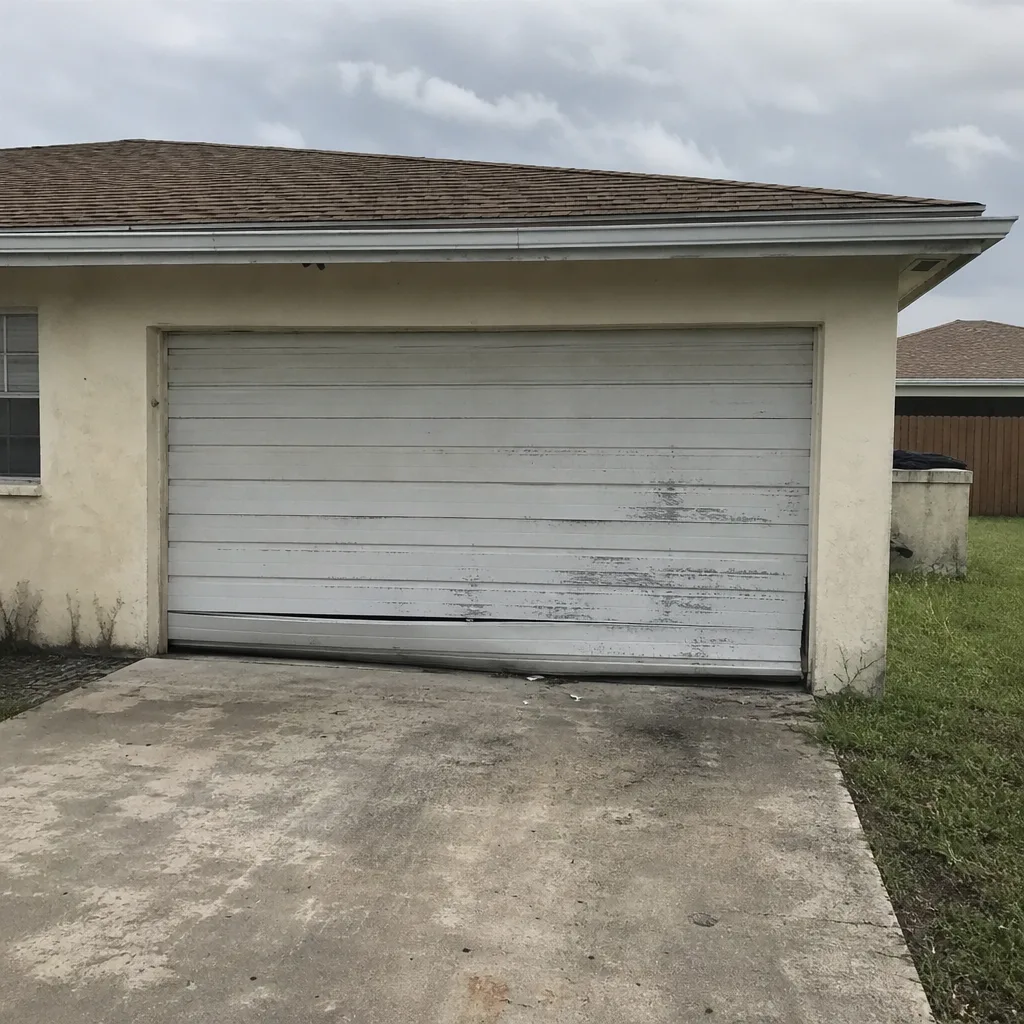 Before
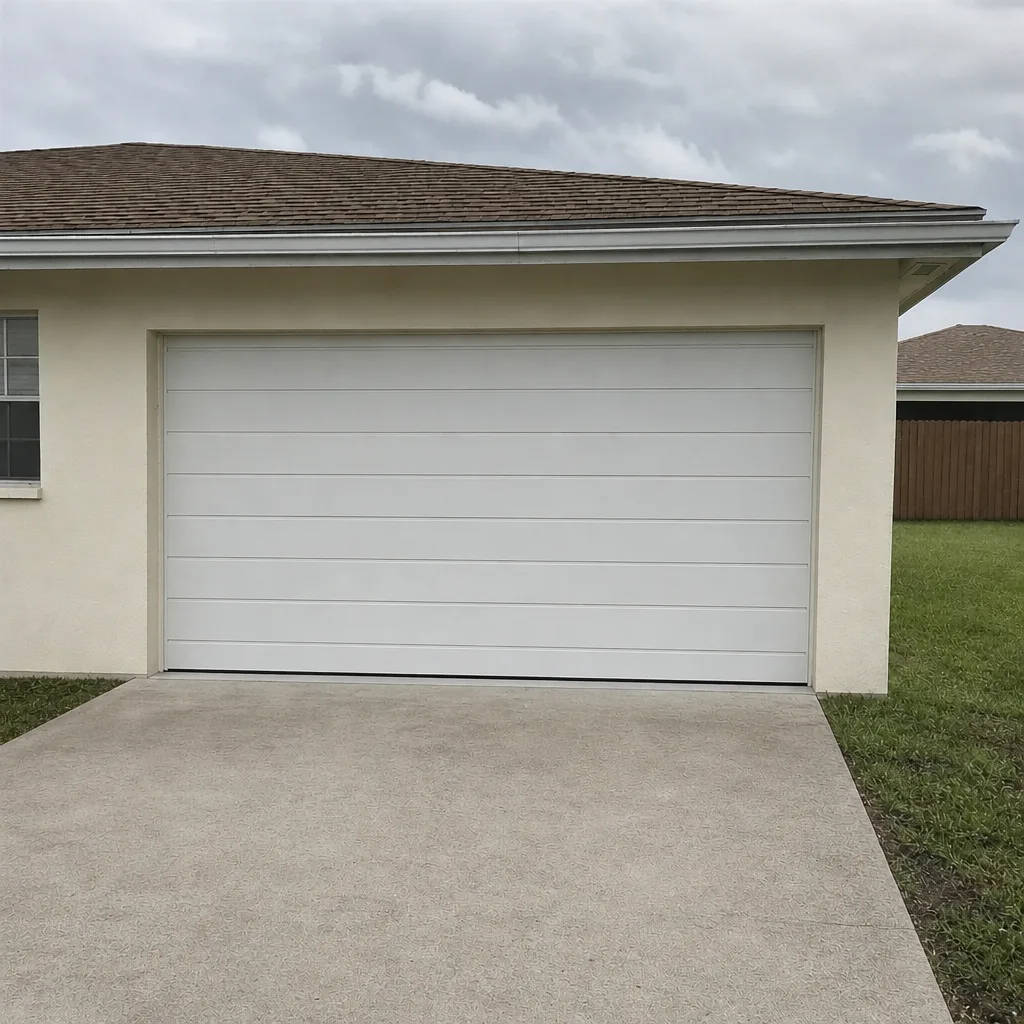 After
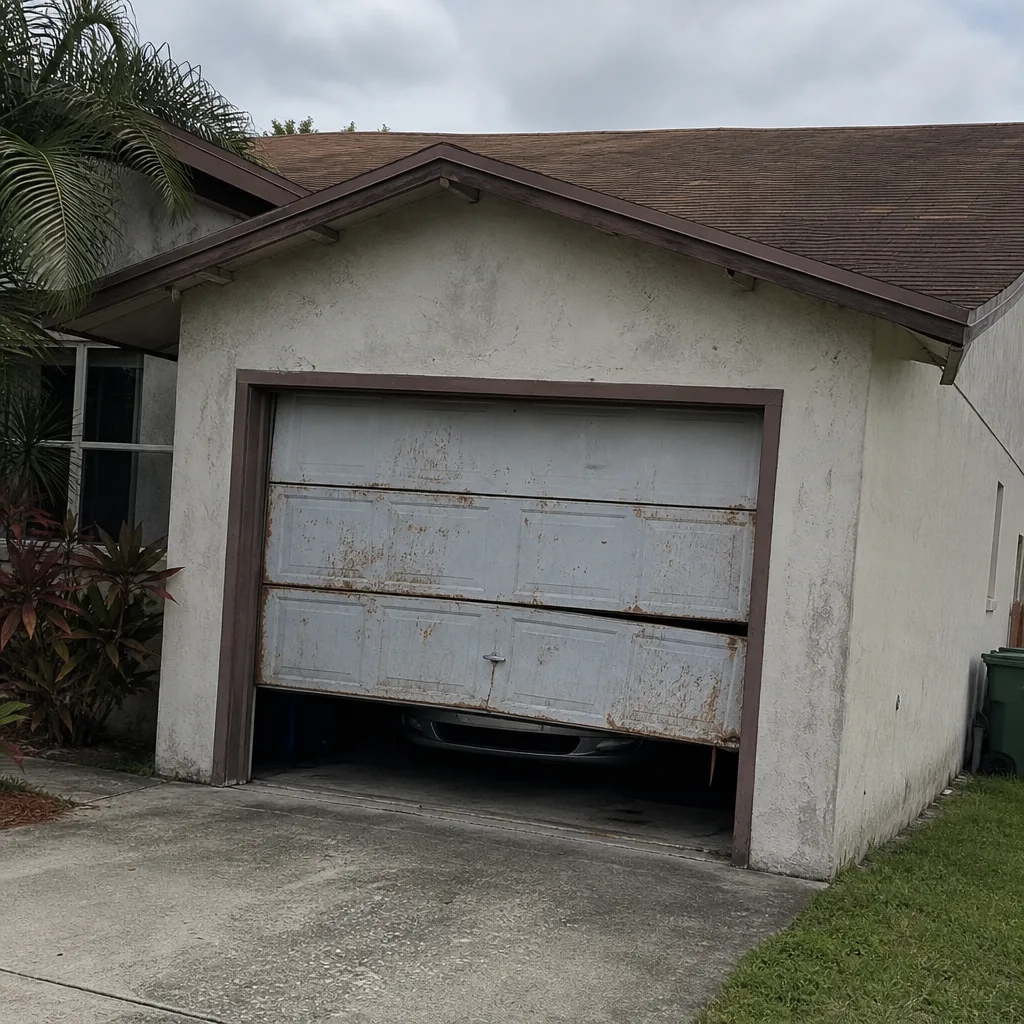 Before
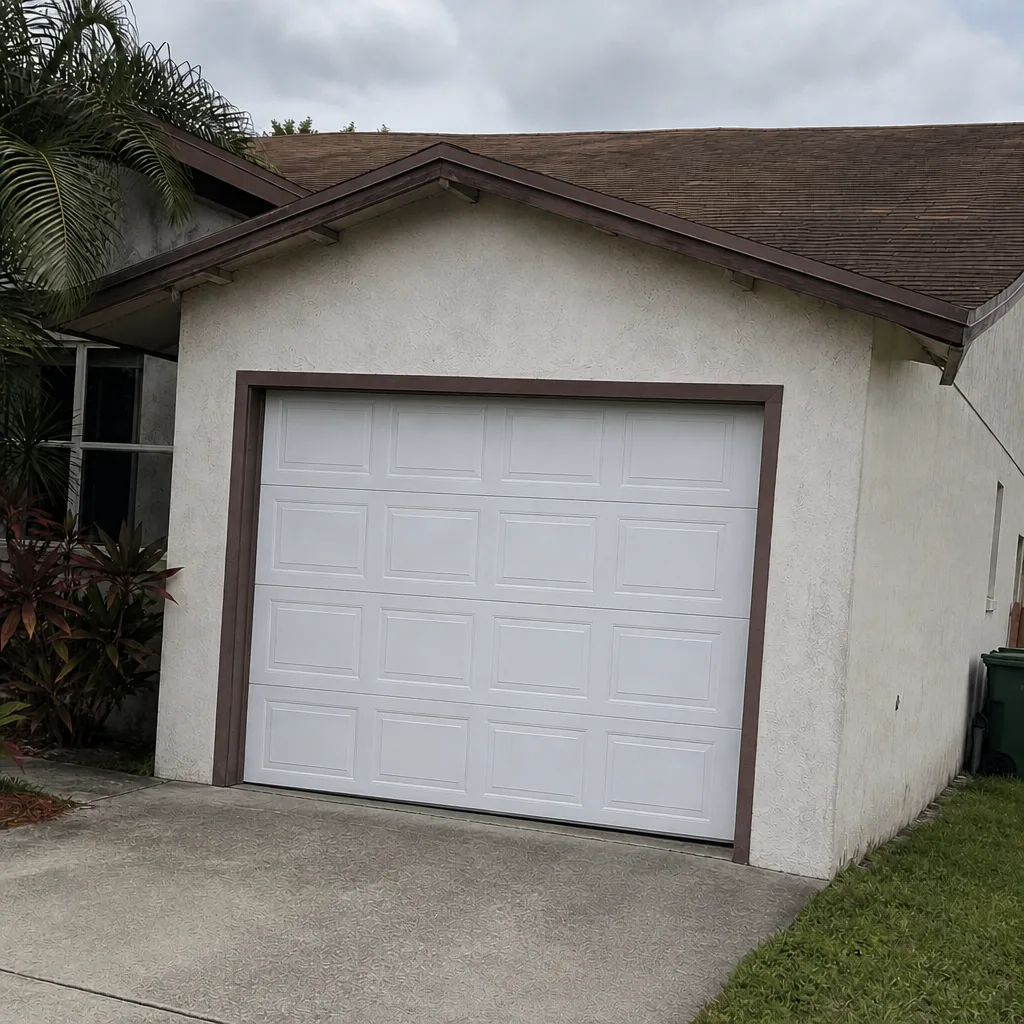 After
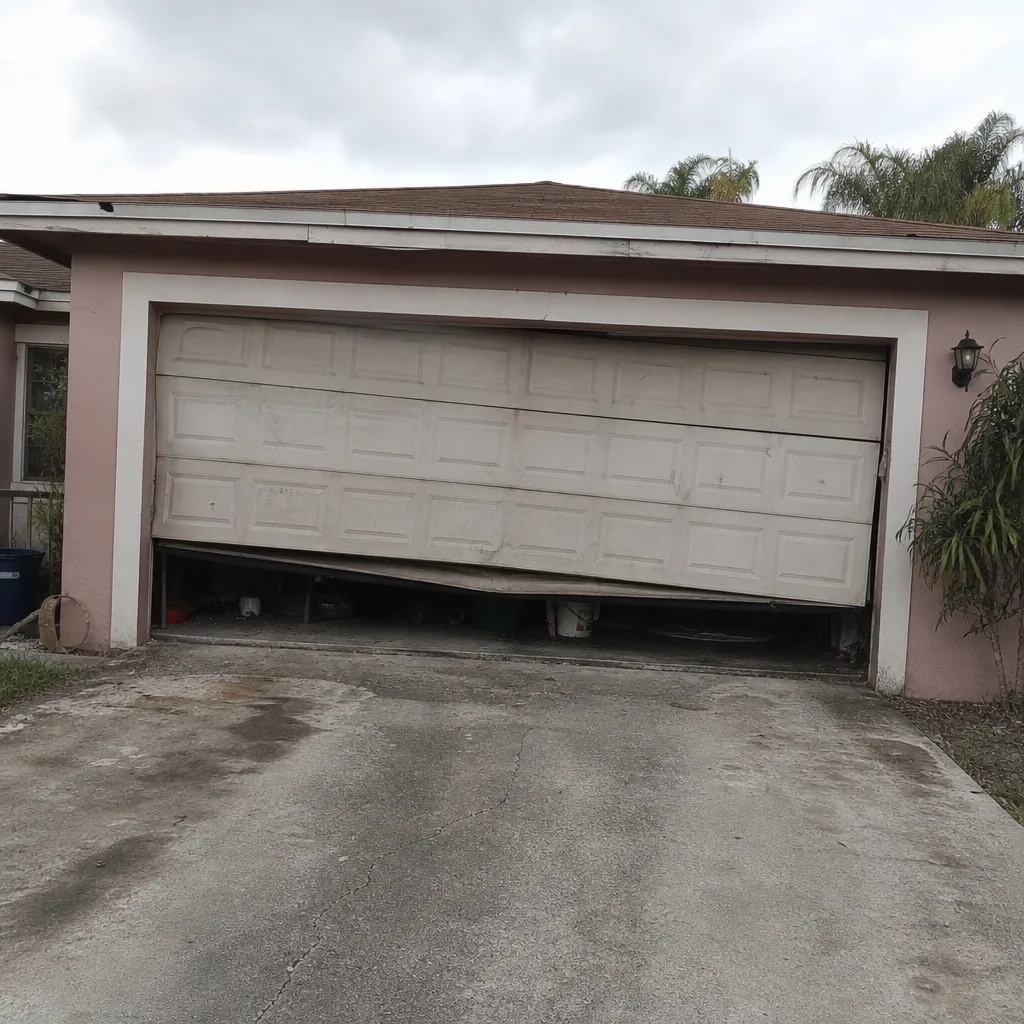 Before
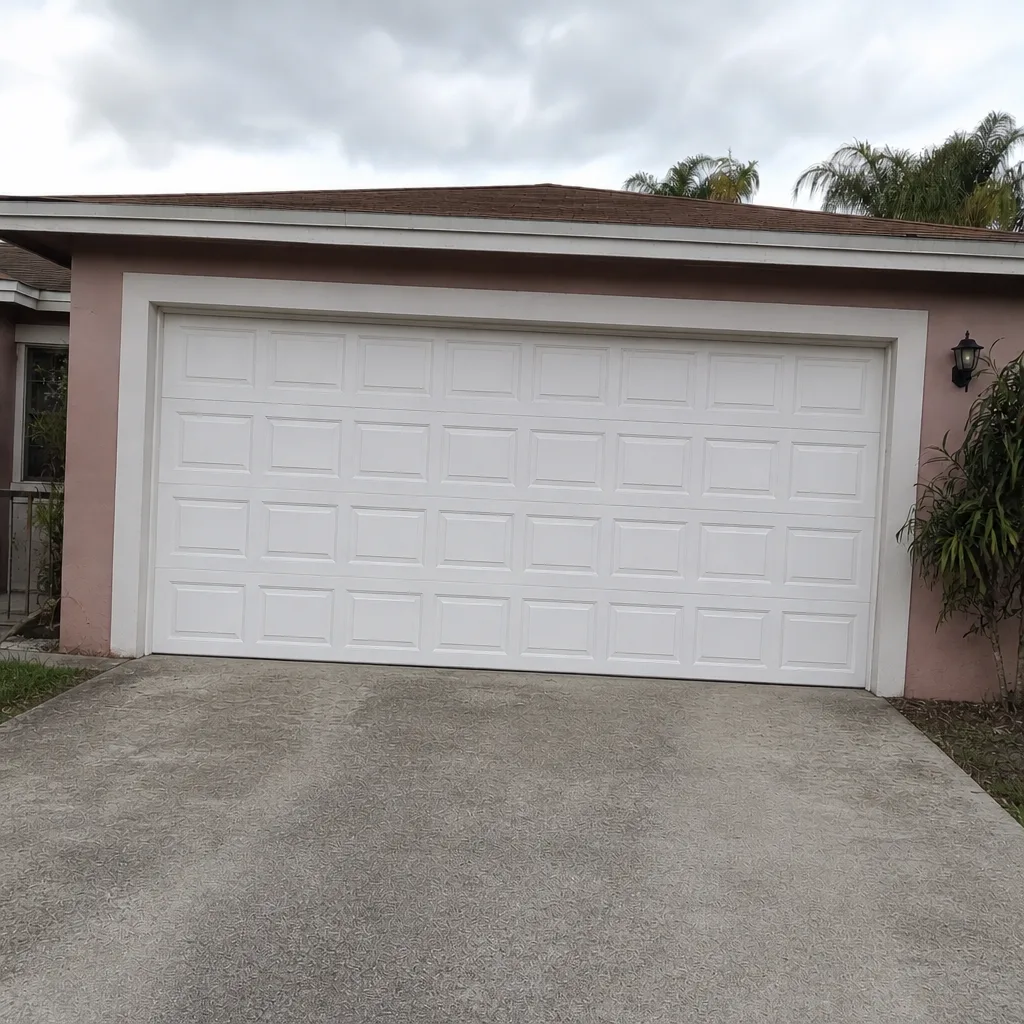 After
When to Call a Professional
Some seasonal care is yours to do. Some of it needs a trained eye, and knowing the difference keeps you and your door safe. Call a professional if any of the following come up: a door that no longer stays open halfway (spring or balance issue), a broken spring (stop using the opener immediately), a door that sounds strained in summer heat and hasn’t improved after a proper manual test, visible cable fraying or kinking, a track that’s been bent or disturbed by a storm, or anything that failed during the post-storm protocol. Call us too if you simply want a seasonal inspection rather than diagnose something yourself. Homestead Garage Door Repair Co offers free estimates in Homestead – call (866) 680-1175.
Frequently Asked Questions
The dry season, roughly December through March, is the best window for real service like cable work, spring inspection, and cosmetic repairs. Humidity is lower, the door behaves more predictably, and adjustments hold. That said, anything safety-related (a broken spring, fraying cable, or wind-damaged track) should be handled immediately, regardless of season.
A visual scan of hinges, rollers, brackets, and the bottom seal once a month through the summer, plus a full May check before hurricane season and a post-storm protocol after any named system. That’s a practical year-round schedule. Our technicians have up to 14 years of experience and can walk you through what to look at during a free estimate call.
Yes. Heat causes the metal to expand, which shifts the door’s balance, loads the springs unevenly, and makes the opener work harder. You’ll notice it as a door that closes a little differently or sounds strained. If a balanced door in spring starts to feel heavy in August, the door needs a look before the opener takes the damage.
Yes, a walk-around is worth it even when the door looks undamaged. Wind and debris often nudge brackets, push grit into tracks, or fold the bottom seal in ways you can’t see from the driveway. The post-storm protocol above covers what to check in under ten minutes. If anything fails, stop operating the door and call for a look.
Yes, moving parts benefit from reapplication more often here than in cooler climates because heat and humidity thin and displace lubricant. Rollers, hinges, and springs all need attention. Springs and cables themselves should still be serviced by a trained professional: we handle that as part of a dedicated spring repair service, not a homeowner task, for obvious safety reasons.
Every local professional we connect you with is licensed and insured as their state requires, and we work with your insurer where that’s part of the job. Call (866) 680-1175 for an exact quote; estimates are free.
The Bottom Line
Garage door care in Homestead is not a two-season checklist; it’s a wind, heat, and humidity calendar. May is for pre-hurricane hardware checks and testing the emergency release. July and August are for watching balance and opener strain. Every named storm gets a post-storm inspection even if the door looks fine. December through March is the smart window for real mechanical service and cosmetic upkeep. Year-round, guard against UV, check for rust, keep the opener breathing. Do the safe checks yourself; let a trained professional handle springs, cables, and anything under tension. If the year has gotten away from you, or you’d rather have a specialist walk the door once before the season, that’s what we’re here for.
How to Book Seasonal Service in Homestead
Booking seasonal care doesn’t need to be complicated. Call us at (866) 680-1175 to talk through what your door has been doing this season, get a free estimate, and schedule the work when it makes sense. We’re a phone call away whether the door is fine and just due for a look, making a new noise, or has stopped moving altogether. When the door won’t move, we do. And when it’s moving fine and you want to keep it that way, we can help with that too.
The price for any job is quoted and agreed before work starts, so you know what you’re paying before anyone touches the door. If you want the written number in hand, call and we’ll set up a time.
For emergency situations where the door is trapping a car or leaving the garage exposed, we offer emergency service. For routine seasonal checks, we book those around your schedule.
Either way, the first step is the same: pick up the phone and tell us what your Homestead garage door is doing. That’s a conversation, not a sales pitch, and it costs nothing to have it. We work on your brand – Raynor, LiftMaster, Chamberlain, Genie, and others – so there’s no guesswork or brand excuse.
Written by the team at Homestead Garage Door Repair Co.