Last updated November 22, 2026
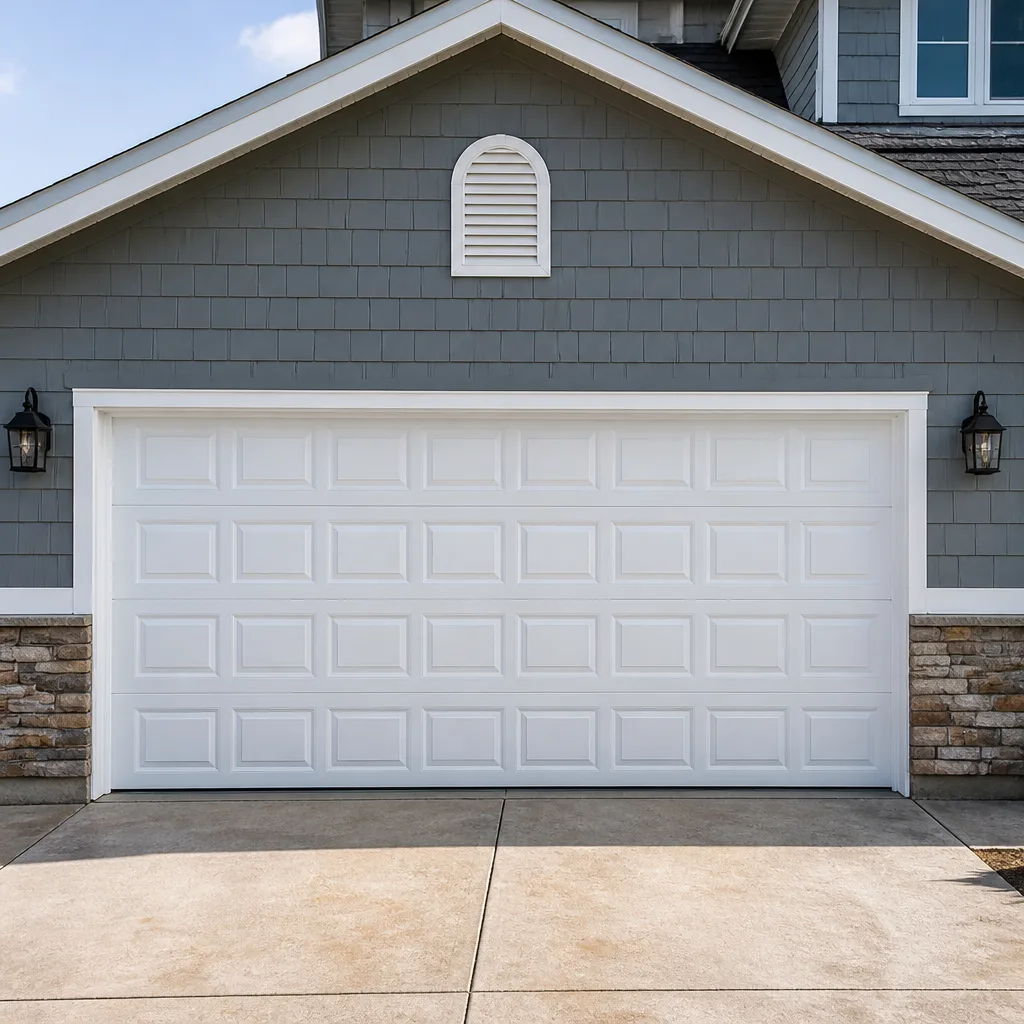 Raised-panel steel
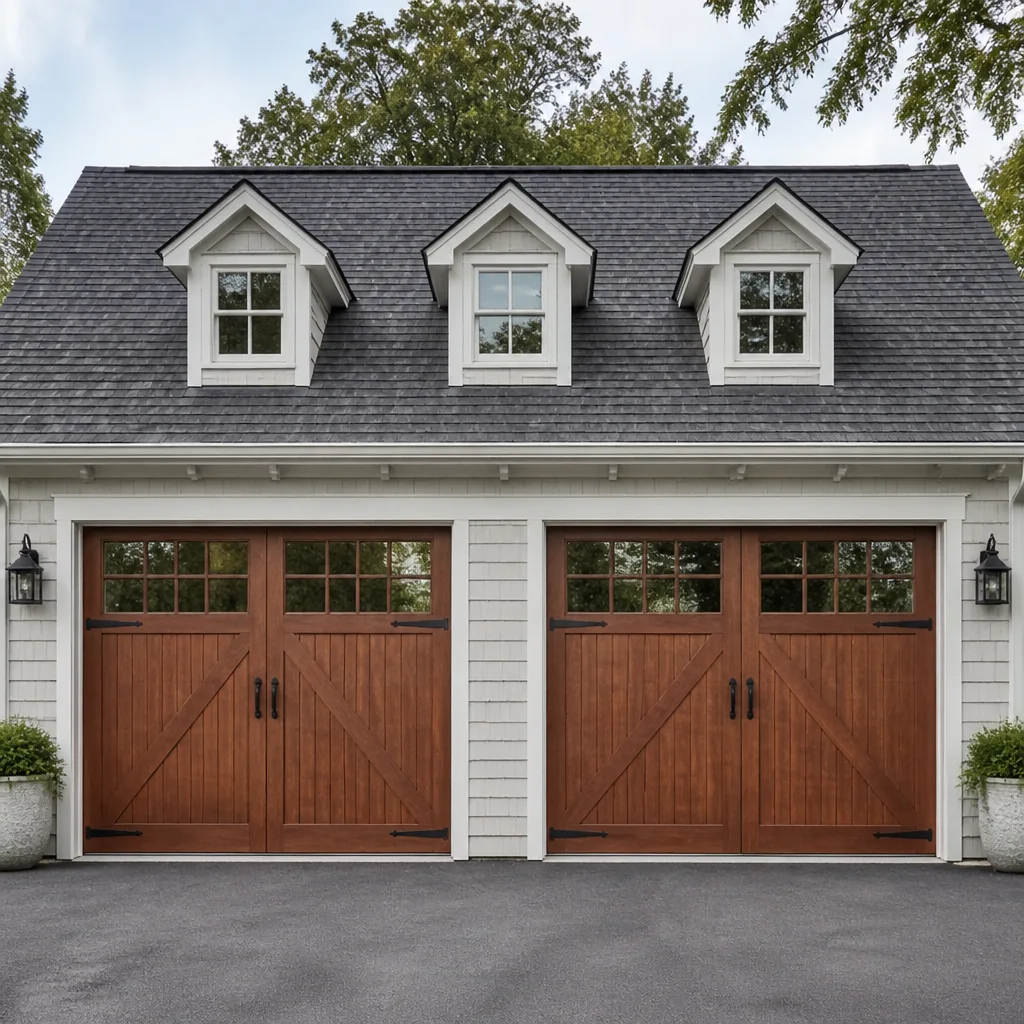 Carriage house
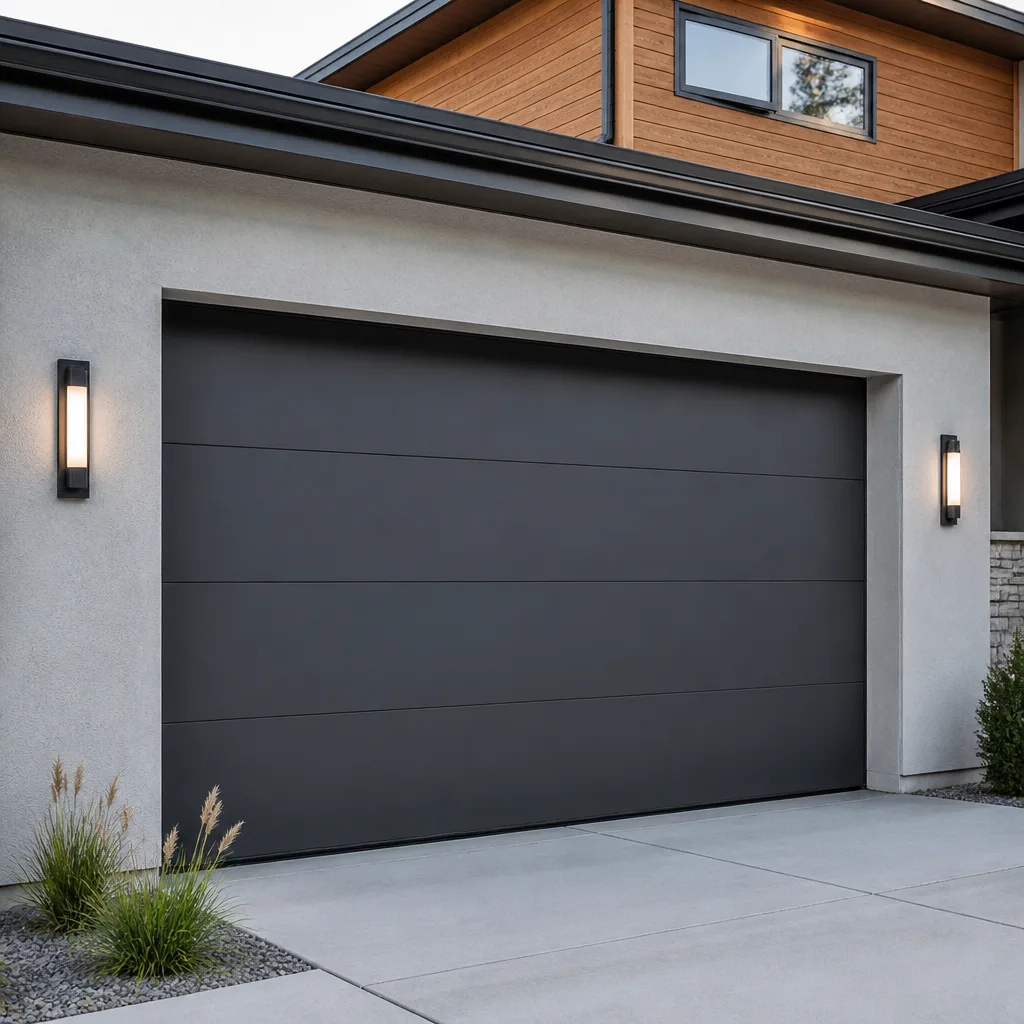 Modern flush
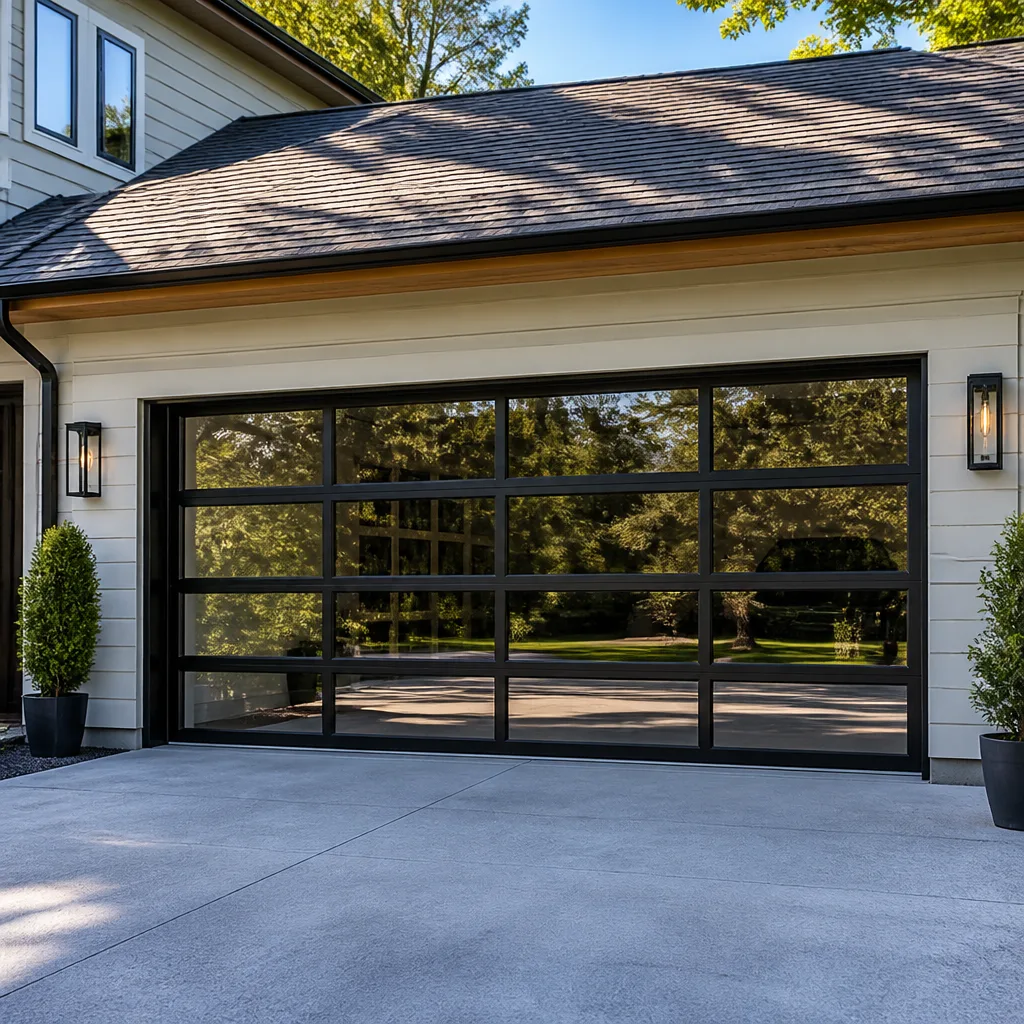 Full-view glass
 LiftMaster openers
 Chamberlain openers
Full 25-point door and opener safety check with every visit - springs, cables, rollers, tracks, and your LiftMaster or Chamberlain opener included
You get a price before we start. It does not change when the pro arrives.
Get your free estimateThe Complete Guide to Garage Doors in Homestead
Most garage door guides are written for Ohio. They talk about ice dams, road salt, and the deep freeze that cracks a steel panel by February. Homestead doesn’t work that way. Here in South Florida, a garage door fights a different set of enemies: wind loads that push a door to its structural limit, humidity that stays high enough to rust hardware you’d expect to last years, and building codes that treat a garage door as part of the hurricane envelope rather than a decorative panel on the front of a house. A door that would be perfectly fine in a cooler, calmer climate can fail in Homestead in ways a generic guide never mentions.
This guide treats the local environment as the main variable, not an afterthought. We’ll cover how Miami-Dade product approval shapes every purchase, which materials actually hold up in Homestead humidity, why wind-rated doors aren’t optional here, what opener specs matter for Florida heat and power dips, and how to read a door label so you can tell a real wind-rated unit from a marketing claim. You’ll also get a plain-spoken look at springs, maintenance, and when repair beats replacement.
Quick Answer
A garage door in Homestead needs to be wind-rated for the local wind zone and backed by a Miami-Dade product approval, made from materials suited to high humidity, and paired with an opener built for heat and voltage dips. Steel and fiberglass handle the climate best; standard aluminum is lighter but more corrosion-prone near the coast. Any door you buy should carry a label you can actually read and verify, not just a “hurricane resistant” badge on a website.
Styles & brands we work with
- Raised-panel steel
- Carriage house
- Modern flush
- Full-view glass
- LiftMaster openers
- Chamberlain openers
Table of Contents
- How Miami-Dade NOA Approval Affects Every Door Purchase in Homestead
- Steel vs. Aluminum vs. Fiberglass: Material Performance in the Homestead Climate
- Why Wind-Rated Doors Aren’t Optional in Homestead
- Choosing an Opener for Florida Heat and Power Fluctuations
- How to Read a Garage Door Label and Verify the Wind Rating
- Springs, Tracks, and the Parts That Wear Fastest in Homestead
- A Homestead Maintenance Routine That Actually Prevents Breakdowns
- Repair or Replace? How to Decide
How Miami-Dade NOA Approval Affects Every Door Purchase in Homestead
In Miami-Dade County, a product approval called a Notice of Acceptance, or NOA, controls whether a garage door can legally go on a building within the county’s high-velocity hurricane zone. If you’re buying a new door in Homestead, the door and its associated components need to be covered by a valid NOA (or an equivalent state approval recognized by the county). This is the single biggest thing most buying guides skip, and it’s the first thing we check when a homeowner calls about a replacement.
What NOA approval actually means for you:
- The whole system is approved, not just the panel. A NOA covers a specific door model, its reinforcement, its track and anchor configuration, and the installation method. Installing an approved door the wrong way can void the approval.
- You need the documentation before installation. A reputable installer provides the NOA number and the manufacturer’s installation instructions so it’s on record for inspection and insurance.
- Wind-zone requirements vary by exposure. Homestead sits in a demanding wind zone, but the exact requirement depends on the building’s exposure category, height, and construction. This is why two neighbors can need different specs for what looks like the same house.
Here’s the practical part. When a homeowner asks us about a new door in Homestead, we confirm the required design pressure for the specific address and match it to products that carry the paperwork. If a door is marketed as hurricane-rated but no NOA exists for that model and installation detail, it doesn’t count. Ask for the number. A legitimate seller won’t hesitate. When in doubt, your city or county building department can confirm what’s on file.
Because this approval process is so central to a Homestead door purchase, it’s worth understanding before you call anyone. If you’re planning an upgrade, our guide to garage door installation walks through how the paperwork and measuring fit together.
Steel vs. Aluminum vs. Fiberglass: Material Performance in the Homestead Climate
Material choice matters more in a place with year-round humidity and coastal exposure than in a dry or temperate climate. The three common options each react differently to Homestead conditions, and the right pick depends on where you live and how much wind protection you need.
Steel
Steel is the workhorse. It’s strong, takes wind-rated reinforcement well, and holds a finish longer than people expect. The catch is what happens at the edges and cut points: any bare steel exposed to humidity starts to rust faster than it would inland. Quality doors are galvanized or have a factory finish that covers the vulnerable spots. In Homestead humidity, the biggest steel risks are pinched corners, scratched paint, and neglected hinges, not the panel face itself.
Aluminum
Aluminum is lighter and doesn’t rust in the same way steel does, but it dents more easily and can pit under constant moisture exposure, especially near saltwater air. Modern aluminum doors with a good finish do fine, and full-view aluminum-and-glass designs are popular in South Florida for their look. They’re a reasonable choice if weight and appearance are top priorities and you keep up with maintenance.
Fiberglass
Fiberglass resists moisture and doesn’t corrode, which makes it a sensible fit for a wet climate. It’s lighter than steel and generally quieter in operation. Over time, cheaper fiberglass can fade or chalk in strong sun, and it needs the right reinforcement to satisfy a wind rating. When spec’d correctly, fiberglass handles Homestead humidity without the corrosion concerns that come with metal hardware.
Our short version: for most Homestead homes, a reinforced steel door with a factory finish and stainless or coated hardware is the dependable baseline. Aluminum and fiberglass both work when they’re paired with the right frame, track, and fasteners. What breaks a door here isn’t the panel material so much as the hardware that holds it together. Coated, stainless, or otherwise corrosion-resistant fasteners and hinges make far more difference than the brochure photo.
Why Wind-Rated Doors Aren’t Optional in Homestead
In Homestead, a garage door isn’t just the biggest opening in the house. Under wind pressure, it’s the most likely point of failure. A standard non-rated door can buckle, pull out of its tracks, or blow inward, and once the garage envelope opens, wind pressure moves into the home in a way the rest of the structure wasn’t designed to resist. That’s why the codes here treat these doors as part of the building’s protective system, and why lenders, insurers, and inspectors take them seriously.
Wind-rated doors cost more than standard ones, but the gap is smaller than people expect when you’re already replacing a door. The premium is mostly in the reinforcement system and the tested hardware, not the panel itself.
A wind-rated installation generally includes:
- Reinforced panels rated to a specific design pressure.
- Heavy-duty track and hinges that hold under load instead of bending.
- Anchors and fasteners sized and spaced to the approval.
- A proper center reinforcement or strut where the spec requires it.
Reinforcement doesn’t end the wind question, though. A rated door that’s been hit by a car, or that’s running on bent tracks, isn’t protecting anything until it’s fixed. That’s a big part of why we treat garage door repair as the front line rather than the last resort: a small fix now keeps the door doing its structural job.
If you’re checking whether your existing door is doing its job, look for bent or bowed panels, screws pulling out of the reinforcement, tracks that are no longer straight, and any looseness in the hinges. These show up long before a door actually fails, and they’re worth addressing early in Homestead.
Choosing an Opener for Florida Heat and Power Fluctuations
A standard opener sold for a mild climate and an opener built for South Florida aren’t always the same animal. Homestead adds two stressors a generic guide ignores: sustained heat and humidity that stress the motor and control board, and the voltage dips and brief outages that come with summer storm season. Both shorten the life of an opener that wasn’t chosen with them in mind.
What to look for in a Homestead opener:
- Battery backup. When the power drops, a backup lets you open and close the door without pulling the manual release in the dark.
- A motor sized for a heavy, reinforced door. Wind-rated doors are heavier. An undersized opener works harder, heats up faster, and wears out sooner.
- Surge protection. A whole-home surge device or a properly rated outlet helps protect the control board from voltage spikes.
- Strong rolling-code security and modern connectivity. Brands like LiftMaster and Genie have made smart openers standard, which means fewer cut-and-try keypads and better control from inside the house.
The brand matters less than the match between the opener and the door. We work with LiftMaster, Chamberlain, Genie, and the other major systems, so we’re not going to push you toward a brand because it’s the one we sell. The question is whether the opener is rated for the weight of your door and whether it’s protected from the power conditions here. If your current opener is struggling, our garage door opener repair page explains the symptoms that point to a failing motor or board.
One more Homestead-specific note: humidity gets into older openers and can corrode the chain, belt, and circuit board connections over time. If the opener has been sitting in a humid garage for years, that’s worth factoring into any repair decision.
How to Read a Garage Door Label and Verify the Wind Rating
A lot of “hurricane resistant” marketing means very little until you check the actual label and paperwork. The label is the difference between a real wind-rated door and a nice-looking panel with a reassuring description. Here’s how to read one in Homestead terms.
- Find the manufacturer’s label or tag on the door. It’s usually on an interior panel. Note the model number.
- Match the model to its NOA or state approval. The approval document lists the specific model, reinforcement, and installation configuration covered.
- Check the design pressure rating. The rating is a number, not a word. Confirm it meets what your address requires.
- Look at the label’s installation notes. A rating is only valid when the door is installed as approved, with the specified anchors and spacing.
- Confirm the installer’s documentation. Ask for the approved instruction sheet and the NOA number in writing.
“Hurricane resistant” sounds definitive, but the label and paperwork are what actually matter. If a seller can’t point you to a model number and an approval document, the word on the brochure is doing all the work. A door can be a great product and still not be rated for the specific way your Homestead home needs it installed. We check the label and the paperwork before we recommend or install anything, because a door that fails an inspection costs far more than the difference between two models.
When we assess a door for a Homestead homeowner, we read the label the same way an inspector would. That’s part of why customers call a specialist rather than a general handyman: the paperwork side of the job is half the work.
Springs, Tracks, and the Parts That Wear Fastest in Homestead
Springs do the heavy lifting on every door, and they’re the most dangerous component on the whole system. Torsion springs store enormous energy, and a spring that’s about to fail often gives no obvious warning. That’s why we never walk a homeowner through a do-it-yourself spring replacement. The risk of serious injury is real, and it isn’t worth taking on. What you can do is understand how springs behave in this climate and recognize the signs that it’s time to call a trained technician.
In Homestead, humidity and frequent cycling both shorten spring life. A door that opens and closes several times a day, as many do here, works its springs harder than a door used once a morning inland. A few things to check and note:
- Listen. A loud bang from the garage, after which the door won’t lift, often signals a broken spring.
- Watch the door’s balance. If it feels much heavier than it used to, or drops when you release it, the spring tension may be off.
- Look for gaps or stretched coils in the torsion assembly. Don’t touch the springs; just note what you see.
- Check the tracks. Bent or misaligned tracks in humid conditions can make the door bind and put extra load on the springs.
Our technicians have up to 14 years of experience, and spring work is a dedicated service for us rather than something we handle as an afterthought. We handle springs on Cox, Raynor, and Clopay systems, among others, and we’ll tell you honestly whether you need one spring or a matched pair (they’re usually replaced together). For the safety side and the cost breakdown, our guide to garage door spring repair covers what to expect. If the door won’t move at all, call first. Springs are not a wait-and-see item.
A Homestead Maintenance Routine That Actually Prevents Breakdowns
Maintenance in Homestead is mostly about moisture, hardware, and keeping the door balanced. A few habits prevent most of the breakdowns we see, and none of them are difficult or expensive. Here’s a routine worth putting on the calendar once or twice a year.
- Look at the hardware. Check hinges, rollers, and fasteners for rust or looseness. Wipe down any spots and note anything that looks corroded.
- Lubricate the moving parts with a door-appropriate lubricant. Don’t use heavy grease that traps grit, and never lubricate the springs themselves.
- Test the balance. With the door closed and the opener disconnected (if you’re comfortable doing so), lift it partway and let go. A balanced door should hold roughly where you leave it. If it slams or feels much heavier than before, call us.
- Check the tracks. Look for bends or debris. A straight track keeps the door from binding.
- Test the safety reverse. Put a small object in the door’s path and confirm the door reverses when closing.
- Watch for warning signs: grinding, jerking, a door that reverses on its own, or a motor that’s much louder than it used to be.
If you’d rather not climb a ladder or handle the manual release yourself, that’s fine. A maintenance visit from a trained technician is a reasonable call, and it’s much cheaper than an emergency repair. If something does fail, our team handles everything from garage door opener repair to full replacements, so you’re not chasing a second company halfway through.
Two local-specific notes for Homestead: first, the summer rainy season is when we see the most moisture-related hardware complaints, so a pre-season check is smart. Second, after any strong wind event, walk outside and look at the door from a few feet away. A door that’s slightly out of alignment is easier to fix than one that’s been working against bent tracks for weeks.
Repair or Replace? How to Decide
The right answer is usually repair. A garage door is a system of parts, and most of the time only one or two of them need attention. A spring, an opener motor, a section, or a set of rollers can be fixed without replacing the whole door. The decision to replace comes down to structural condition, wind-rating needs, and lifecycle economics, not to how much a contractor would like to sell you.
Repair is usually the right call when:
- The door is still structurally sound and properly wind-rated.
- The problem is isolated: a broken spring, a failing opener, a damaged bottom panel, or worn rollers.
- The track and frame are straight and secure.
Replacement makes more sense when:
- The door is old, dented, or structurally compromised, or its wind rating no longer matches the code.
- You’re missing panels or the opener is beyond economical repair.
- You’re upgrading to a rated door for insurance or inspection reasons.
We lean toward repair first and replacement only when it genuinely makes sense. That’s the customer’s money, not ours, and honesty about which one you need is the only way this works. If replacement is the right path, our Homestead Garage Door Repair Co team can handle the full install, including the NOA paperwork and the wind-rated specification. Brands like Amarr, Wayne Dalton, and Raynor are all part of what we work with, so the choice of door comes down to your home, not to our inventory.
Common Mistakes to Avoid
- Trusting a “hurricane resistant” label without paperwork. Ask for the model number and NOA before you buy. In Homestead a great-looking door without documentation can fail inspection.
- Replacing a door without checking the required design pressure. Two homes a block apart can need different specs. Confirm it for your address, not a neighbor’s.
- Skipping corrosion-resistant hardware. Standard fasteners and hinges rust fast in this humidity. Paying a little more for coated or stainless hardware saves a lot later.
- Choosing an opener rated for a light door. A reinforced wind-rated door is heavier, and an undersized opener will struggle and fail sooner.
- Ignoring a door that’s dragging. If the track is bent or the door binds, it’s putting extra load on the springs. Fix the cause, not just the symptom.
- Waiting on a spring that’s making noise. A bang and a door that won’t lift usually means a broken spring. This is a call-a-professional job, not a weekend project.
- Forgetting the automatic reverse test. It’s a quick check that protects the whole household, and it’s easy to neglect in a busy garage.
See the difference
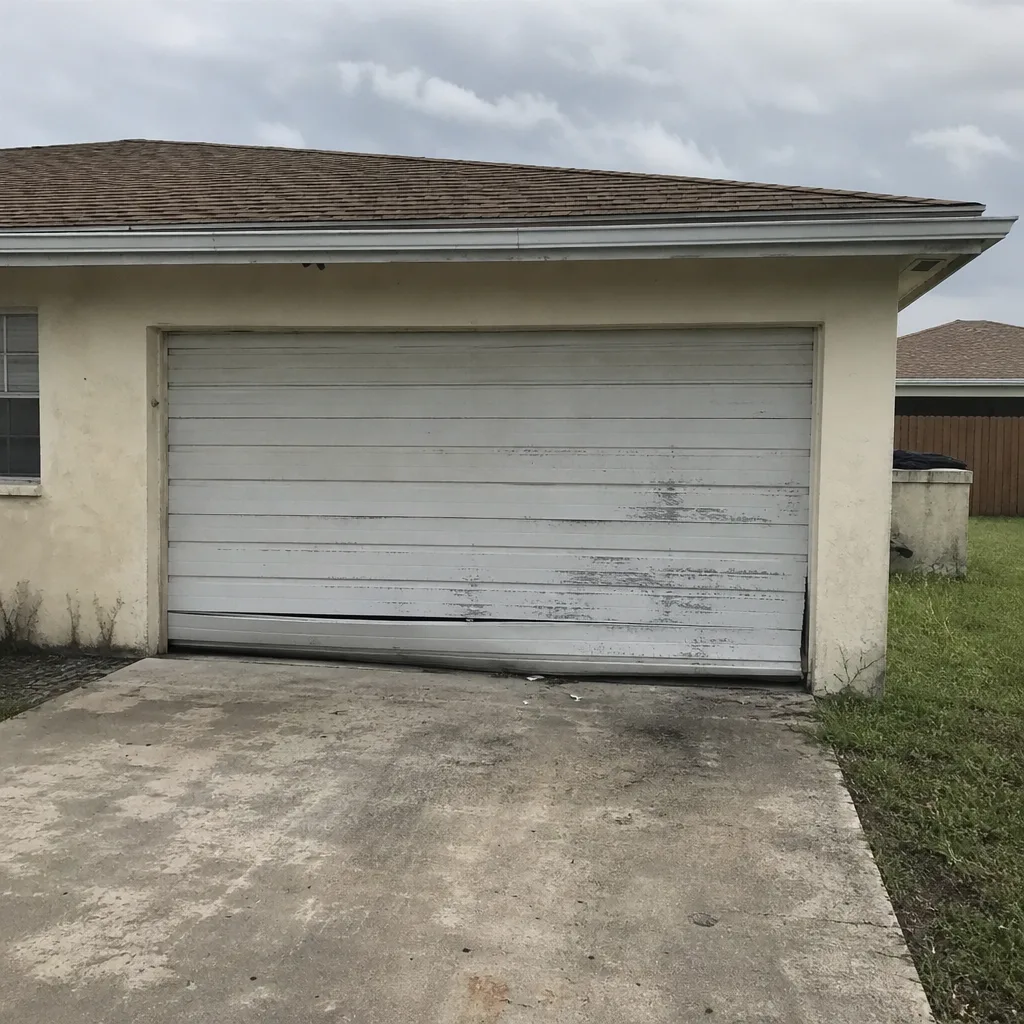 Before
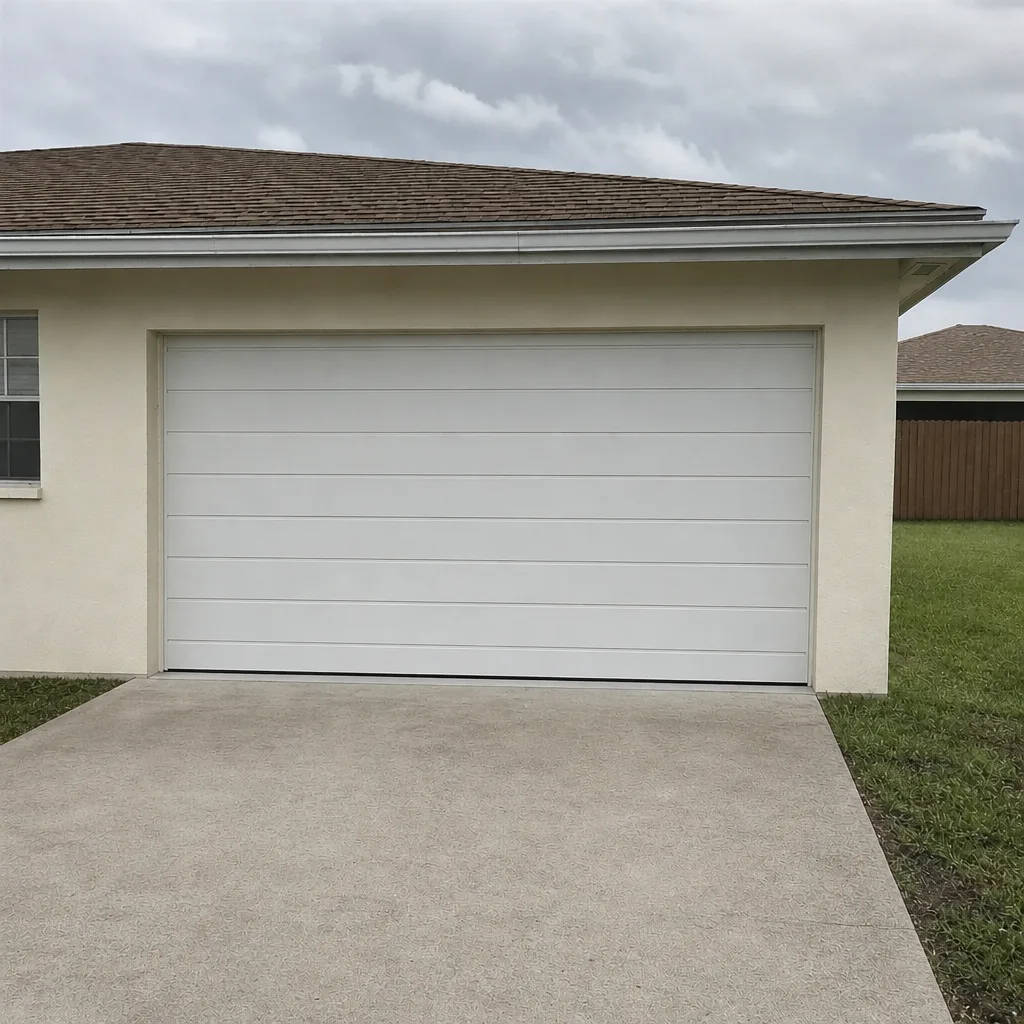 After
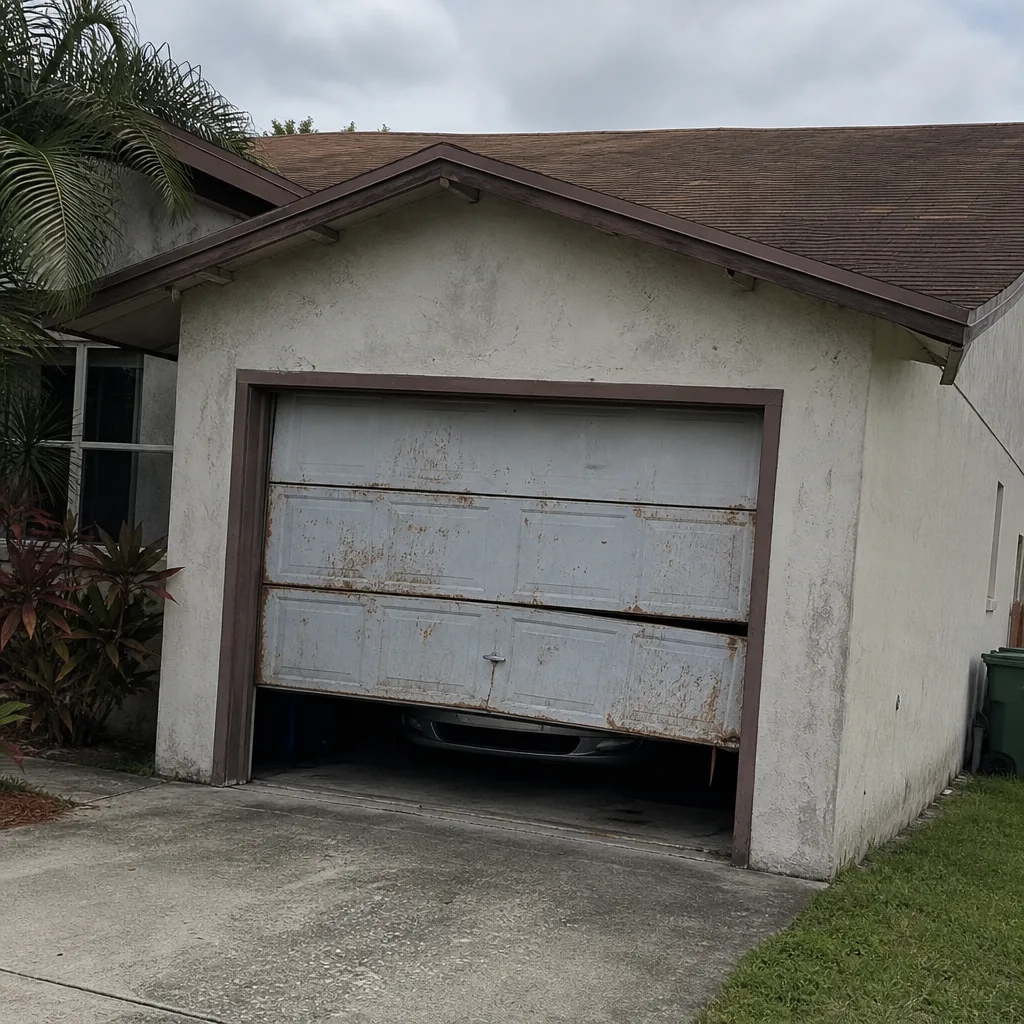 Before
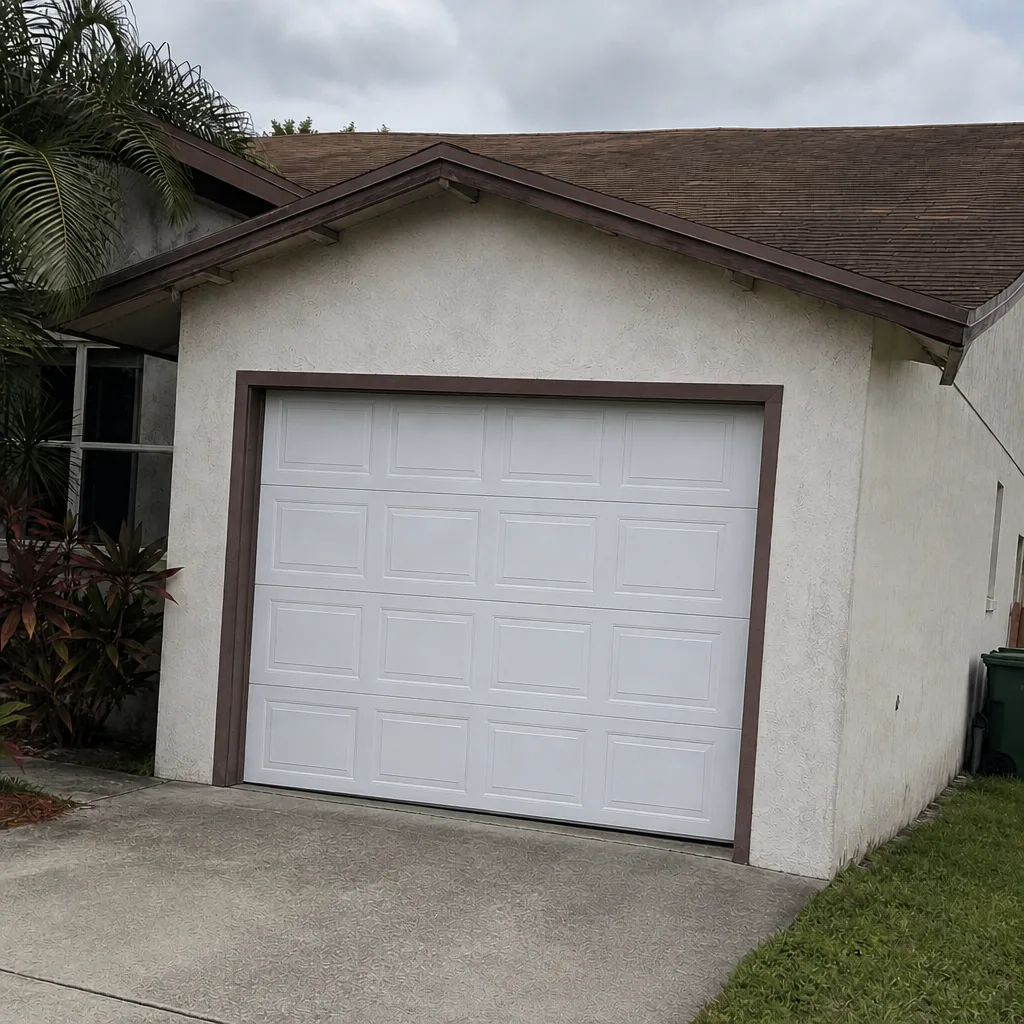 After
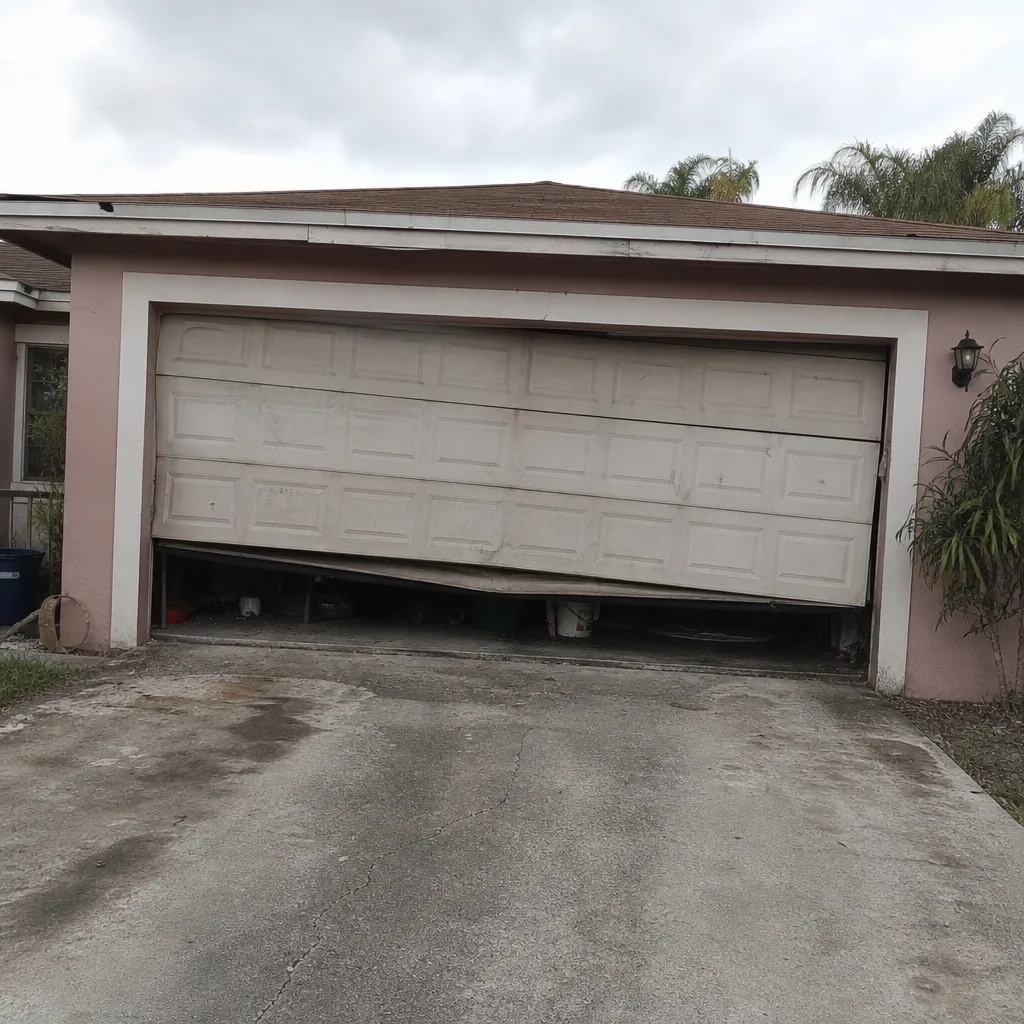 Before
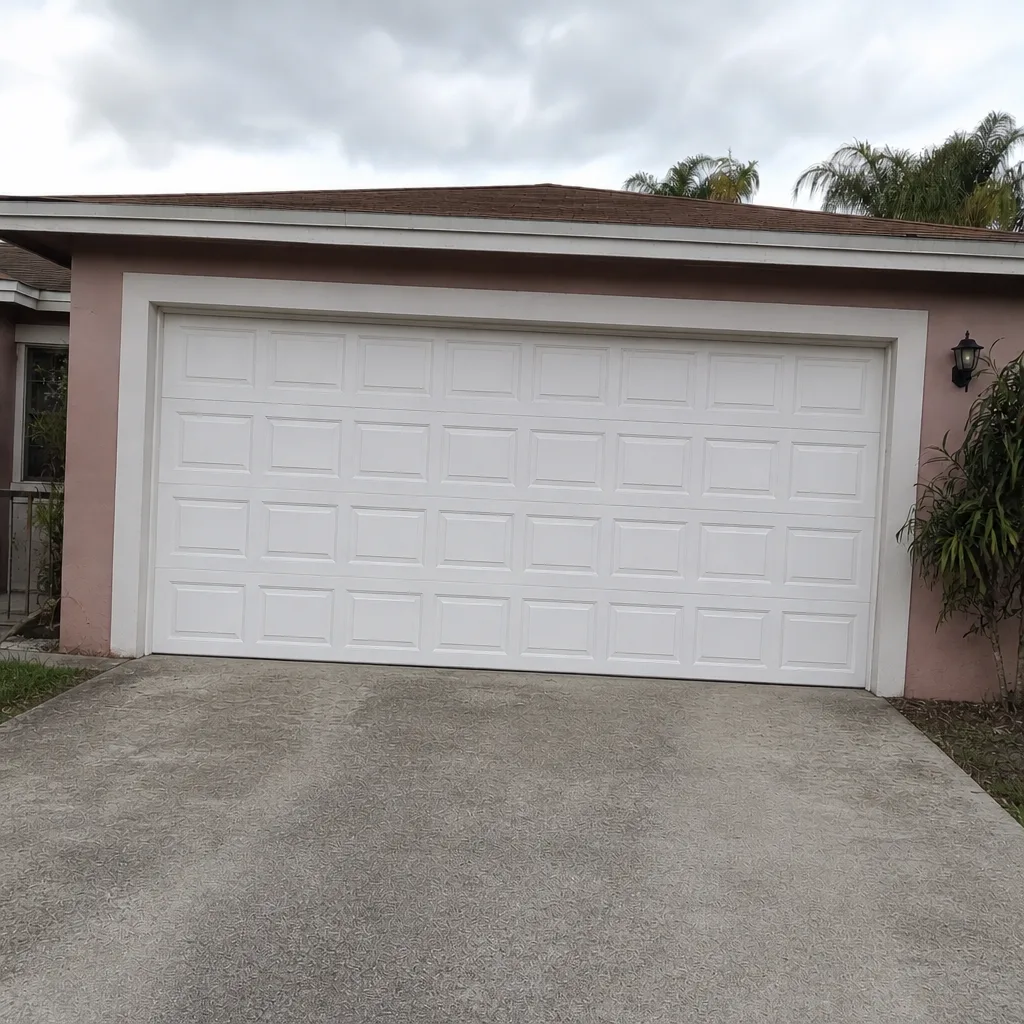 After
When to Call a Professional
Some jobs shouldn’t wait. Call us if the door won’t open or close, if a spring has snapped, if the door is off its tracks, or if the motor is grinding or failing. These are the moments where trying to force the door can turn a small repair into a bigger one. We also take calls for a door that’s simply old and misbehaving, or a wind-rated door that’s lost alignment after a storm.
If you’re not sure whether it’s a repair or a replacement, that’s exactly when a professional assessment helps. We’ll tell you what’s actually wrong and whether the fix is worth it. In Homestead, our team can usually come out quickly, and we operate outside usual day hours in early mornings or Sundays when a door fails at an inconvenient time. Homestead Garage Door Repair Co offers free estimates in Homestead. Call (866) 680-1175.
Frequently Asked Questions
Yes, in most cases. Homestead sits in a demanding wind zone, and the code treats the garage door as part of the home’s wind protection, so a wind-rated door with a Miami-Dade product approval is generally the starting point for any replacement. The exact design pressure you need depends on the specific building, so confirm it with your city or county building department or with us before you buy. Call (866) 680-1175 for a free estimate.
A Notice of Acceptance is the formal approval document that confirms a specific door model and installation configuration meets Miami-Dade requirements. “Hurricane rated” is a marketing phrase unless it’s backed by that document. Ask for the model number and the approval, and don’t rely on the badge alone. Call (866) 680-1175 if you want us to check a door’s label and paperwork.
It can, but it’s not ideal. Homestead’s heat and humid air stress the motor and control board, and summer power dips can shorten an opener’s life. An opener with battery backup, proper surge protection, and a motor sized for a heavier wind-rated door holds up better. Call (866) 680-1175 for a free estimate.
The most common sign is a loud bang from the garage followed by a door that won’t lift, and you may see a gap in the spring coils. Springs are the most dangerous part of the system and can release stored energy without warning, so don’t try to repair one yourself. Call us and we’ll take it from there. Call (866) 680-1175.
Repair is usually the smarter call when the door is still structurally sound and correctly wind-rated, and only one part is failing. Replacement makes more sense when the door is old, damaged, or no longer rated to code. We’ll give you an honest assessment and both options. Call (866) 680-1175 for a free estimate.
Check the hardware for rust, keep moving parts lubricated, test the balance and automatic reverse, and look at the tracks for bends or debris. Do it once or twice a year, and after any strong wind event. If the door drags or feels heavy, that’s a sign to call rather than wait. Call (866) 680-1175 if you’d like us to take a look.
The Bottom Line
A garage door in Homestead is a different job than the same door somewhere milder. Wind rating, Miami-Dade product approval, humidity, and heat all change what you should buy and how you should care for it. Read the label, demand the paperwork, pick materials and hardware that handle moisture, and size your opener for the real door it’s lifting. Most of the time a repair beats a replacement, and a spring is never a do-it-yourself item. If you’re not sure which path you’re on, get a professional assessment before you spend. Our team at Homestead Garage Door Repair Co offers free estimates and can walk you through it. Call (866) 680-1175.
Written by the team at Homestead Garage Door Repair Co.