Last updated November 22, 2026
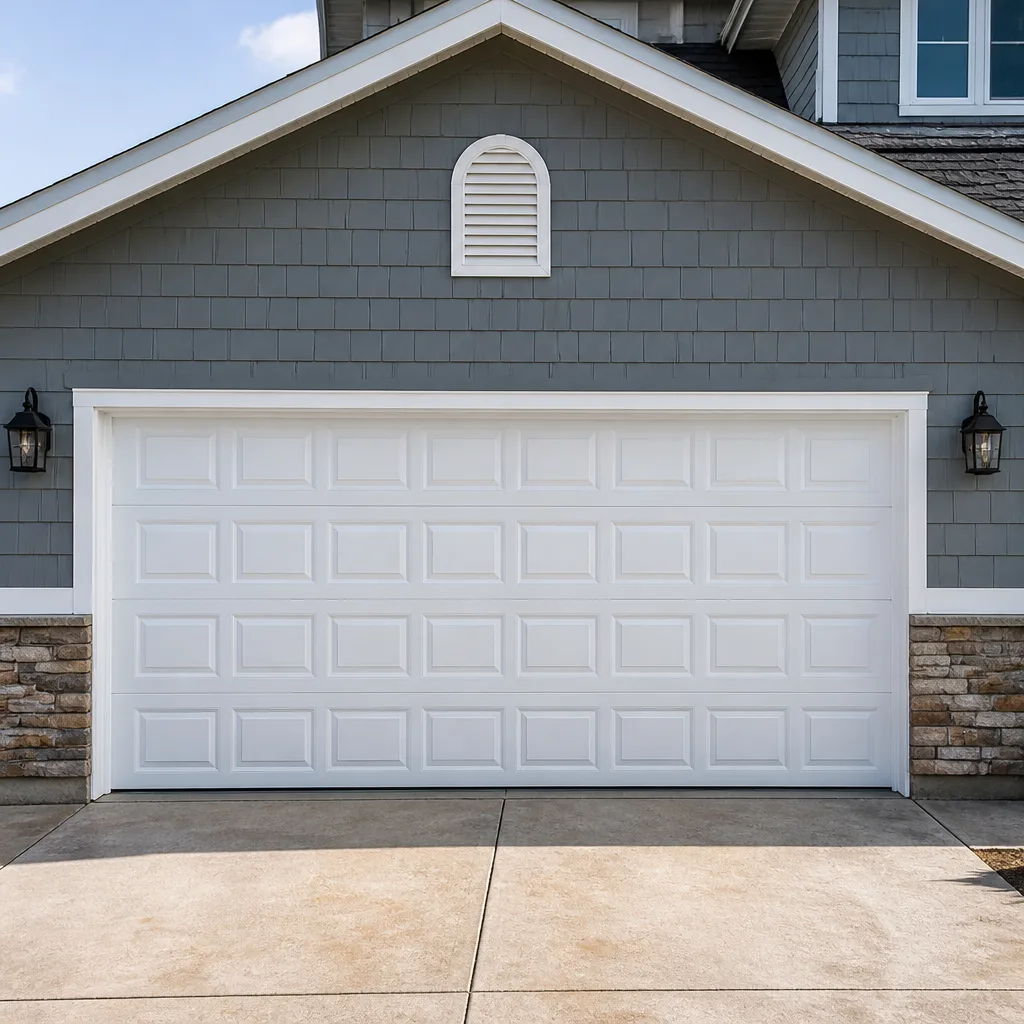 Raised-panel steel
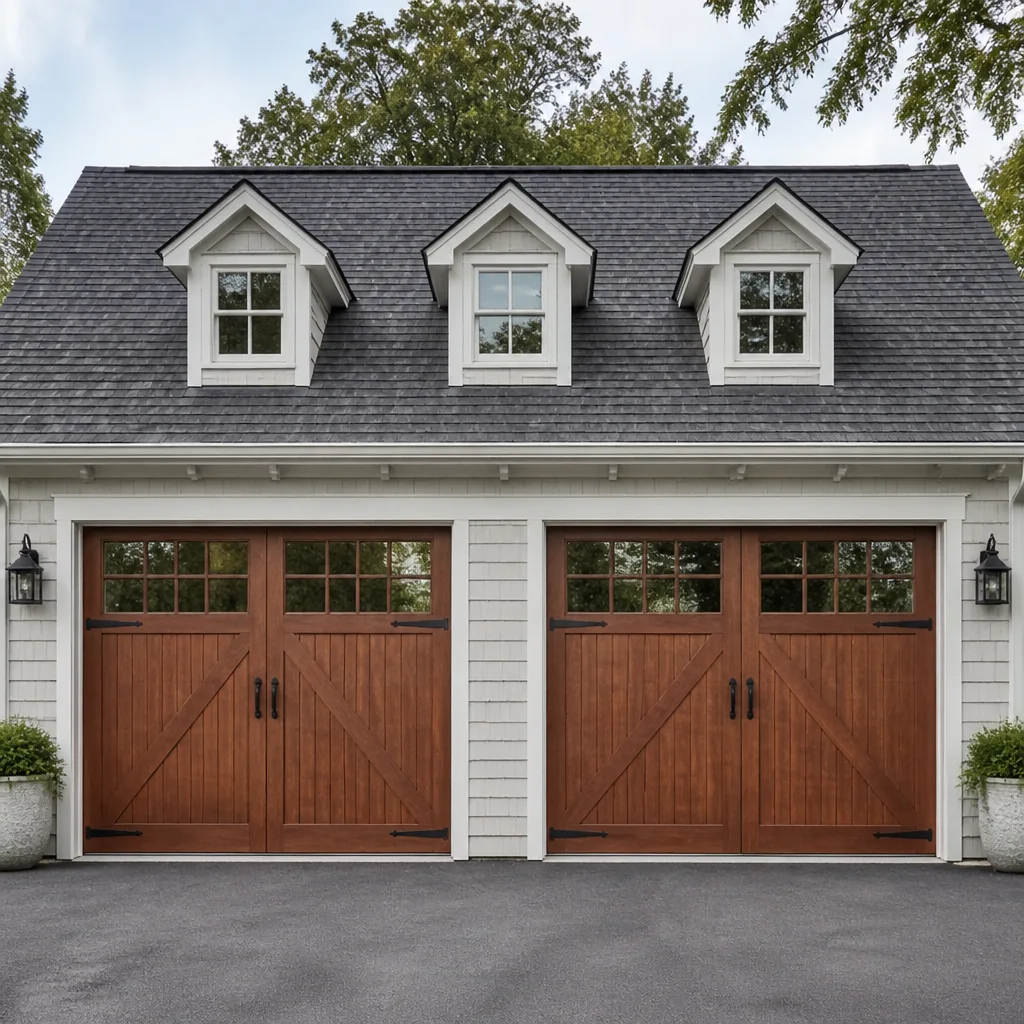 Carriage house
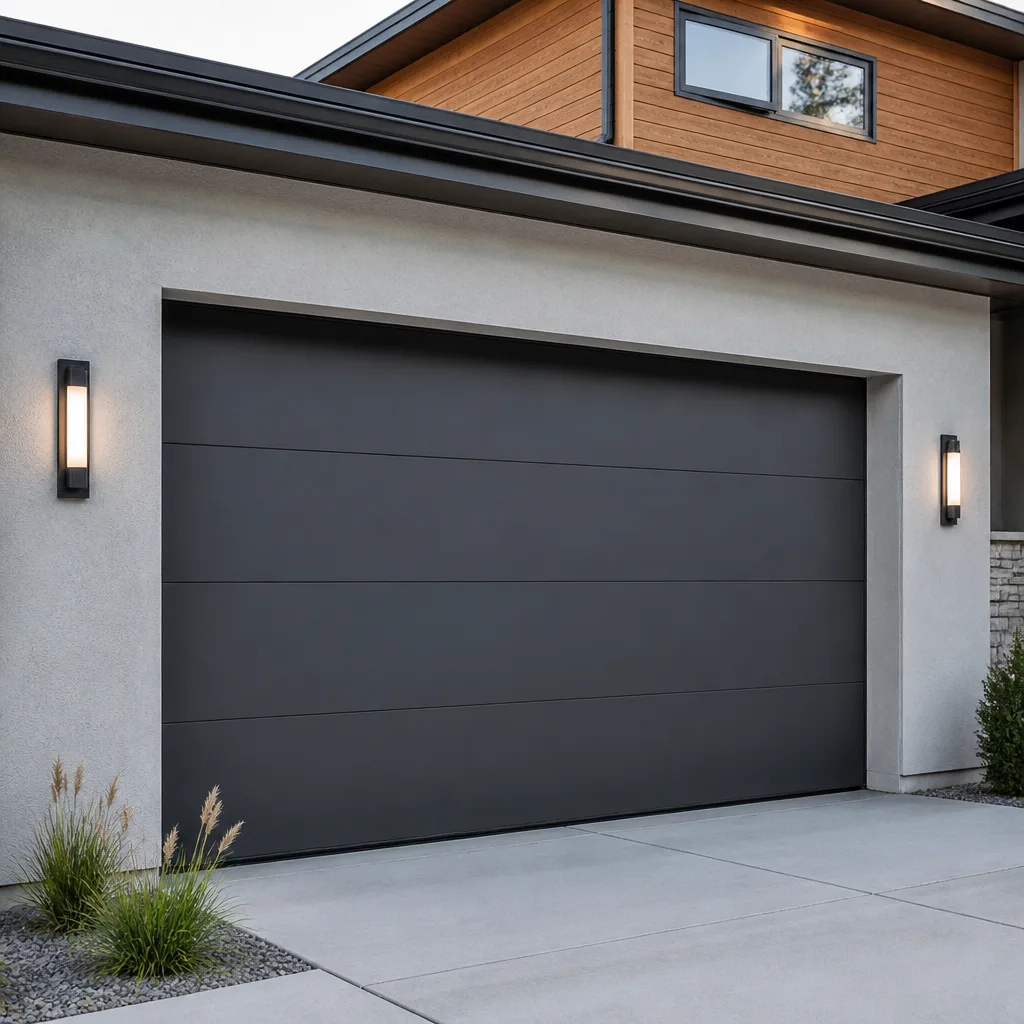 Modern flush
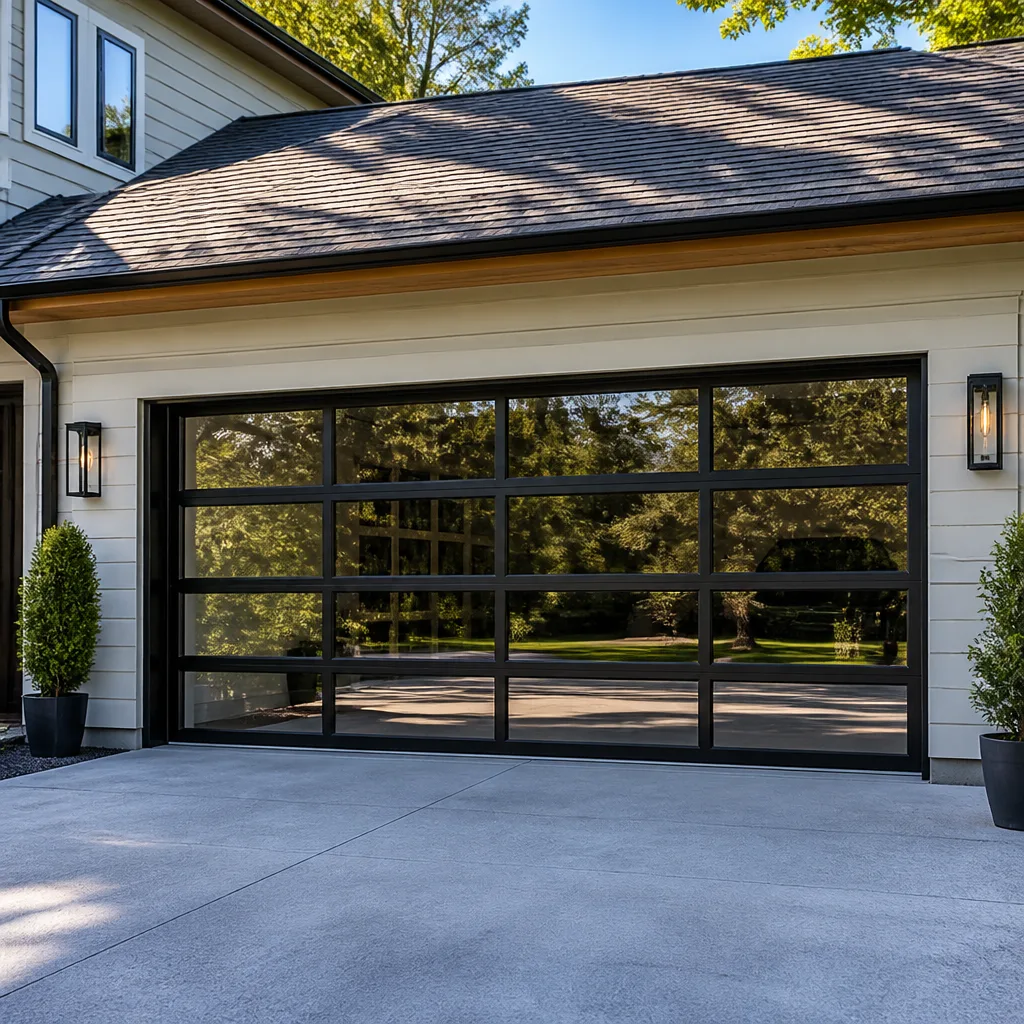 Full-view glass
 LiftMaster openers
 Chamberlain openers
Full 25-point door and opener safety check with every visit - springs, cables, rollers, tracks, and your LiftMaster or Chamberlain opener included
You get a price before we start. It does not change when the pro arrives.
Get your free estimateGarage Door Permits, Codes & Inspections in Homestead, FL: What You Need to Know
Most homeowners think a permit is something you need for a new roof or an addition, not for swapping out a garage door. That assumption causes real trouble in Homestead. This city sits inside one of the strictest wind-load enforcement jurisdictions in the country, and a door replacement that skips the permit can sit quietly in the county records until the day you sell. Then it surfaces as an open permit, and the buyer’s lender wants it closed before closing. In this guide we walk through exactly when a permit is required in Homestead, what Miami-Dade product approval means, how to check permit history on a home, what the inspector actually looks at, and how to resolve work that was done without one.
Quick Answer
In Homestead, replacing a garage door, changing the door’s size, or installing a new opener on a structural header typically requires a building permit and a final inspection under the Florida Building Code as amended locally. The door itself must carry a Miami-Dade County Notice of Acceptance (NOA) or a Florida Product Approval for the design pressure it will face, and the label proving that has to stay visible on the installed door. Repairing panels, springs, cables, rollers or an opener motor on an existing, permitted door generally does not require a permit, but the work still has to use rated parts.
Styles & brands we work with
- Raised-panel steel
- Carriage house
- Modern flush
- Full-view glass
- LiftMaster openers
- Chamberlain openers
Table of Contents
- When does a garage door project need a permit in Homestead?
- What is a Miami-Dade NOA, and why does it matter?
- How do you check permit status on a Homestead home?
- What does the inspection actually cover?
- What happens if prior work was done without permits?
- Do openers and electrical work have their own rules?
- What do permits and inspections cost in Homestead?
- Common mistakes to avoid
When Does a Garage Door Project Need a Permit in Homestead?
A permit is triggered by structural change, not by every turn of a wrench. Under the Florida Building Code, any work that alters the building envelope or affects the structural load path needs a permit and inspection. A garage door occupies a very large opening in that envelope, so replacing it counts.
The dividing line is straightforward once you know where it sits. In our experience the confusion comes from contractors who treat “replacement” and “repair” as the same word. They aren’t, at least not to the building department.
Work that typically requires a permit in Homestead
- Replacing a complete garage door, including a like-for-like swap of the same size
- Changing the door’s dimensions, which alters the header, jambs or rough opening
- Switching door type, such as converting a standard sectional door to a wind-rated or impact-rated assembly
- Adding or relocating reinforcement struts or a wind-load post system where the manufacturer’s approval covers a field modification
- Installing a new opener where the door’s structural reinforcement changes, or where new electrical work is required
- Adding a garage door to a wall that didn’t previously have one
Work that typically does not require a permit
- Replacing torsion or extension springs on an existing door
- Replacing cables, drums, rollers, hinges or bottom brackets
- Replacing a worn section panel with an identical rated panel
- Repairing or replacing a opener motor or logic board on the existing wiring
- Adjusting tracks, travel limits or safety sensors
One caveat on that second list: the parts still have to be appropriate for the door. If you’re not sure whether your planned work crosses the line, ask the City of Homestead Building Department directly. A two-minute phone call before the work starts beats an open permit discovered at closing. Homeowners planning a straightforward repair on a permitted door can read more about garage door repair and what belongs in the repair bucket.
What Is a Miami-Dade NOA, and Why Does It Matter?
A Notice of Acceptance is Miami-Dade County’s product approval document. It certifies that a specific product – a garage door, a shutter, a window – has been tested to withstand a stated design pressure and passed the county’s protocols. Homestead is in the Miami-Dade high-velocity hurricane zone, so an NOA is the foundation of every compliant installation in the county.
No NOA, no permit. That’s the short version. The building department will not approve a garage door permit without one, because the door is treated as part of the wind-resisting envelope. A door that carries a Florida Product Approval but not a Miami-Dade NOA may not be accepted in the high-velocity zone. You want the NOA, and you want it for the exact model and size that will be installed.
What the NOA tells you
- The product’s design pressure rating and the maximum size covered
- Which anchoring and reinforcement details the approval depends on
- The approval number the inspector will look for on the door’s label
- The manufacturer and the model family it applies to
Label placement matters as much as the label itself. The approval label has to remain affixed and readable after installation, usually inside the top section or on the end stile. An inspector who cannot verify the label may fail the inspection. When we install a door, we make sure the label stays where it can be photographed years later. Manufacturer familiarity helps here – our technicians have up to 14 years of experience working with Clopay, Amarr, Wayne Dalton and Raynor doors, and we know where each brand’s label sits and what it should say.
One more point: the approval covers the assembly, not just the door. Struts, posts, hinges, jamb brackets and mounting details are part of what was tested. Swapping in a generic strut can invalidate the approval even if the door itself is correct.
How Do You Check Permit Status on a Homestead Home?
You check permit status by pulling the property record through the City of Homestead’s online permit portal, then comparing each permit’s status and inspection history against the work visible on the home. The portal lists submitted applications, issued permits, inspections performed and whether a final inspection was passed.
We recommend this for two situations: buying a home, and selling one. A garage door replacement done without a permit won’t always show up in a listing disclosure, but it will show up as a gap. A permitted replacement shows as a permit with a passed final inspection. A door with no corresponding permit entry is the flag.
- Go to the City of Homestead building department’s online permit search and enter the property address or folio number.
- List every permit tied to the address, including old ones. Note the permit type and the description of work.
- Look for a garage door or structural opening permit that lines up with the age and appearance of the current door.
- Check the inspection record for that permit. A permit with no final inspection may still be open.
- Confirm the permit status field reads “final” or the local equivalent, not “issued” or “in review.”
- Verify the installed door carries a visible Miami-Dade NOA or product approval label matching the permit.
- If anything looks inconsistent, ask the building department to confirm the status in writing before you commit.
For sellers, running this check six months before listing is far cheaper than discovering an open permit during a closing. Buyers should ask for the permit number rather than accepting a verbal “it was all permitted.” If the door itself looks newer than the permit record suggests, that’s a signal worth chasing. Our team fields these questions often in neighborhoods across Homestead and south Miami-Dade, and the answer always starts with the portal.
What Does the Inspection Cover?
The inspector confirms that the installed door matches the approved plans and the product approval, and that the installation details protect the building envelope. The inspection is not a workmanship review or a mechanical test of the opener. It is a code and product conformance check.
In broad terms, the inspector will verify the door’s label and approval number, check that the mounting and reinforcement details match the approval, look at how the door is anchored into the framing, confirm the tracks and jambs are secure, and make sure the opening is weather-sealed where required. For homes with wind-rated assemblies, the inspector also checks the specific anchoring pattern and any required posts or struts.
How to prepare without surprises
- Keep the NOA or product approval paperwork on site for the inspection.
- Make sure the approval label is visible and legible on the installed door.
- Clear the garage floor so the inspector can see the full opening and the tracks.
- Have the door in the closed position and, if the opener is installed, make sure it’s operational for the inspector’s visual check.
- Confirm the permit number is available to the inspector in case the record needs a manual lookup.
- Fix any obvious track damage or misalignment before the inspection rather than after.
What inspectors typically do not check
- Spring tension or balance, beyond obvious visual issues
- Opener force and travel settings (those are a safety matter, not a permit point)
- Cosmetic finish or paint quality
- Whether the door is quiet or smooth in operation
The gap between “inspected” and “working right” is where our trade lives. A door can pass inspection and still have a badly matched spring set or an opener pushing too hard. That’s a mechanical matter, best handled by garage door spring repair and opener adjustment from someone who works on your brand.
What Happens if Prior Work Was Done Without Permits?
Unpermitted work surfaces in one of three ways: during a title search, when a neighbor files a complaint, or when a later contractor pulls a permit and the records don’t line up. The realistic path forward depends on the age, condition and documentation of the door.
The county and city handle this through a retroactive permit process. It is typically more expensive than a standard permit because the work has to be documented and inspected after the fact, and it can require opening up parts of the installation or providing the product approval for a door installed years earlier. The exact fees and process change, so ask the City of Homestead Building Department what your situation requires. No contractor can promise a specific outcome before the building department reviews the file.
Possible routes to resolution
- Retroactive permit – if the door still meets the current approval requirements and documentation exists, the building department may allow a permit to be pulled after the fact, followed by an inspection.
- Product approval match – if the installed door carries a valid NOA and label for its size, you have a real chance of closing the record.
- Partial or full replacement – if the door’s approval can’t be established or the installation details don’t match the approval, the practical answer may be replacing the door with a compliant assembly and pulling a fresh permit.
- Disclosure and negotiation – if you’re selling, you can disclose the issue and let the buyer decide whether to take it on. Expect the buyer’s lender to want a plan.
If replacement turns out to be the answer, a full door installation handled as a permitted, inspected job is what you want, not a cash-only swap. We handle springs and hardware separately from installs because the code treatment really is different.
Do Openers and Electrical Work Have Their Own Rules?
Openers sit in a gray zone that trips up homeowners. The mechanical opener itself is not a structural product, so swapping an opener motor on existing wiring and an existing door usually does not require a building permit for the door envelope. Electrical work is a separate matter.
If a new circuit is needed for the opener, if an outlet has to be added in the garage, or if the opener is being wired fresh, that electrical work falls under the electrical code and typically requires a permit pulled by a licensed electrician. Homestead follows Florida’s statewide electrical code, so the answer doesn’t change much from city to city, but the permit requirement does apply.
Where the safety consensus overlaps with the code
- Openers installed on a permitted door are the norm. An opener installed on a door that never got its permit is a flag the next inspector will see.
- Photoelectric safety sensors are standard on modern openers. If yours are missing or bypassed, that’s a safety issue, not a code paperwork issue – and it should be fixed regardless of permit status.
- Battery backup requirements apply to some new residential installations, so confirm the current requirement with the building department if you’re installing a new opener.
Door balance and force settings are not code items, but they are the number one thing we get called out for. A heavy, unbalanced door strains the opener, wears out the springs faster and shortens the life of the whole system. If your opener is straining or the door slams shut, that’s a call to garage door opener repair before a motor burns out.
What Do Permits and Inspections Cost in Homestead?
Garage door permit and inspection costs in Homestead are typically in the low hundreds of dollars, and they vary based on the door’s value and the scope of work. The building department sets the fee schedule, so the number you get from the city is the number you budget. Door hardware and installation costs are separate.
| Item | Typical range | Notes |
|---|---|---|
| Building permit – garage door replacement | City of Homestead fee schedule | Based on door value and scope; confirm with the building department |
| Product approval documentation | Included with the door | Provided by the manufacturer or distributor |
| Final inspection | Included in permit fee | Inspector schedules after the install is complete |
| Retroactive permit (unpermitted work) | Higher than a standard permit | Fees and process set by the building department |
| Electrical permit (new opener circuit) | Set by the electrical contractor and city | Only when new wiring is needed |
Two things we always tell Homestead homeowners about cost: get a written number from the building department rather than a verbal guess, and factor the permit into the overall project budget so it doesn’t appear as a surprise line item. We quote the door installation separately and let you know the permit and inspection are part of the job. Call (866) 680-1175 for a free estimate on the door side; we’ll walk you through what the city requires.
Common Mistakes to Avoid
- Assuming a like-for-like swap doesn’t need a permit. It does. The permit is about the opening in the building envelope, not whether the door got bigger.
- Buying a door without a Miami-Dade NOA. Check the approval before you pay. A door that isn’t approved for the wind zone can’t be permitted and may have to come out.
- Pulling the label off after installation. The approval label is part of the compliance. Trim it, cover it or paint over it and you’re asking for a failed inspection years later.
- Skipping the permit because “nobody checks.” Somebody checks – usually a title company at closing. An open permit can delay or derail a sale in Homestead.
- Hiring a non-specialist handyman for a permitted install. The installation has to match the approval’s anchoring details, and a generalist who has never read a NOA may not know which struts and brackets belong to the tested assembly.
- Treating the inspection as a quality check. It isn’t. Passing inspection doesn’t mean the spring is properly matched or the opener force is correct. That’s a separate conversation.
- Trusting a verbal “we handle the permit.” Ask for the permit number and check the status yourself. It’s your door and your home record.
See the difference
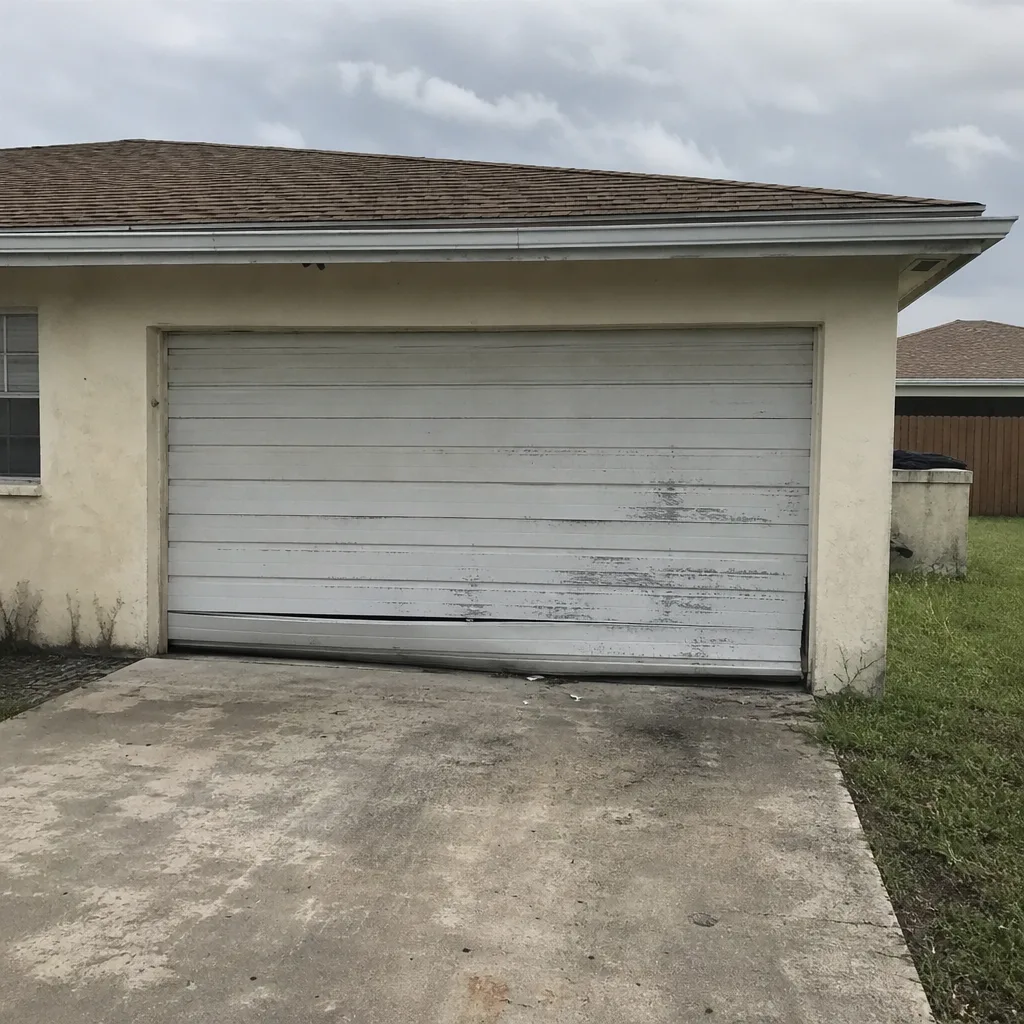 Before
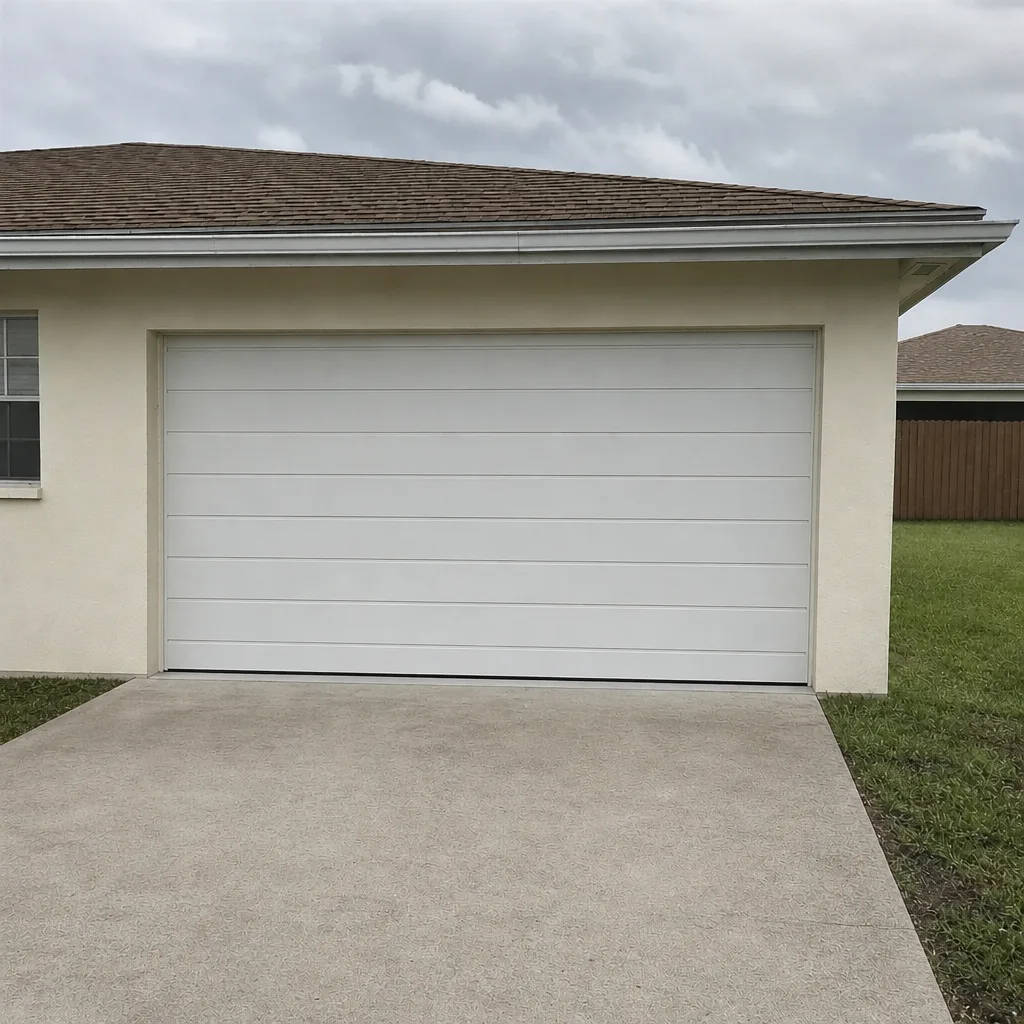 After
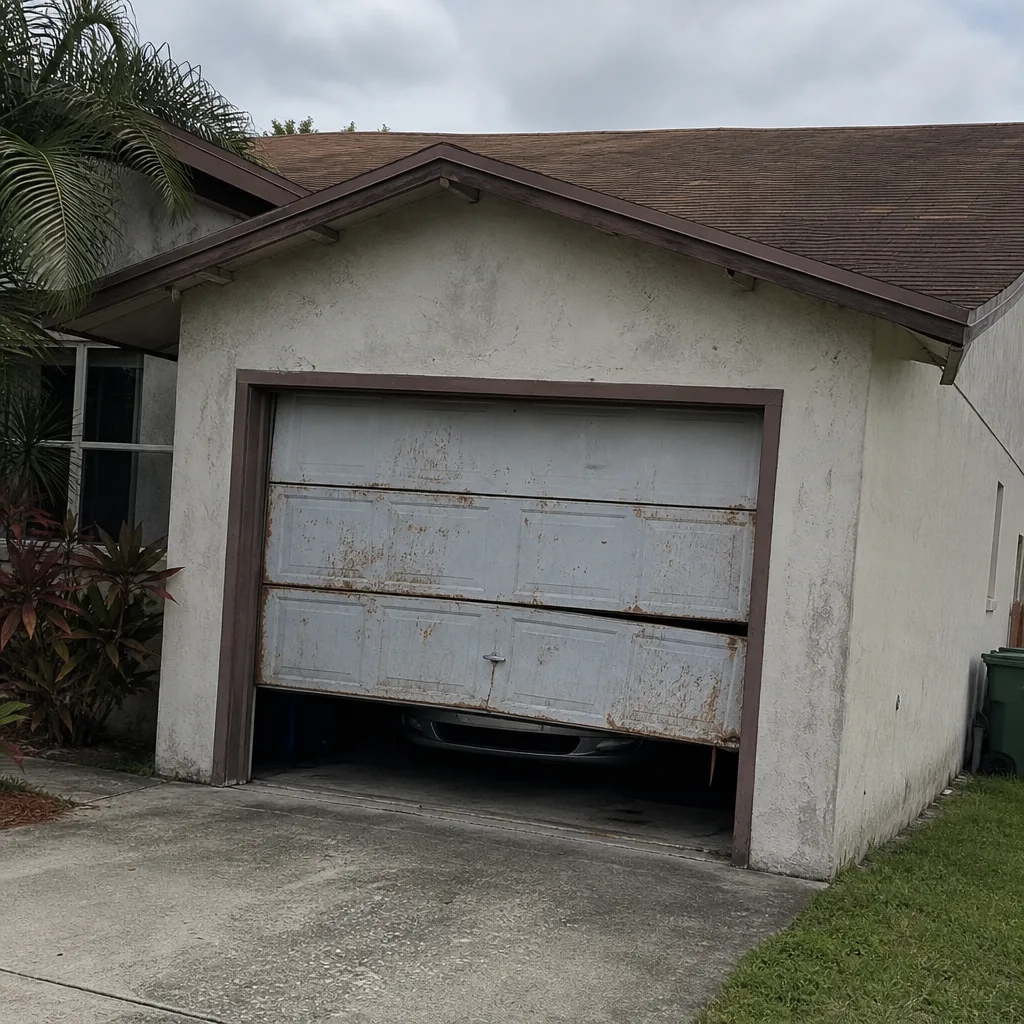 Before
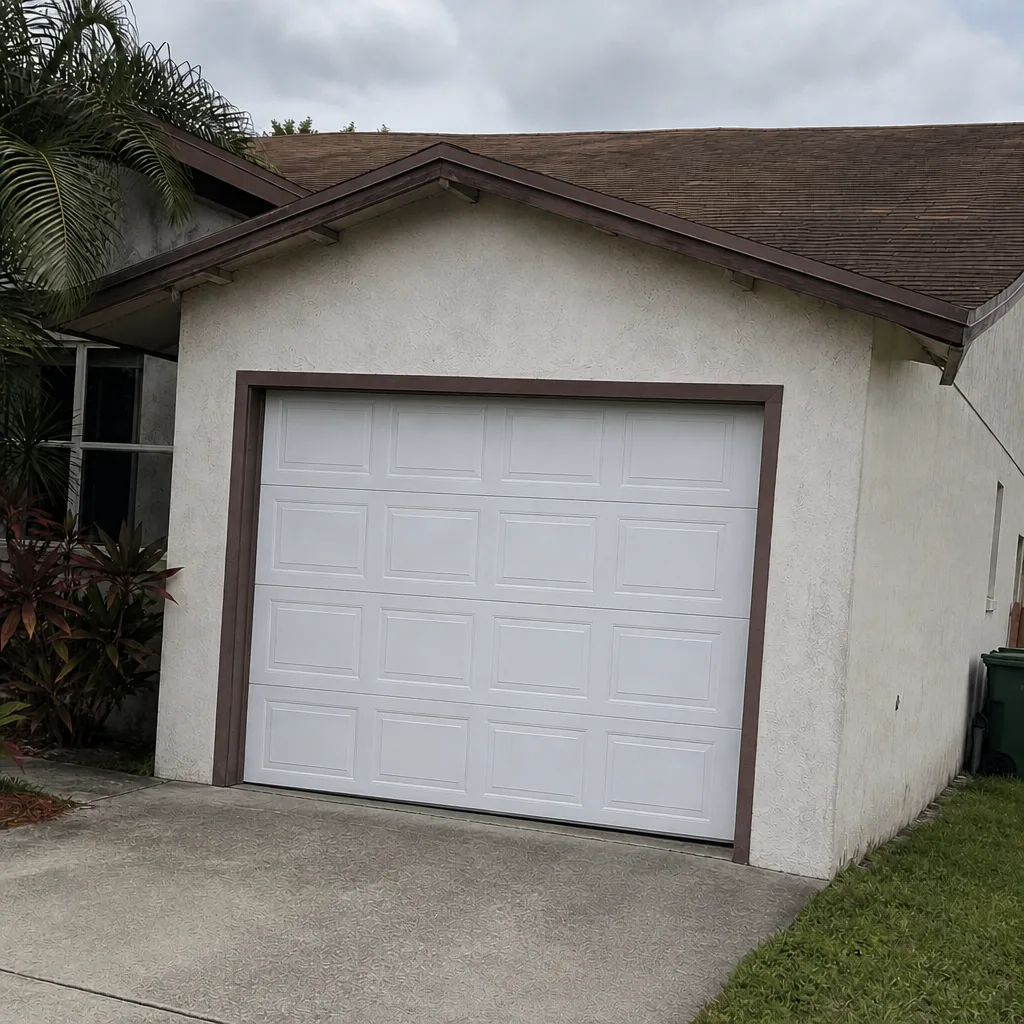 After
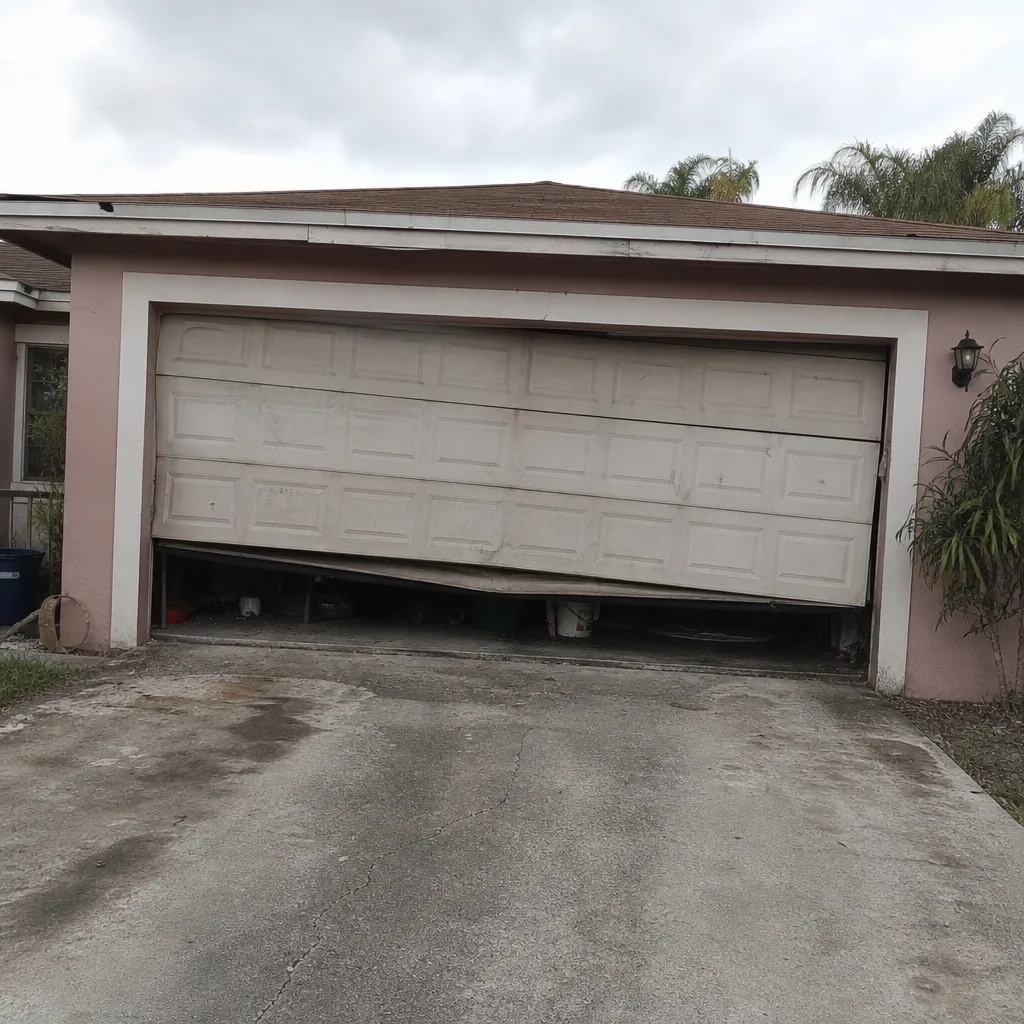 Before
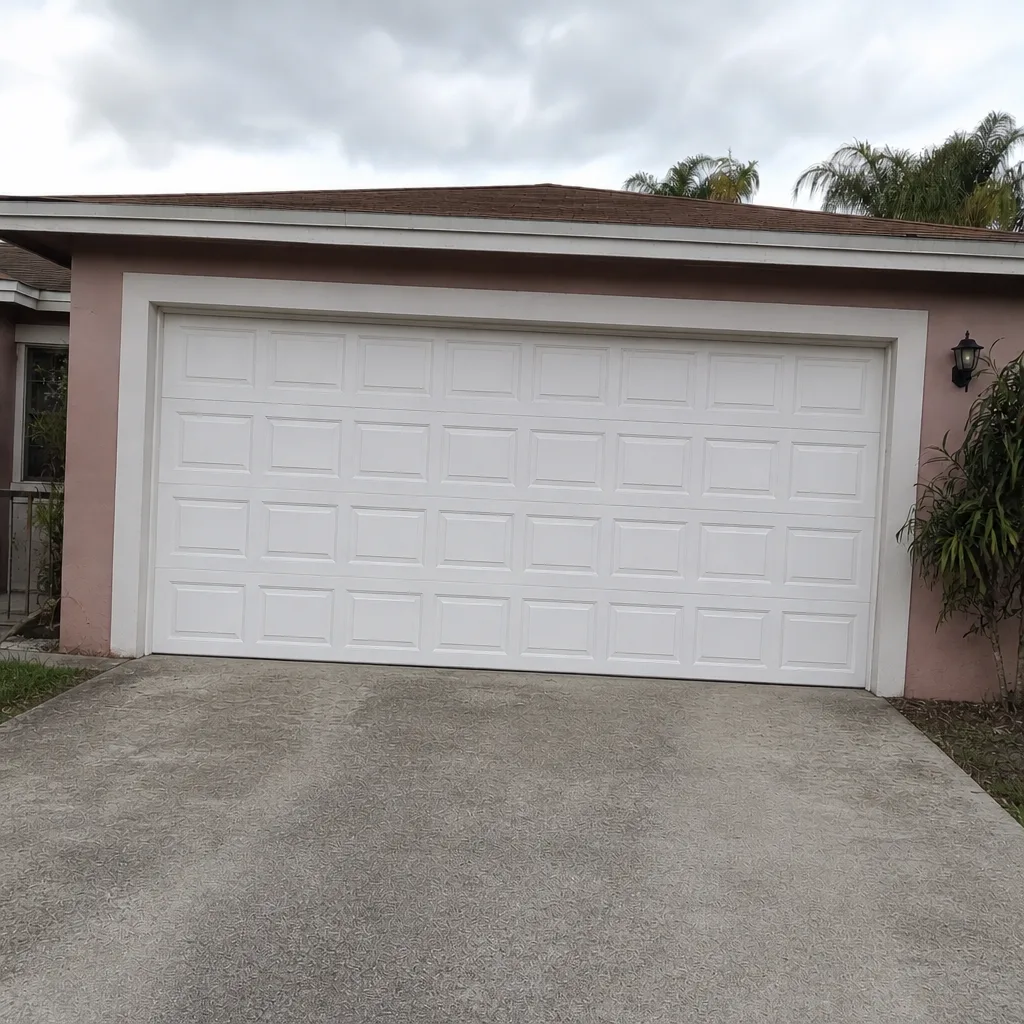 After
When to Call a Professional
Call a garage door specialist for anything involving springs, cables, torsion hardware, panel replacement, or the installation itself. Torsion springs are under extreme tension and can cause serious injury when handled by someone without training, and garage doors are heavy enough that a dropped door or a failed cable is dangerous, not just inconvenient. If your door is off its tracks, sagging, or slamming shut, stop operating it and call.
You should also call a specialist when you’re replacing a door, because the permit, the NOA and the installation details all have to line up, and that’s not the place for guesswork. In Homestead, Homestead Garage Door Repair Co offers free estimates for door replacement and repairs, and we can tell you what the building department will need before we visit. When the door is stuck, call. When it’s a planned replacement, call for a written quote. Either way, the number is (866) 680-1175.
Our technicians have up to 14 years of experience working on every major brand and system type, and we work on your brand as it is, whether that’s LiftMaster, Chamberlain, Genie, Raynor or something else. We also handle the practical side of the trade – door and opener work – so the install and the inspection line up. Pair the door replacement with a permit and inspection and you get a compliant, functional, safe result.
Frequently Asked Questions
Yes, in most cases. Replacing a garage door in Homestead generally requires a building permit and a final inspection, because the door is part of the building envelope and the city enforces the Florida Building Code’s wind-load requirements. Repairing springs, cables, rollers or an opener on an existing permitted door typically doesn’t need a permit. Confirm the specifics with the City of Homestead Building Department before work starts. Call (866) 680-1175 for a free estimate on the door itself.
A Miami-Dade NOA (Notice of Acceptance) is the county’s product approval for the wind-zone product being installed. Because Homestead sits in the high-velocity hurricane zone, you need a door that carries a valid NOA for its size and design pressure. A Florida Product Approval that isn’t also Miami-Dade approved may not be accepted here. Call (866) 680-1175 and we can tell you what to ask the manufacturer for your door.
Yes. Use the City of Homestead building department’s online permit portal, search by address or folio number, and review every permit tied to the property. Look for a garage door permit that matches the installed door and confirm its final inspection passed. If the door looks newer than the permit record, ask the seller and the building department. Call (866) 680-1175 if you want a specialist to look at the door itself.
An unpermitted door can show up in the title search and stall or delay the closing, and the buyer’s lender may require it to be resolved before financing proceeds. The realistic path forward is to contact the City of Homestead Building Department about a retroactive permit, documentation, or replacement with a compliant door. Call (866) 680-1175 for a free estimate if replacement ends up being the answer.
Usually not for the opener itself if you’re swapping it on existing wiring and an existing door. New electrical work – a new circuit or outlet in the garage – does typically require an electrical permit from a licensed electrician. If you’re adding an opener to a door that was never permitted, that’s the time to sort the permit record. Call (866) 680-1175 for opener repair on any brand.
The local professionals we connect you with are licensed and insured as their state requires, and we can confirm credentials for the market before we schedule. We’re a garage door specialty company, not a general contractor. Call (866) 680-1175 and we’ll confirm the credentials for the door work you need done.
The Bottom Line
In Homestead, the permit question usually comes down to one line: replacing the door is a permitted, inspected project, and repairing the hardware on an existing permitted door usually isn’t. The permit matters because the door is part of the building envelope, and in this county that means a Miami-Dade NOA, a matching installation, and a visible label the inspector can verify. Check the permit record on any home you’re buying. Don’t strip the label after installation. And if you’re facing an unpermitted door, get the building department involved early rather than hoping it stays quiet.
Any garage door professional who knows what they’re doing will talk about permits like they’re part of the job. If the person quoting your door dodges the question, that’s a signal. Our team at Homestead Garage Door Repair Co treats permit and code questions as part of the service, and we’ll help you understand what the city will require before you commit. Call (866) 680-1175 for a free estimate. Estimates are free, and the price you’re quoted is the price the city approves the work under.
Written by the team at Homestead Garage Door Repair Co.