Last updated November 22, 2026
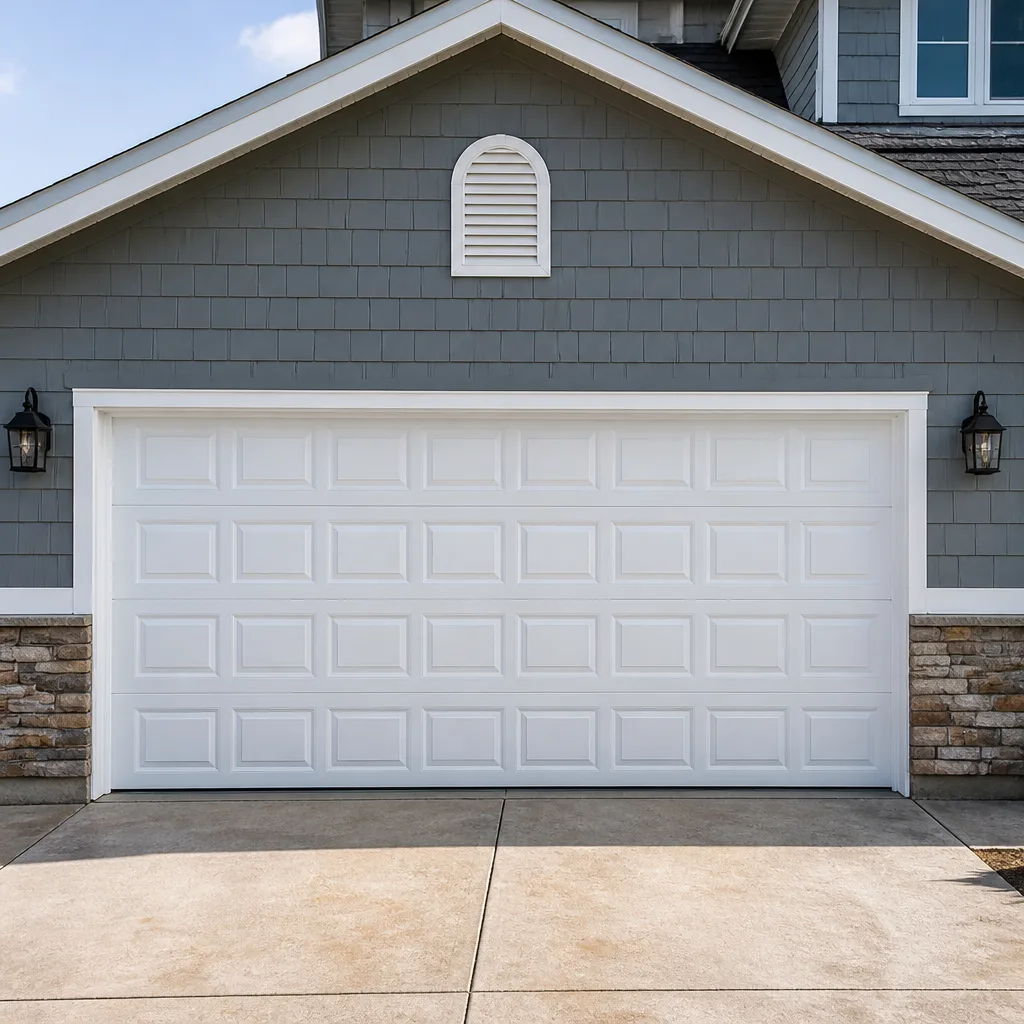 Raised-panel steel
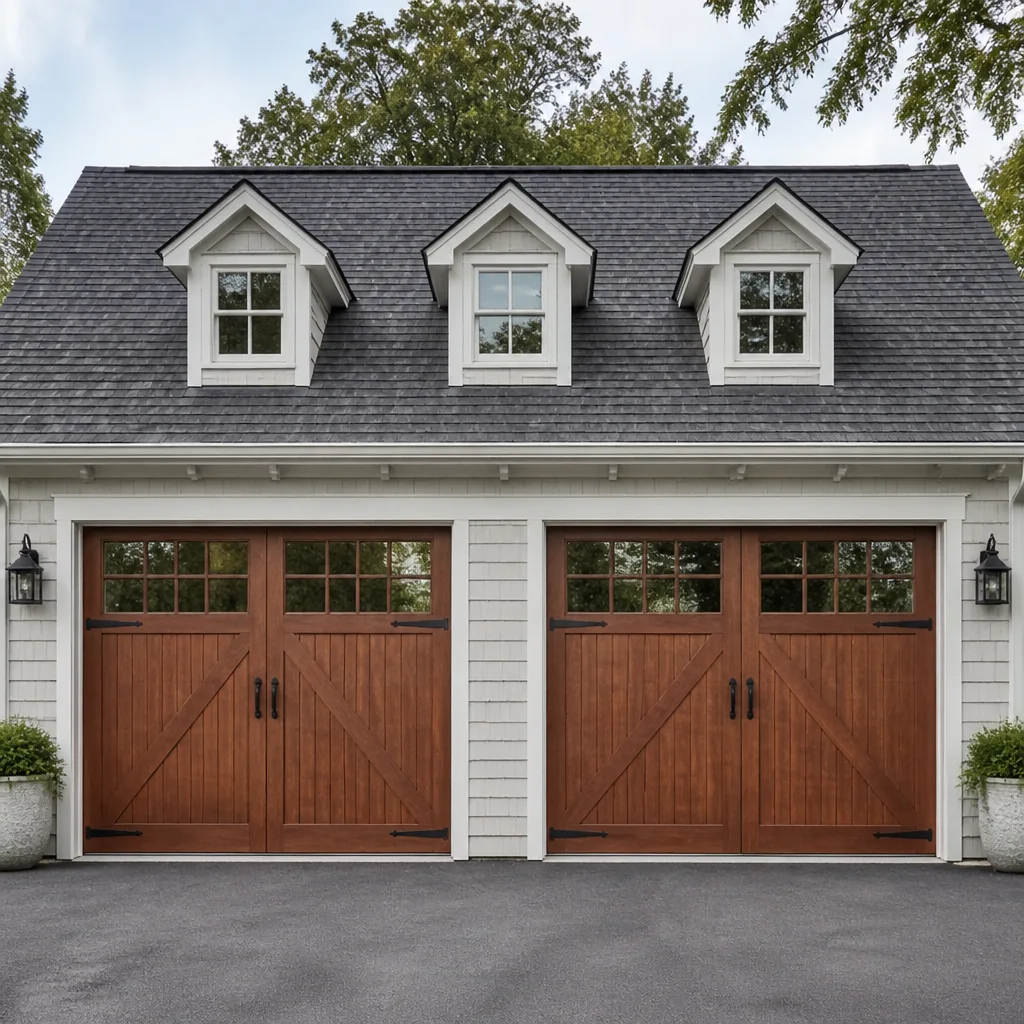 Carriage house
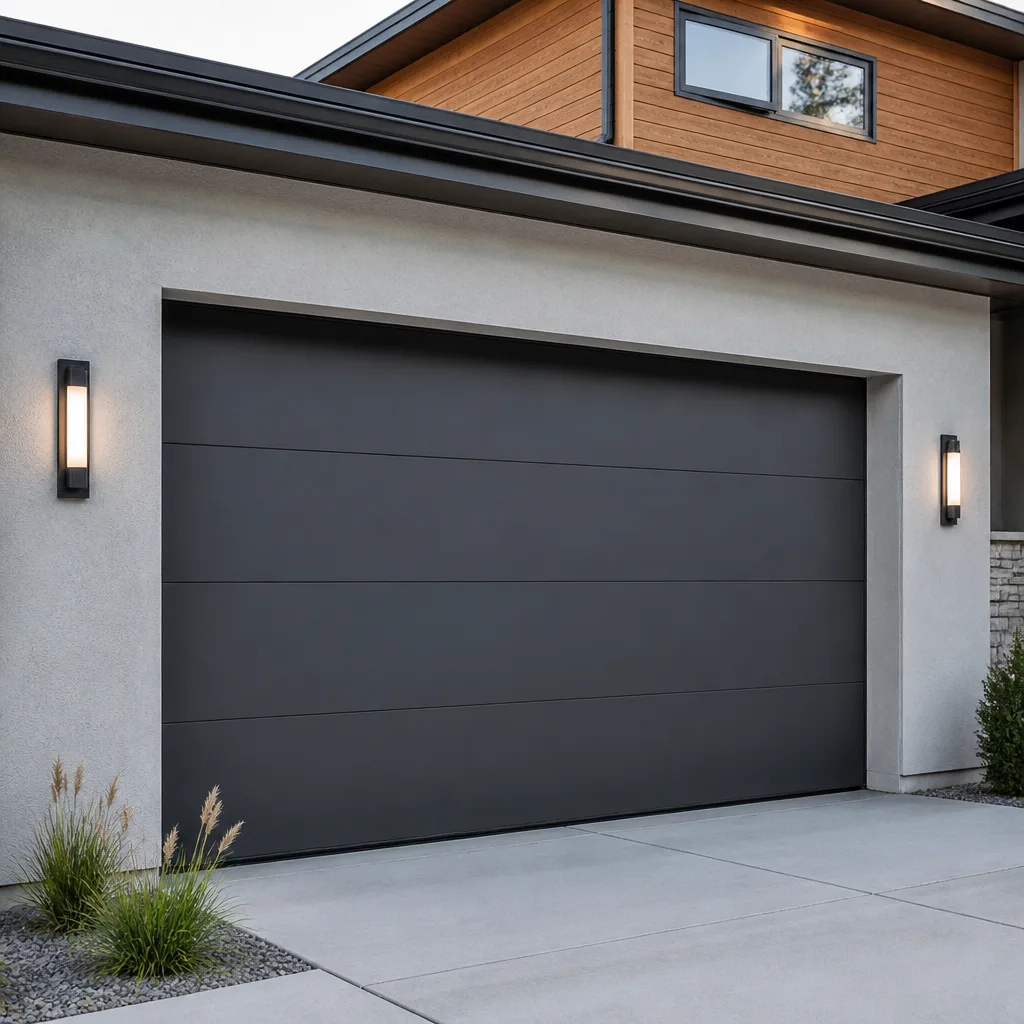 Modern flush
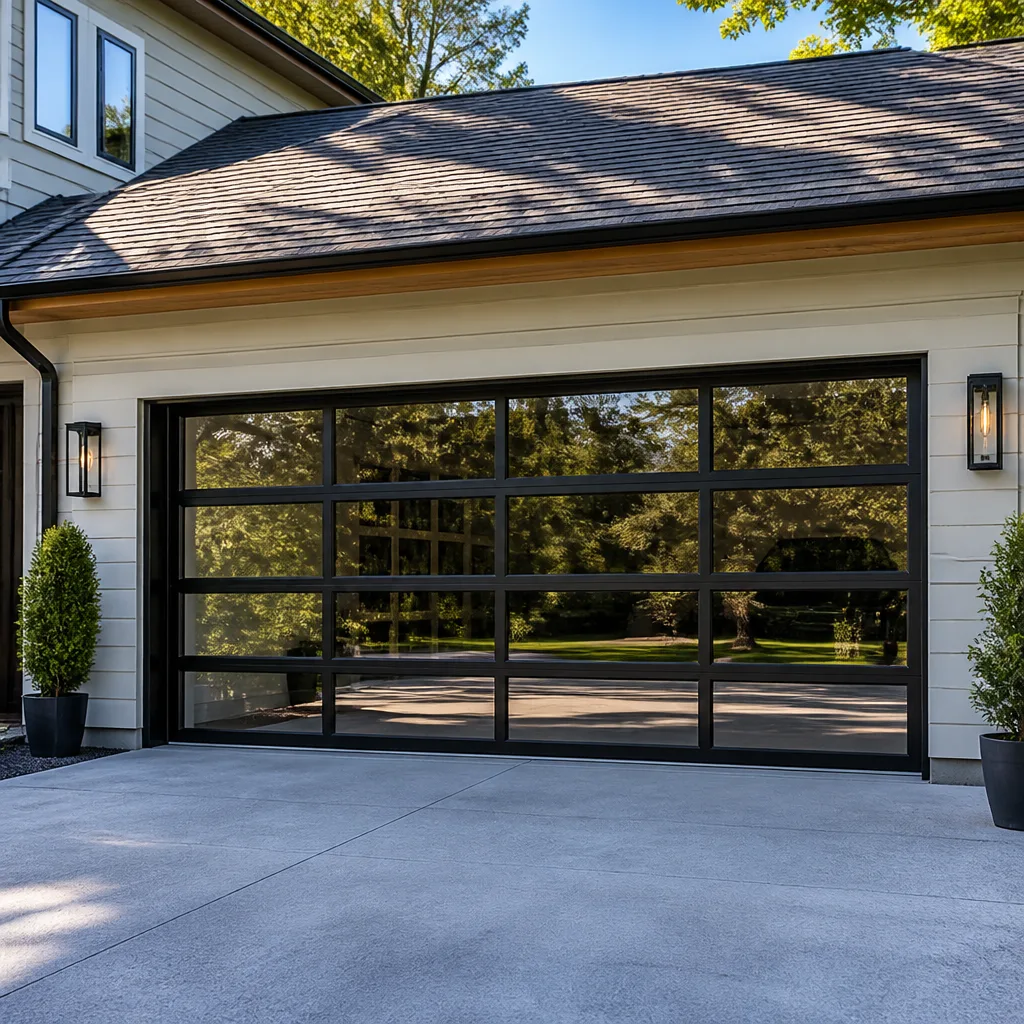 Full-view glass
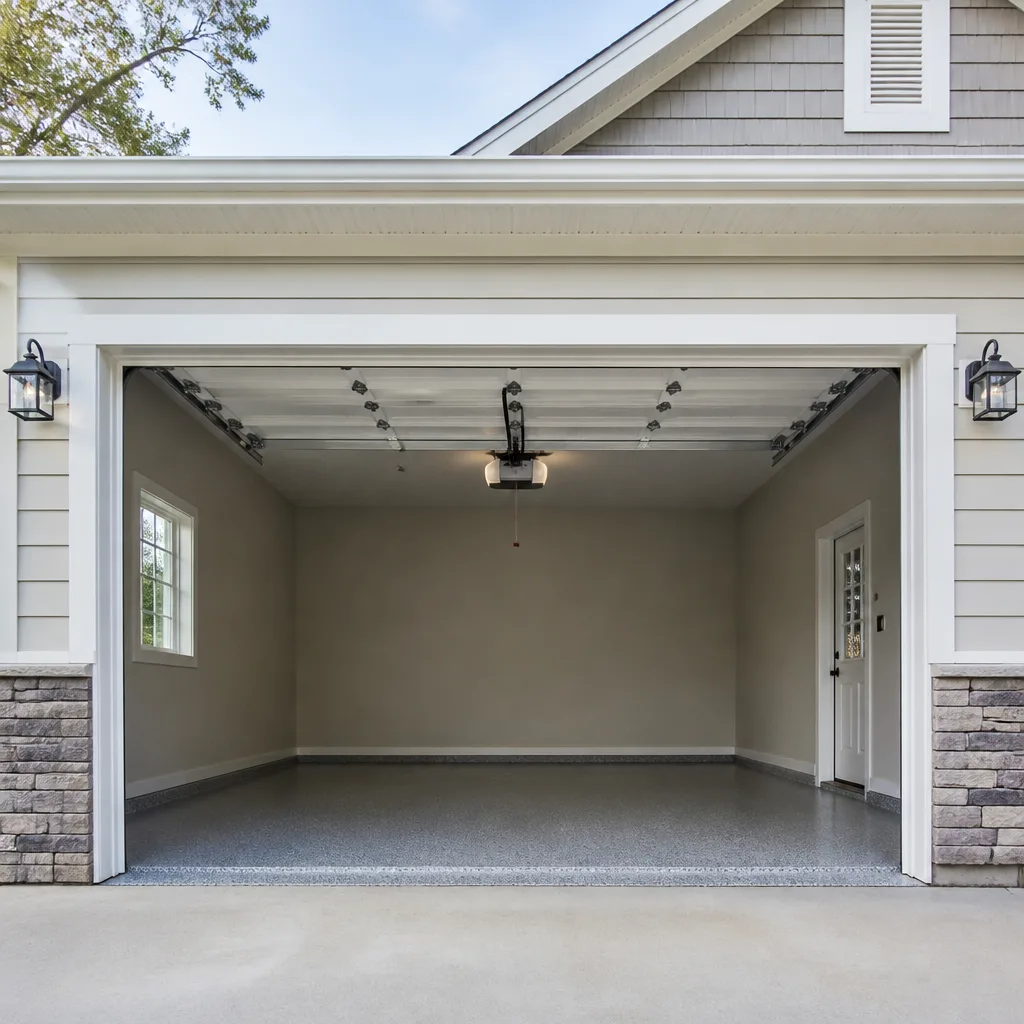 LiftMaster openers
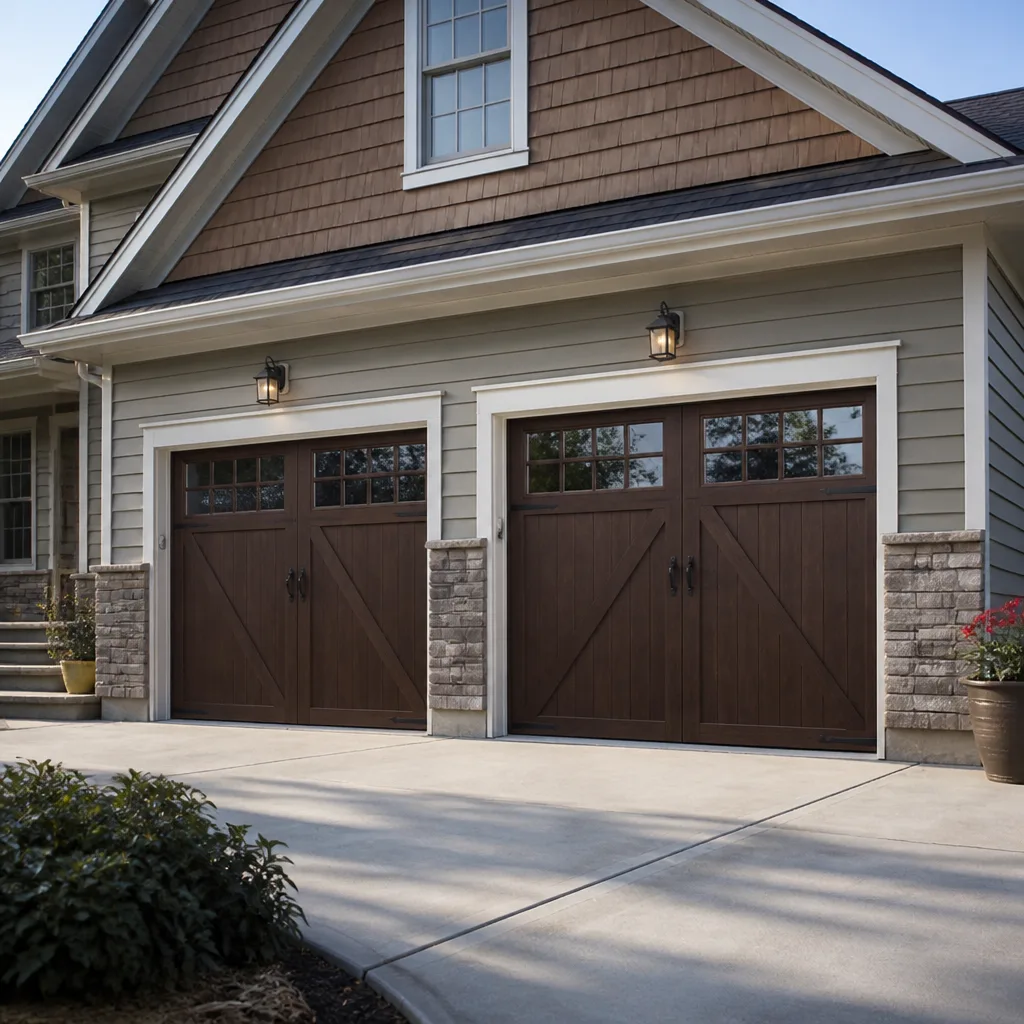 Chamberlain openers
Full 25-point door and opener safety check with every visit - springs, cables, rollers, tracks, and your LiftMaster or Chamberlain opener included
You get a price before we start. It does not change when the pro arrives.
Get your free estimateGarage Door Repair Maintenance Checklist for Homestead Homeowners
Most of the garage door maintenance checklists that get shared around online were written for climates with freezing winters. They’ll tell you to watch for ice in the tracks and frost on the springs. Helpful in Minnesota. Almost useless in Homestead, where the door never sees a freeze and the real enemies are different: salt-laden humidity working on bare steel, relentless ultraviolet light eating through rubber seals, and hurricane-season wind loads that put every piece of mounting hardware to the test. This guide is the checklist we’d actually hand a Homestead homeowner. It covers what to inspect, how often the humid climate really demands lubrication, what a 5-minute look costs you in time versus what warrants a service call, and how to prep the whole system before storm season. If you’d rather have a specialist walk the door, we’re Homestead Garage Door Repair Co, and we do this every day.
Quick Answer
A garage door in Homestead should be inspected monthly for alignment and unusual noise, lubricated every 2 to 3 months rather than the once-a-year national guidance, and given a full pre-hurricane-season hardware check before June. The tasks homeowners can safely handle are visual inspection, lubrication of moving parts, and testing the safety reverse; spring, cable, and high-tension hardware work should always go to a trained technician. Below is the complete checklist, with time estimates for each task.
Styles & brands we work with
- Raised-panel steel
- Carriage house
- Modern flush
- Full-view glass
- LiftMaster openers
- Chamberlain openers
Table of Contents
- Why a Homestead Checklist Looks Different
- The Monthly Five-Minute Visual Check
- How Often to Lubricate in South Florida Humidity
- Rust and Salt-Air Corrosion: Where to Look
- UV and Heat Damage on Seals and Panels
- Hurricane Season Prep Checklist
- Safety Tests Every Homeowner Should Run
- Time-Per-Task Breakdown: DIY vs. Call a Pro
Why a Homestead Checklist Looks Different
The standard garage door maintenance list you’ll find on most manufacturer sites assumes a cold-winter climate. That’s not Homestead. Here the door lives in year-round warmth and humidity, and the failure modes follow from that. Steel oxidizes faster when the air holds moisture much of the year. Rubber and vinyl weatherstripping breaks down under strong sun. And because this is South Florida, the door also has to function as part of a wind-rated building envelope, which means the hardware that holds it in place matters as much as the door itself.
So the checklist shifts. Where a cold-climate list might emphasize seasonal freeze protection, ours emphasizes three things:
- Corrosion control on every exposed fastener, bracket, and shaft end.
- UV and heat degradation on seals, hinges, and finished panels.
- Hurricane hardware integrity so the door still braces and seals the way it was rated to.
None of that means ignoring the basics. Tracks still need to be straight, rollers still need to be sound, and the opener still needs a working safety reverse. What changes is the emphasis and the frequency. A door in Homestead is under stress most of the year, not just in one season, and the maintenance rhythm should reflect that. If you’re already noticing noise or a door that hesitates, that’s a maintenance signal, not a reason to ignore it until something breaks. Our garage door repair team can pinpoint the source quickly.
The Monthly Five-Minute Visual Check
You don’t need tools for this. You need five minutes and a flashlight, and you should make it a habit once a month. The point is to catch small problems while they’re still small. Here’s what to look at, in order:
- Step back and look at the door. Stand outside and check that the door sits evenly in the opening. A gap at one corner or a visible tilt means the door is out of balance.
- Check the tracks. Run your eye down both vertical and horizontal tracks. Look for dents, bends, or anything loose. Tracks should be straight and tightly fastened.
- Look at the rollers. Worn rollers look flat-spotted, cracked, or chipped. They should be round and seated in the track.
- Check the hinges and bottom bracket. Look for rust streaks, loose screws, or visible wear. (More on corrosion in a dedicated section below.)
- Inspect the weatherstripping. Look at the bottom seal and the sides. Cracks, brittleness, or gaps mean replace-it time, not ignore-it time.
- Listen. Open and close the door. A clean door sounds steady. Grinding, squealing, popping, or a door that jerks means stop and call.
Write down anything that looks off. A small note today saves a guess later if it gets worse. If something in this list looks clearly wrong, garage door opener repair and hardware issues are worth having looked at before a minor fault turns into a stuck door. This monthly pass is the foundation of everything else on the checklist.
How Often to Lubricate in South Florida Humidity
Most national guidance says lubricate your garage door once a year. In Homestead, that’s too infrequent. Humidity accelerates wear on moving metal, and a door that runs smooth in a dry climate can start to squeak and stiffen within a few months here. We recommend lubricating every 2 to 3 months, and more often if the door gets heavy daily use or you notice noise returning sooner.
Here’s what to lubricate and what to leave alone:
- Lubricate: hinges, rollers (the stems, not the wheels), the torsion spring coils lightly, the bearing plates, and the lock/latch mechanism if you have one.
- Do not lubricate: the tracks themselves. Grease in the tracks attracts dust and grit, which turns into a grinding paste. Wipe tracks clean with a dry cloth instead.
- Use the right product: a lithium-based or silicone spray, or a proper garage door lubricant. Don’t use cooking oil or WD-40 as a long-term solution; they attract dirt or evaporate.
A quick lubing pass takes about 15 minutes. The catch is knowing what not to touch: the torsion spring and cable assembly are under extreme tension and are not a DIY item. Spraying the springs lightly from a safe distance is fine. Adjusting, unwinding, or removing anything on the torsion shaft is not. That’s exactly the kind of work our garage door spring repair specialists handle with the right tools and safe procedures.
Rust and Salt-Air Corrosion: Where to Look
This is the section most checklists skip entirely. In Homestead’s humid, salt-influenced air, bare metal on a garage door takes a beating that a dry-climate door never sees. Within a few years, unprotected fasteners and brackets can start to rust, and that rust does two things: it weakens the hardware and it seizes the moving parts that should pivot freely. Three spots deserve a specific monthly look:
Bottom brackets
The bottom brackets sit low on the door, close to the ground where humidity pools. They also carry the cable tension, which makes them a critical safety component. Look for rust streaks, flaking paint, or a bracket that’s visibly corroded. Never loosen a bottom bracket to check it; the cable is under high tension. Visual inspection only.
Hinges
Hinges pivot with every open and close, and once they rust and stiffen, the door strains. Check each hinge for surface rust. Light surface rust on a hinge can often be cleaned and lubricated, but a hinge that’s eaten through means a replacement.
Torsion shaft ends and bearing plates
The torsion shaft runs across the top of the door. Check the exposed ends and the bearing plates for rust and for metal shavings (a dry bearing leaves grit behind). A rusty, dry bearing plate will squeal and eventually fail. This is look-only territory; leave the shaft itself to a technician.
Our spring and hardware specialists keep an eye on these exact points on every service call. If you’re seeing rust on more than one or two fasteners, it’s worth a professional look before the corrosion spreads to a part that’s expensive to replace. If you’d like to know what hardware repair typically involves, a free estimate lays out what your door needs.
UV and Heat Damage on Seals and Panels
Garage doors in Homestead don’t just deal with heat; they deal with year-round, high-angle sun that dries and cracks rubber and vinyl faster than in nearly any other part of the country. The weatherstripping and bottom seal are the most vulnerable. Here’s what to check and how often:
- Bottom seal: Run your hand along it (carefully, from a safe spot) and look for cracks, crumbling, or a seal that’s pulling away from the door. A failing seal lets in water, insects, and hot air, and it weakens the door’s weather-tight closure. Often a small fix, but easy to catch late.
- Side and top seals: Look for hardening, curling, or gaps. These break down faster on the side that faces the sun most of the day.
- Painted panels: On steel doors, sun and heat can cause paint to chalk, fade, or peel on the sun-facing side. On wood or composite panels, look for cracks and lifting finish. A well-sealed Clopay or Amarr steel door will hold up well here with a bit of attention to the finish.
- Threshold and sweep: The threshold at the floor level attracts blowing rain and sun; check that it’s intact and sealing properly.
Weatherstripping is one of the cheapest parts on the door and one of the most overlooked. Replacing cracked seals is a job many homeowners can manage on their own, but if the door has warped or the seal won’t seat properly, the door may need adjustment. Those are the moments a specialist visit saves you a headache later. Check the seals at the start of every season and again midyear.
Hurricane Season Prep Checklist
Hurricane season is not a surprise in Homestead. It’s a calendar event. Smart homeowners run a specific hardware check before June, not after the first storm alert hits the news. Here’s the pre-season checklist, and it’s best handled before the season starts rather than during a scramble:
- Verify wind-load bracing. If your door has wind-rated reinforcement (a hurricane-rated door, or a braced standard door), confirm the bracing is intact, attached, and undamaged. Look at the mounting points and any center reinforcement struts. A braced system only works if all the hardware is present and tight.
- Check bottom seal integrity. A door with a compromised bottom seal lets in driven rain and wind. Confirm the seal is intact and the door closes fully against the floor.
- Test the manual release. This is the one that saves your whole plan. If the power cuts and the opener dies, you need the manual release to work. With the door closed and the opener disengaged, pull the release handle and manually lift and lower the door. The door should move and hold in place. Then re-engage it. If it’s hard to lift, stiff, or won’t hold, that’s a call.
- Test the opener’s battery backup if your opener has one. Many modern openers (LiftMaster and Chamberlain models among them) run a battery backup, which keeps the door usable during a power outage.
- Listen for strain. A door that sounds like it’s working hard in May could fail under stress in August. Address it now, not then.
Our Homestead garage door service handles pre-season hardware checks and can diagnose any part of the system you’re not sure about. If a storm does take something out, emergency service is available, and we treat it as the priority it is. When the door won’t move, we do.
Safety Tests Every Homeowner Should Run
Two tests matter more than all the others combined, and both take under a minute. Run them monthly.
The photo-eye (safety reverse) test
Most openers have a pair of sensors near the floor on each side of the door. With the door open, close it and wave an object (or your leg) through the beam. The door should immediately reverse. If it doesn’t, that’s a safety issue; stop using the opener and get it checked. On LiftMaster, Chamberlain, Genie, and Craftsman systems, the sensors are adjustable, but a failed or misaligned sensor needs a service tech to diagnose the root cause, not a guess.
The force (contact reverse) test
Place a piece of wood or a roll of paper towels on the floor under the door and close it. The door should reverse on contact. Some openers need the force adjusted after years of drift. If your door doesn’t reverse, don’t run it until you’ve had it looked at.
These two tests aren’t optional. A door that fails either one can injure a person or something in the driveway. Run them, and treat a failure as a repair priority, not a someday task. Our garage door opener repair team can check and reset the safety settings and get the door back to proper function.
Time-Per-Task Breakdown: DIY vs. Call a Pro
One of the things homeowners actually want from a checklist is a sense of what they’re getting into. Here’s a realistic time breakdown so you know which tasks are a quick glance and which ones justify a call.
- Monthly visual pass (5 min): Look at alignment, tracks, rollers, seals, and hinges. Fully DIY. No tools.
- Lubrication (15 min): Hinges, rollers, spring coils, bearing plates. DIY with a spray can and a rag.
- Weatherstrip inspection & replacement (30 min to an hour): Inspect in minutes; replacing a bottom seal is a manageable DIY if the door is in good shape.
- Safety reverse + force tests (1-2 min): DIY. If either fails, stop and get it checked.
- Balancing test (5 min): Disengage the door and lift it manually to half height. It should stay put. If it slams down or won’t hold, that’s a technician’s call.
- Hurricane hardware check (30-45 min): Visual inspection and manual release test are DIY; a full wind-load bracing assessment is best done by a professional.
- Spring, cable, or bracket work: Not a DIY task. Call a specialist. The torsion spring and cable hold tremendous tension and can cause serious injury if handled without training and tools.
Weighing the time savings? A lot of what’s on this list is ours for a service call, and we’re happy to handle it. But a homeowner who does the visual and lubrication passes is a homeowner who catches problems early, which means fewer emergencies and less cost in the long run. Repair first, replace only when it makes sense, and that decision gets easier when you have an expert view.
Common Mistakes to Avoid
- Lubricating the tracks. Grease plus grit equals grinding paste. Tracks should be wiped clean, not greased, so don’t treat them like a hinge.
- Skipping the humidity-schedule lubrication. Applying the once-a-year national recommendation in a humid climate is too little. Go every 2 to 3 months in Homestead.
- Trying to adjust or remove springs, cables, or the bottom bracket. This is the single most dangerous mistake on the list. The torsion spring is under extreme tension and can cause serious injury; leave it to a trained technician.
- Ignoring a failing bottom seal. A small cracked seal lets in water and air and weakens the door’s closure. Replace it before it becomes a bigger problem.
- Assuming the hurricane bracing is fine because the door “looks okay.” Wind-load bracing has to be checked at the hardware, not at a glance from the driveway.
- Putting off the safety reverse fix. A door that doesn’t reverse can hurt someone. It’s a stop-and-repair situation, not a someday task.
- Running the door after hearing a new noise. Squealing, grinding, or popping means something is degrading. Running it anyway can turn a small fix into a bigger repair.
We work on the full range of brands in this market. Whether your door is a Clopay or Amarr steel door with a Chamberlain opener, or a Wayne Dalton or Craftsman setup, the maintenance logic is the same, and a trained eye can spot the failure points specific to your hardware. That’s where garage door repair knowledge earns its keep.
See the difference
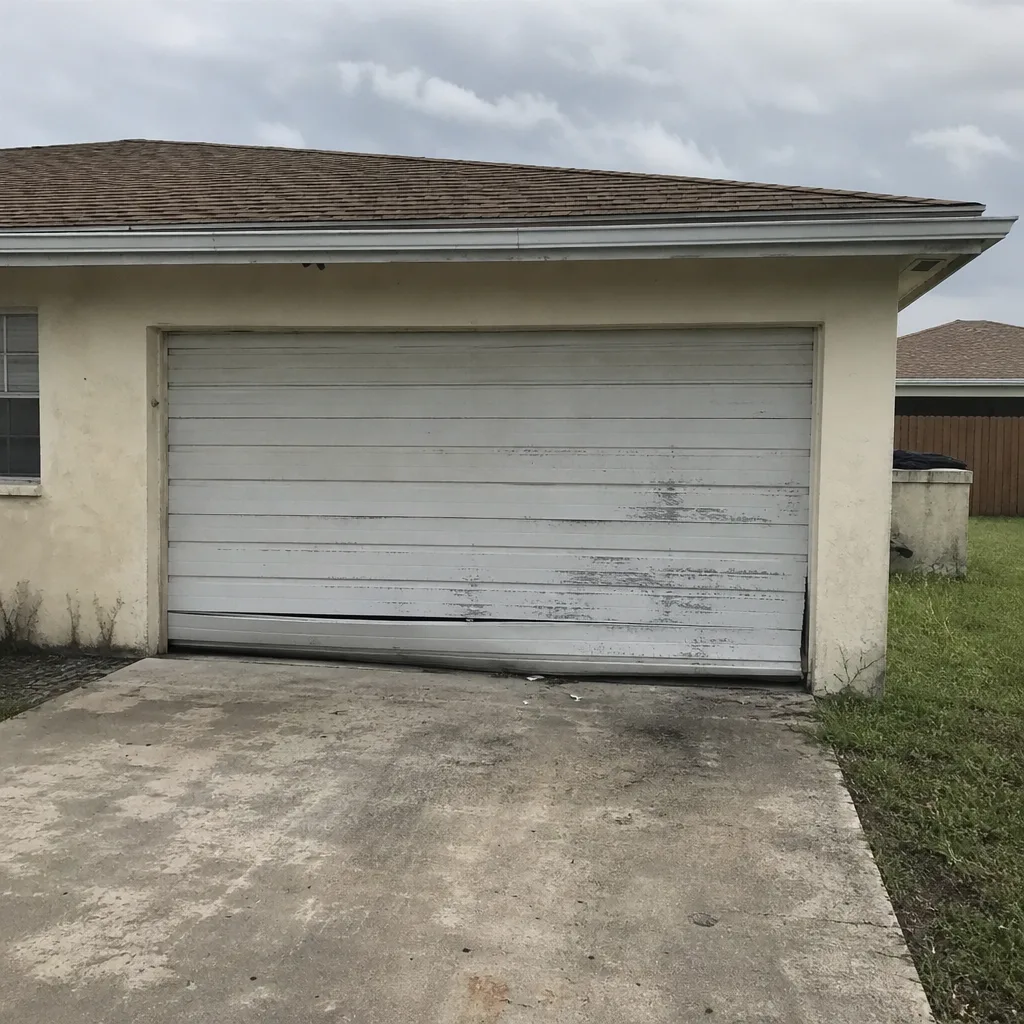 Before
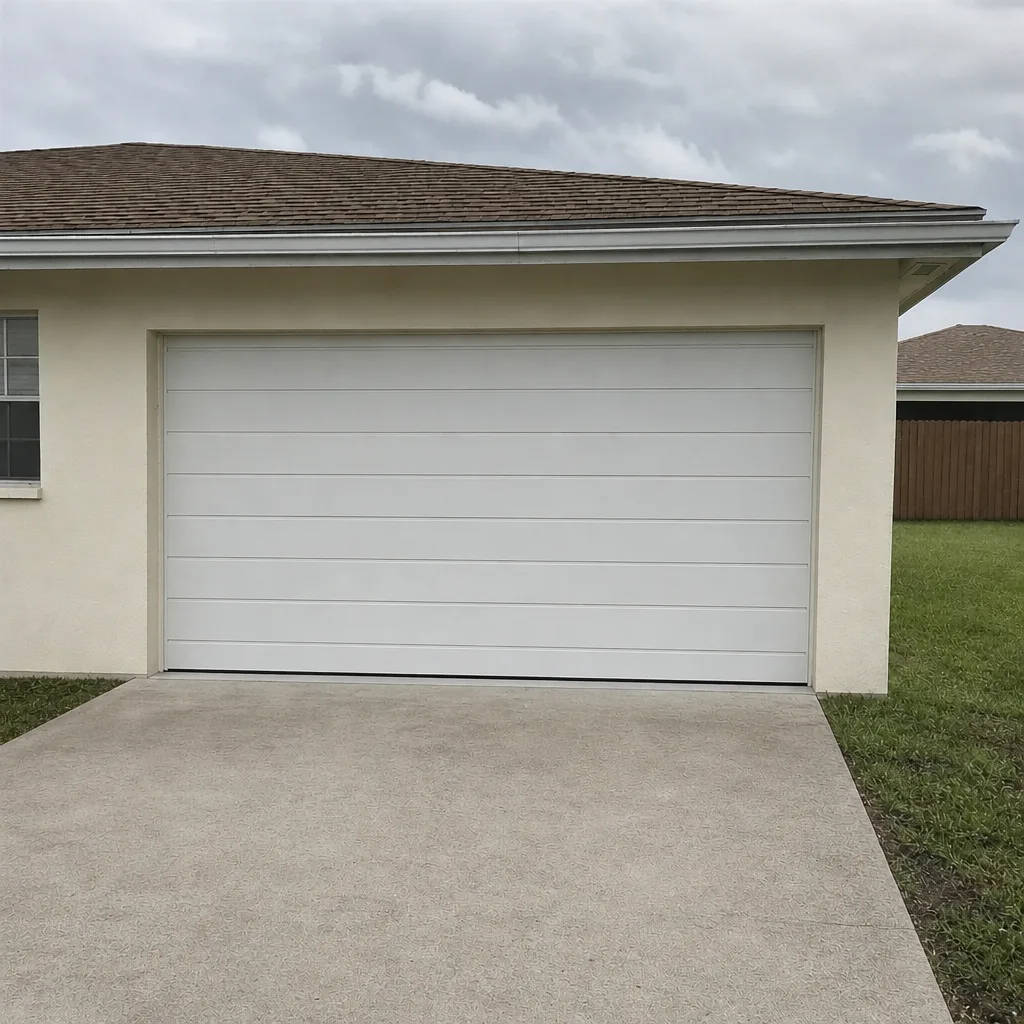 After
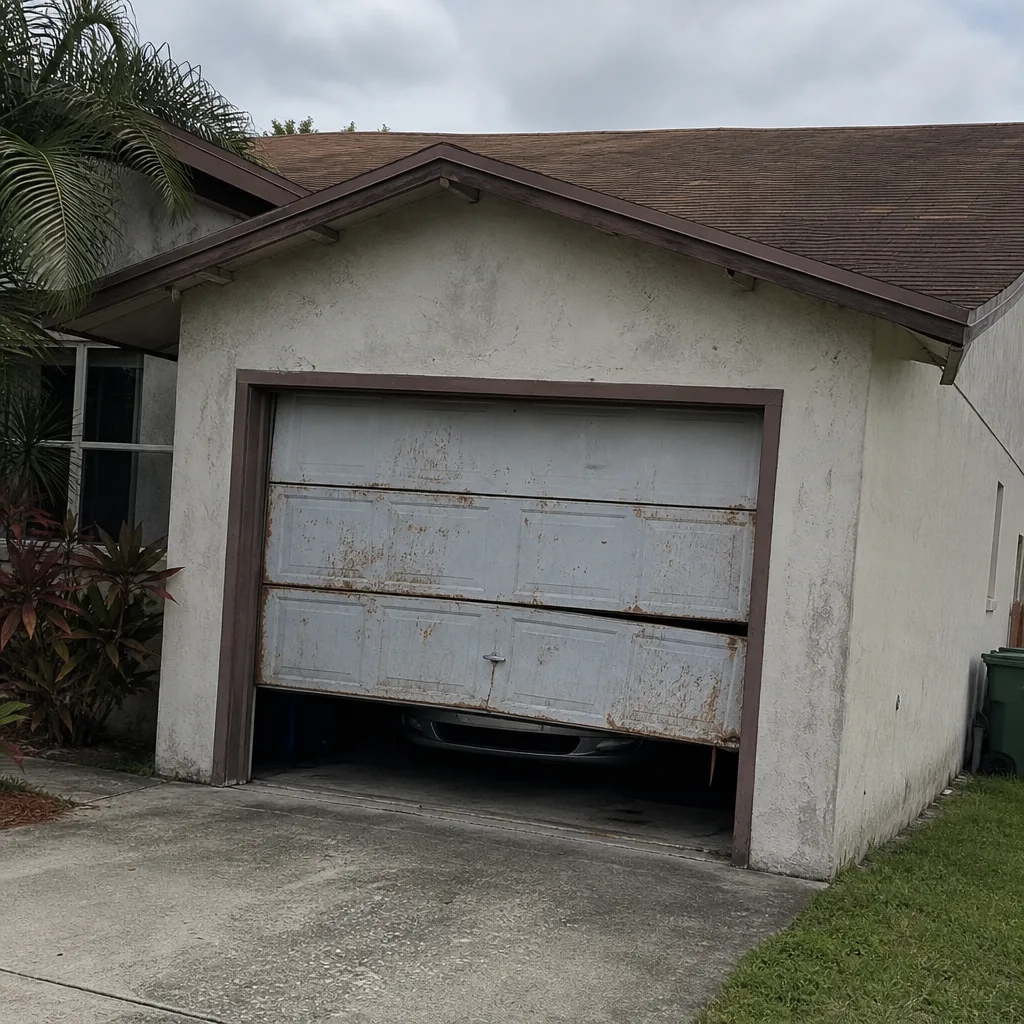 Before
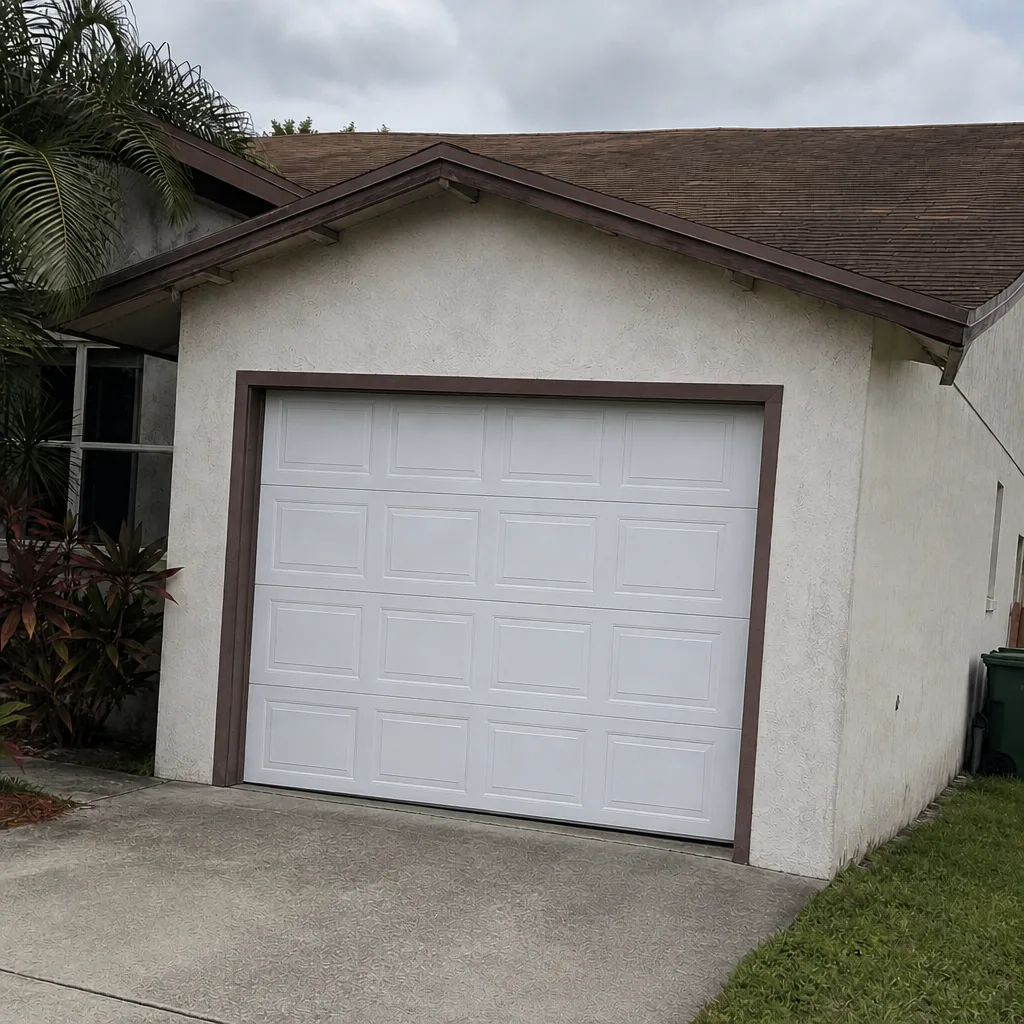 After
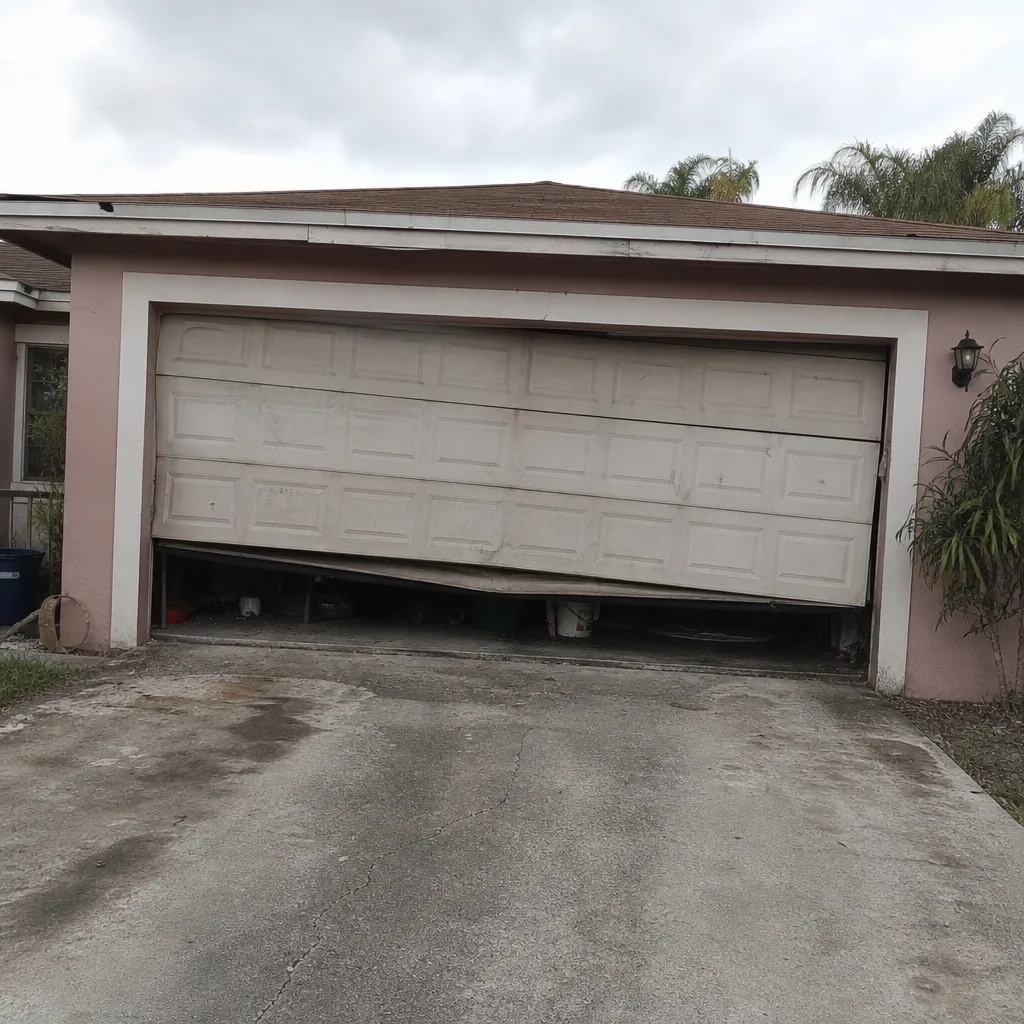 Before
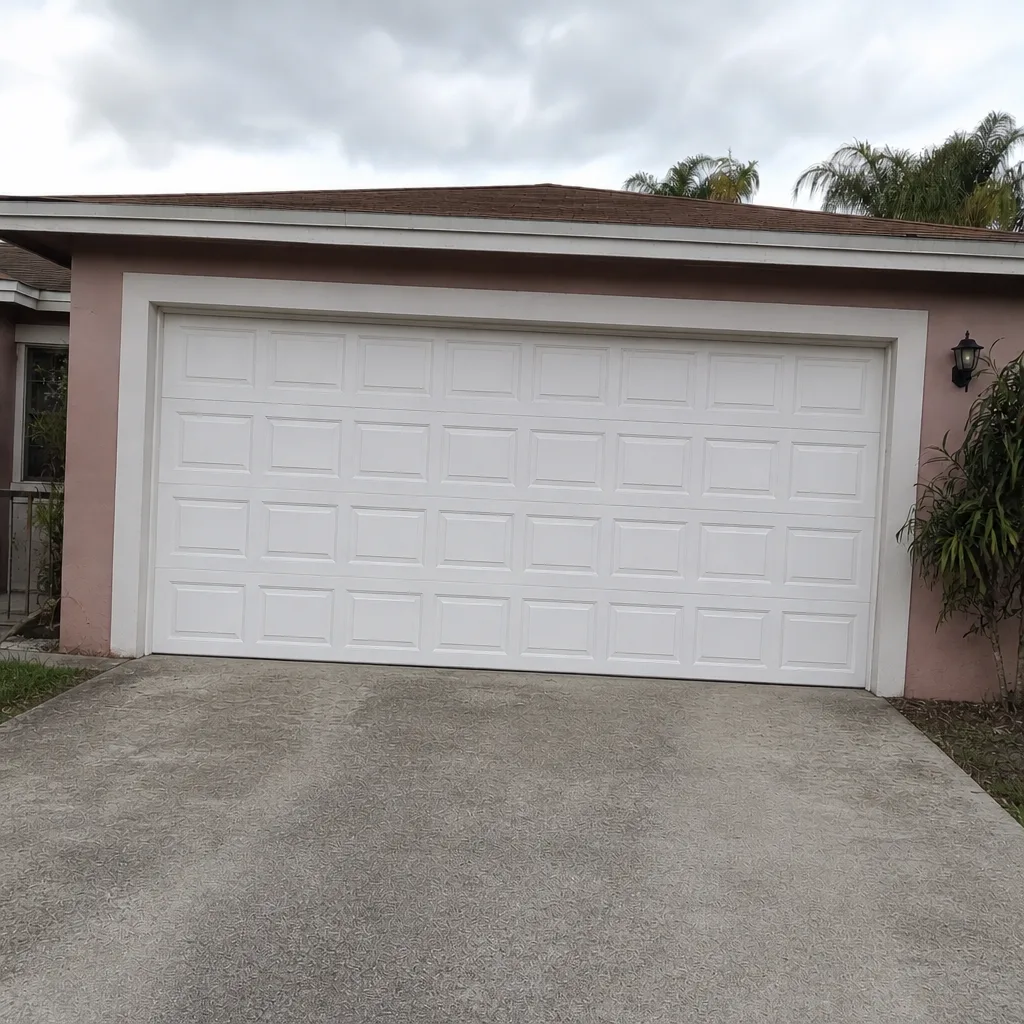 After
When to Call a Professional
Some tasks are DIY. Some are not, and knowing the line is the whole point. Call a professional when: you see a broken or stretched spring; the cables look frayed, kinked, or clearly under abnormal tension; a hinge or bottom bracket is loose, bent, or showing deep corrosion; the door is sagging, crooked, or won’t stay level; the safety reverse fails after a quick fix attempt; or you hear grinding, popping, or a door that jerks or slams. If a hurricane hardware check turns up anything compromised, that’s a call, too. And any time the door won’t move at all, stop forcing it. We’re a specialists’ shop with trained technicians (up to 14 years of experience) and we work on the major brands, including Amarr, Clopay, Wayne Dalton, and Craftsman. Homestead Garage Door Repair Co offers free estimates in Homestead – call (866) 680-1175.
Frequently Asked Questions
Every 2 to 3 months, not once a year. The humid air here accelerates wear on metal parts, and skipping lubrication lets hinges, rollers, and bearing plates stiffen and fail faster. Focus on hinges, rollers, spring coils, and bearing plates, and keep grease off the tracks.
Yes. The torsion spring and cable are under extreme tension, and adjusting or removing them without training and tools can cause serious injury. Light surface cleaning and a spray of lubricant on the coils from a safe distance is fine, but any adjustment or removal should go to a trained technician. Our garage door spring repair specialists handle nothing else that day; this is the highest-risk part of the trade, and that’s why it’s a specialty. Call (866) 680-1175 for a free estimate.
Verify your wind-load bracing is intact and your manual release works with the power off. Then check the bottom seal and confirm the opener’s battery backup (if present) is functioning. A stiff door or loose hardware in June could be a real problem in August, so address it early.
South Florida’s year-round sun and heat break down rubber and vinyl faster than most climates. That’s why we recommend inspecting the bottom seal and side seals every season, not just once a year. Cracked seals let in rain, insects, and heat, and replacing them is a quick, low-cost fix. Call (866) 680-1175 if you want the seals checked during a service visit.
You can align the sensors if they’ve simply been bumped, but if the door still fails to reverse, stop using it and call a professional. A failed safety reverse is a real hazard, and the fix needs someone who can identify whether it’s the sensor, the opener, or the wiring. Estimates are free.
Look for visible reinforcement struts on the door and check the mounting hardware for loose or missing parts. If you’re unsure, a professional can assess whether the bracing is intact and whether the door still meets its rated wind-load purpose. Call Homestead Garage Door Repair Co at (866) 680-1175 to book a free estimate.
The Bottom Line
A garage door in Homestead needs a maintenance rhythm built for humidity, sun, and hurricane season, not a cold-climate template. The core actions: a monthly visual pass, lubrication every 2 to 3 months, a pre-season hardware and manual-release check, and two safety tests run without fail. Do the safe tasks often enough and you catch problems while they’re small. Leave the springs, cables, and brackets to a professional, and keep the door working the way it was rated to. If it’s time for a real evaluation, call Homestead Garage Door Repair Co at (866) 680-1175 for a free estimate. We repair first, replace only when it makes sense, and we keep the door back to working order.
Book Your Garage Door Maintenance Check
Homestead Garage Door Repair Co is a garage door specialty company, not a general handyman operation. We handle repair, spring service, opener repair, and full installation, and we work on LiftMaster, Chamberlain, Genie, Clopay, Amarr, Wayne Dalton, Craftsman, and Raynor systems. Our technicians have up to 14 years of experience, and we treat emergency service as a core part of the job. When the door won’t move, we do. For a free estimate on maintenance or repair, call us today at (866) 680-1175. The price is quoted and agreed before any work starts.
Written by the team at Homestead Garage Door Repair Co.