Last updated November 22, 2026
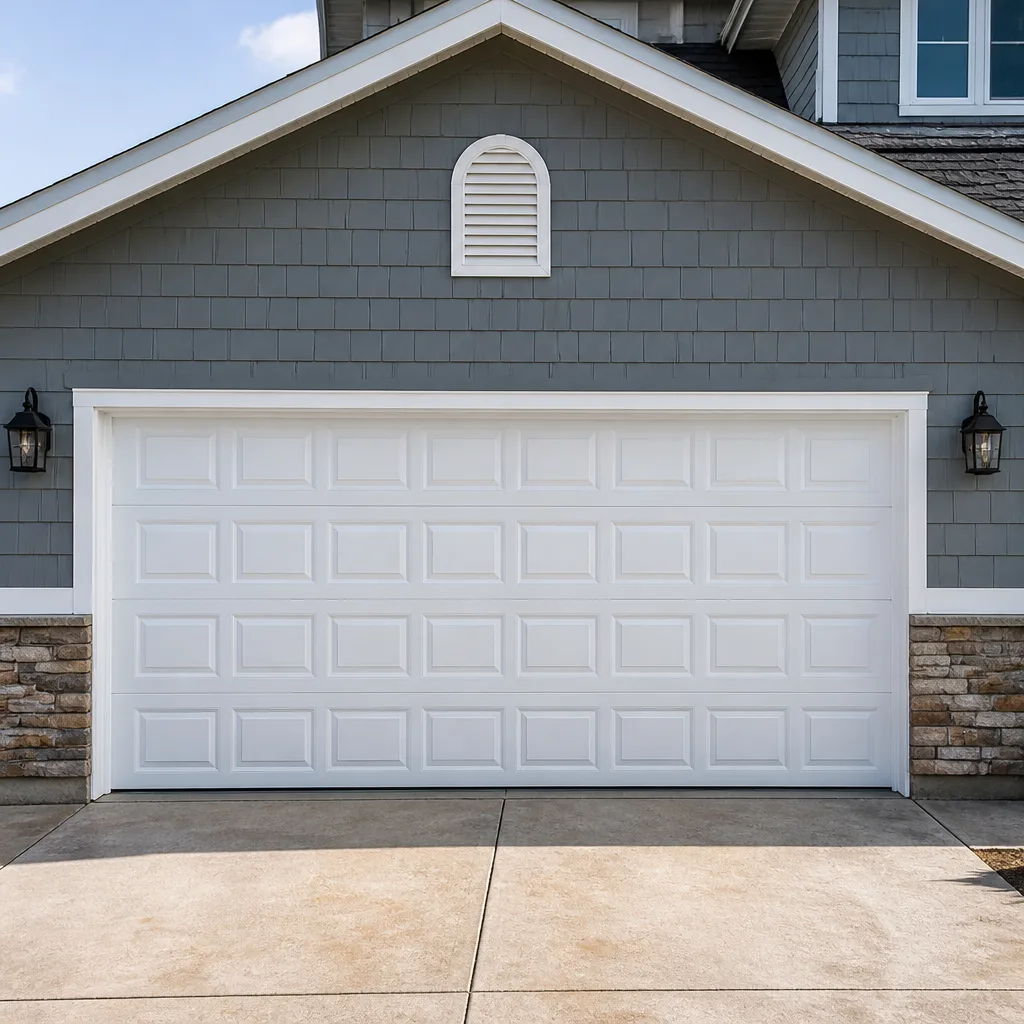 Raised-panel steel
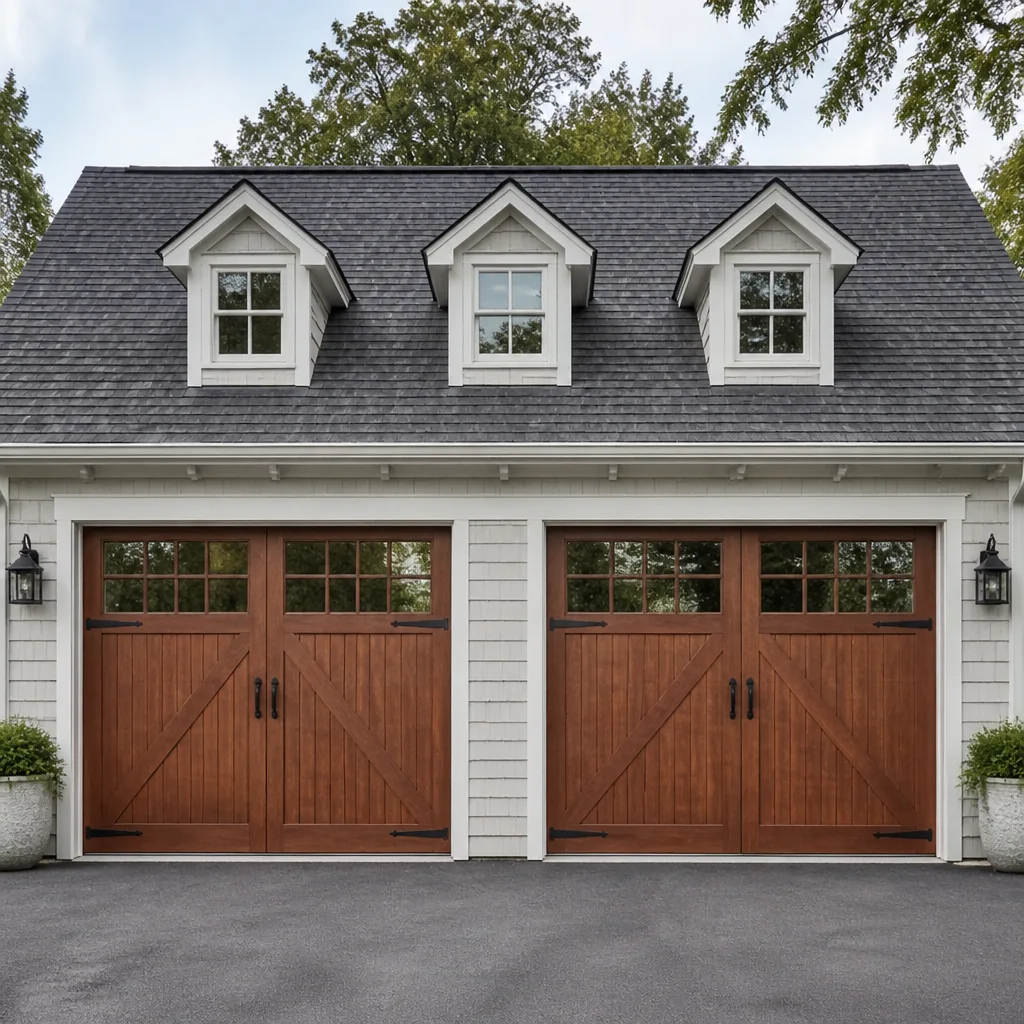 Carriage house
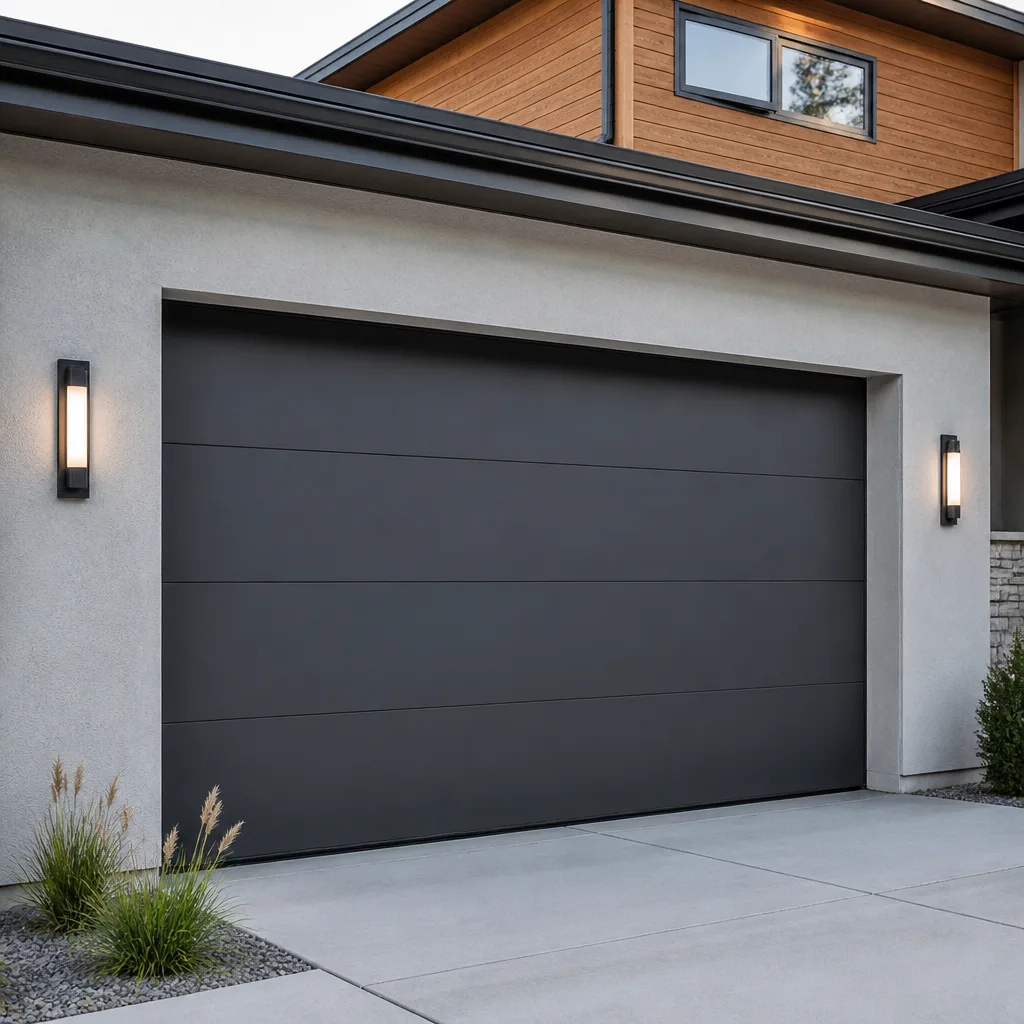 Modern flush
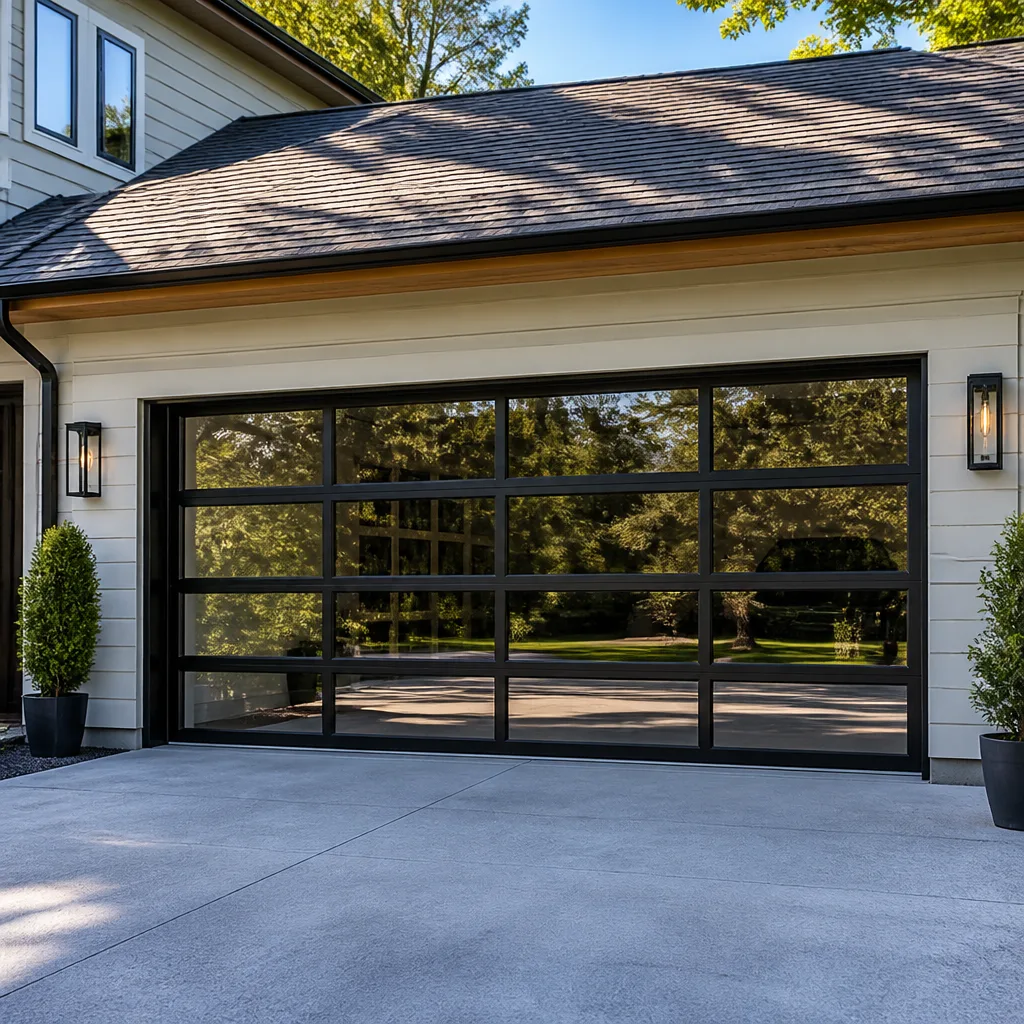 Full-view glass
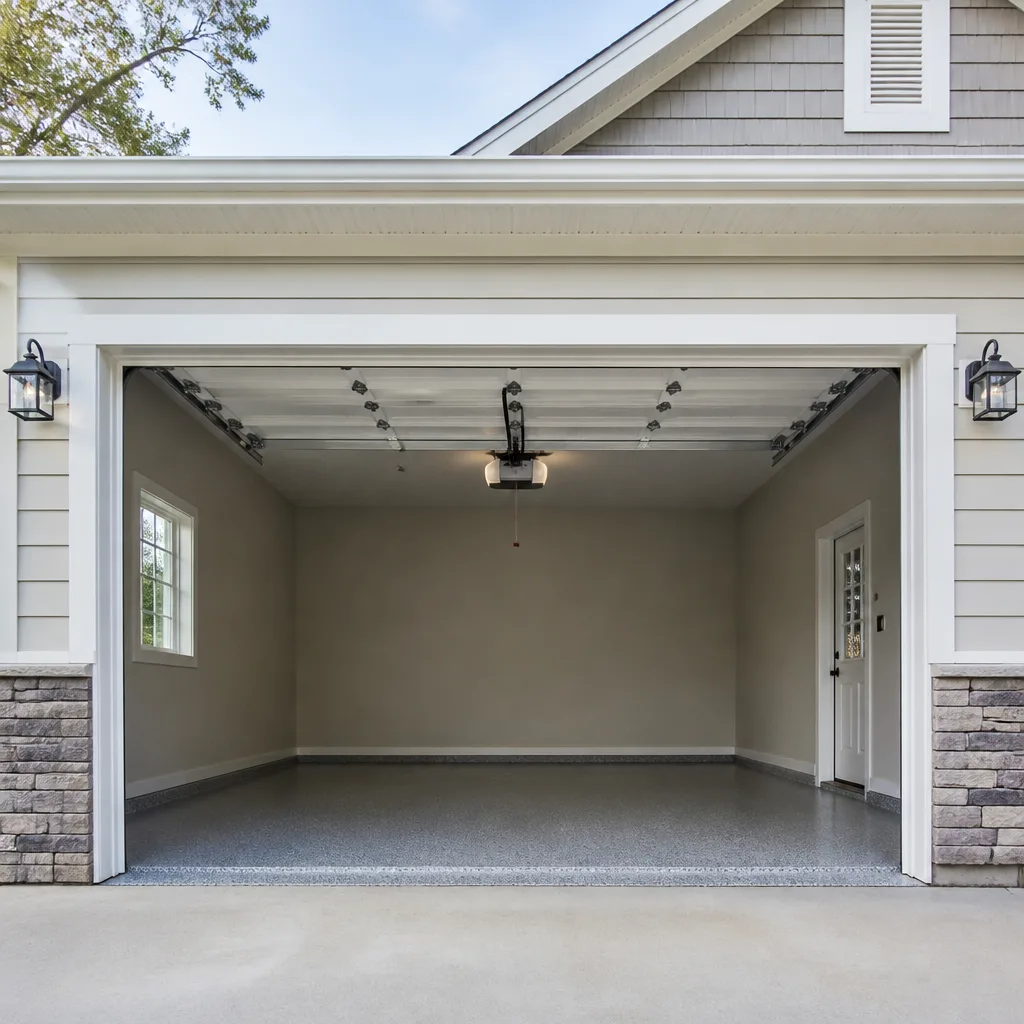 LiftMaster openers
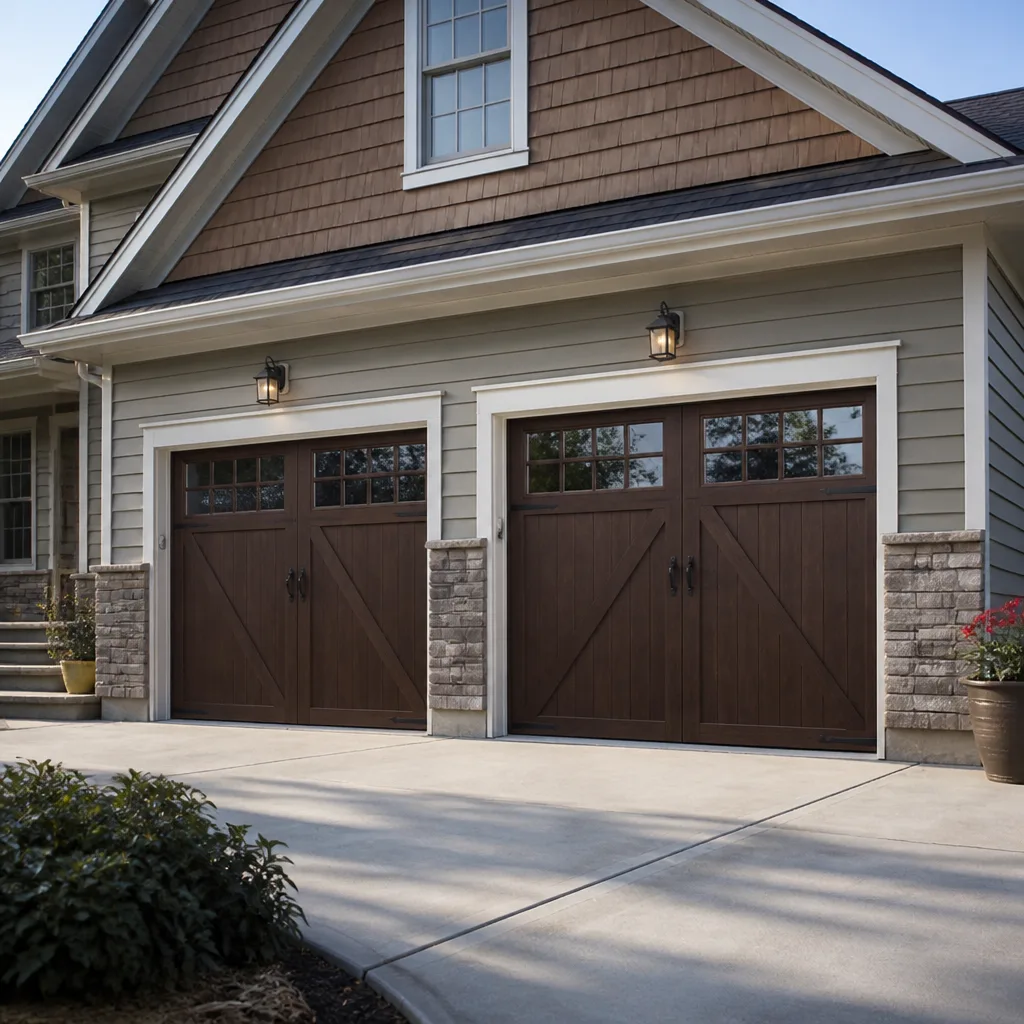 Chamberlain openers
Full 25-point door and opener safety check with every visit - springs, cables, rollers, tracks, and your LiftMaster or Chamberlain opener included
You get a price before we start. It does not change when the pro arrives.
Get your free estimateGarage Door Warning Signs: A Homestead Homeowner’s Reference Guide
A garage door in Homestead can pass a visual “does it go up and down” test and still be one humid afternoon away from a cable snap. That’s the part most homeowners miss. The signs that matter here usually aren’t in the door’s movement at all. They’re on the hardware: the thin film of rust spreading across a cable, the chalky cracks in a weather seal, the bracket that’s quietly loosened after a wet season. This guide covers what to actually look for in Homestead, how to tell surface wear from real danger, and which sounds and behaviors mean call now versus wait. Walk out to your garage with this in hand.
Quick Answer
In Homestead, the garage door warning signs that matter most are rust and corrosion on cables, springs, and brackets; a door that’s out of balance or won’t stay where you put it; grinding, popping, or squealing sounds; weather seals that are cracked, moldy, or compressed flat; and an opener that hesitates, reverses, or responds inconsistently. Any one of these is reason to stop using the door and get it inspected before something fails.
Styles & brands we work with
- Raised-panel steel
- Carriage house
- Modern flush
- Full-view glass
- LiftMaster openers
- Chamberlain openers
Table of Contents
- Rust and Corrosion: The Warning Sign Homestead Homeowners Miss
- Is Your Door Out of Balance? A Test You Can Do Safely
- Decoding the Sounds: Normal Noise vs. Mechanical Trouble
- Weather Seal Warnings Specific to South Florida
- Opener Behavior Flags: What’s a Reset and What’s a Failure
- Brackets, Hinges, and Rollers: The Small Parts That Fail First
- A Monthly Inspection Routine for Homestead Doors
Rust and Corrosion: The Warning Sign Homestead Homeowners Miss
Rust is the most underreported garage door warning sign in Homestead, and it’s the one that causes the most sudden failures. Year-round humidity, afternoon storms, and the way moisture settles into a garage that isn’t well ventilated all add up. The metal doesn’t announce that it’s weakening. It just slowly loses strength until a cable gives way or a spring breaks mid-cycle.
The trick is learning to tell surface rust from structural corrosion. They look similar in photos and nothing alike in person.
- Surface rust is a fine, powdery orange coating on the paint or galvanized finish. Wipe it with a dry cloth and the film comes off. The metal underneath is still smooth. This is cosmetic and slows down with cleaning and a coat of lubricant or paint.
- Structural corrosion looks pitted, flaky, or rough. The metal feels thinner when you press on it. On a cable, look for rust that has traveled into the wire strands themselves, not just the outside. On a bracket or hinge, look for rust creeping out from under a bolt or along a weld seam.
- Rust on the spring coil is a particular red flag. Garage door springs are under constant, heavy tension. Once rust begins to eat into the coil, the metal loses elasticity, and a spring that’s lost its temper can snap without warning.
Cables deserve their own look. A healthy lift cable is oiled, smooth, and evenly wound. A cable with rusted strands, fraying, or a kink is a cable that can fail during the next cycle. Never try to handle, cut, or unwind a cable or spring yourself. These are the highest-tension parts on the whole system, and they’re the reason our garage door spring repair service is handled as a dedicated specialty with proper tools and training.
In our experience working on doors across Homestead, coastal and inland properties in the same neighborhood can show very different rust patterns depending on garage ventilation and how often the door is used. If you’re not sure whether the rust you’re seeing is cosmetic or serious, a technician can tell you in a few minutes.
Is Your Door Out of Balance? A Test You Can Do Safely
An out-of-balance door is one of the most common warning signs we find, and it’s easy to test without tools. A balanced door should move smoothly and stay put when you let go at mid-travel. An unbalanced door fights gravity, drifts, or slams. That extra stress wears out the opener faster and is a warning that a spring or cable is already compromised.
Here’s the safe way to check, using the manual release only when the door is fully closed:
- Close the door completely and disconnect the opener using the manual release cord.
- Lift the door by hand to about waist height. It should feel light and move without much effort.
- Let go. A correctly balanced door stays where you left it, or drifts only slightly.
- Slowly raise the door to shoulder height and stop. It should hold.
- Lower it gently and re-engage the opener only if it passed.
If the door drifts down on its own, the springs have lost tension. If it feels unusually heavy or won’t lift at all, a spring may have already broken. If it slams or drops fast, stop using the door. Do not try to adjust the springs to fix this. Garage door springs are the most dangerous part of the system, and adjusting them without the right tools is how people get seriously hurt. Call a trained professional instead. Our technicians have up to 14 years of experience and can rebalance the door and check the springs, cables, and opener in the same visit.
Do this test any time the door starts feeling different, and definitely after a stretch of heavy storms or a long period of disuse. A door that behaved normally last spring can feel sluggish by fall.
Decoding the Sounds: Normal Noise vs. Mechanical Trouble
Every garage door makes some noise. The question is which noise is normal and which is the door telling you something is about to break. In Homestead, humidity plays a role in sound because it changes how metal and rollers move against each other. A door that squeaks only in the wet season is often fine. A door that grinds every time is not.
Use this decoder the next time something sounds off:
- Soft, steady hum: Normal opener motor noise. Nothing to do here.
- Rattling or clunking: Loose hardware, worn rollers, or a hinge that’s working itself free. Usually inexpensive to fix, but it gets worse if ignored.
- Squealing: Metal-on-metal friction. Often dry rollers or hinges that need lubrication. If a quick lube doesn’t quiet it, a roller or bearing may be failing.
- Grinding: This is the one to act on. Grinding usually means the opener’s gears, a cable rubbing where it shouldn’t, or a roller seized in its track. Stop using the door and have it checked.
- Popping or snapping: Often a spring under stress or a cable jumping its drum. A sharp snap followed by the door refusing to lift is usually a broken spring. Don’t run the opener again.
- Banging at the top or bottom of travel: The door is hitting travel limits, or the opener is straining against an unbalanced door. Both stress the whole system.
Sound is one of the earliest signals you’ll get, and it’s free. If you hear something new, write down when it happens (on opening, on closing, mid-travel) and tell the technician. That detail saves diagnostic time and gets you back to working order faster. If the noise is paired with a door that won’t move at all, that’s the moment to skip the diagnosis and call for emergency service, because a door stuck open or closed is both a security gap and a hassle you don’t need to sit on.
Weather Seal Warnings Specific to South Florida
The weather seal is the strip that runs along the bottom of the door and up the sides. It’s easy to treat as a trim detail, but it’s the first line of defense for your garage against water, wind, insects, and humidity. In Homestead, the seal takes a harder beating than almost anywhere else on the door. Strong sun and heavy summer rain are both hard on rubber and vinyl, and they show up as specific, recognizable patterns.
Here’s what to look for and what each sign means:
- UV cracking: Sun-exposed seals develop fine cracks, then dry out and turn brittle. A cracked seal lets water in and stops sealing properly. On a Homestead door facing a hot afternoon sun, this can happen faster than most homeowners expect.
- Mold or mildew growth: Black or green spots on the seal usually mean moisture is trapped against the door. Mold on the seal itself is a symptom, but it also warns you that water is getting where it shouldn’t. Any soft, spongy spots on a door panel near the seal are worth a closer look.
- Compression failure: A seal that’s been pressed flat loses its spring and no longer touches the floor cleanly. Run a hand along the bottom gap on a closed door. If you can feel daylight or air moving through, the seal has failed, and wind-driven rain in a Homestead storm will find that gap.
- Lifted or uneven seal: If the seal gaps at one corner and presses hard at another, the door may be out of alignment or the tracks may be slightly off. That’s a door problem, not just a seal problem.
Seals are inexpensive to replace and worth replacing before a storm season. When we do a garage door repair in Homestead, we check the seal as part of the visit, because a door that opens and closes but doesn’t seal isn’t doing its real job. The garage door is your home’s largest moving barrier against the outside. A fallen or cracked seal is a quiet security and moisture issue long before it’s an obvious one.
Opener Behavior Flags: What’s a Reset and What’s a Failure
Openers fail in a range of ways, and not every strange behavior means the motor is dying. Some flags are simple resets. Others point to the motor, the logic board, or the safety sensors. Knowing the difference saves you money and a wasted service call. We service the major brands, including LiftMaster, Chamberlain, and Genie, which means we can diagnose the specific behavior on your unit instead of guessing.
Work through these one at a time:
- Door reverses immediately after touching the floor. Usually the safety sensors or the close-force setting, not the motor. Check that the sensors are aligned, clean, and unobstructed. If a reset doesn’t fix it, have it checked.
- Remote works sometimes, not others. Often a dead battery, interference, or a remote that needs re-pairing. Try a fresh battery and a re-pair first. If a second remote still acts the same way, the receiver or logic board is the likely culprit.
- Opener hesitates or stutters. Could be a worn drive gear, a failing capacitor, or a door that’s gone out of balance and is straining the motor. This one usually needs a technician.
- Wall button works but the remote doesn’t. Points to the receiver or remote, not the motor. Cheaper fix than a full opener replacement.
- Opener runs but the door doesn’t move. Often a broken spring, a snapped cable, or the manual release left engaged. Stop and check the manual release first. If that’s not it, the door needs service before the opener is used again.
When the diagnosis points to the opener, our garage door opener repair covers repair and replacement on major brands. The general rule is repair first, replace only when it makes sense. A logic board or a gear is a repair. A motor that’s given up on a door it can barely lift is a replacement conversation, and we’ll tell you which yours is.
Brackets, Hinges, and Rollers: The Small Parts That Fail First
Small hardware is where the climate does its quietest damage. Brackets, hinges, and rollers are exposed to humidity on every cycle, and they’re the first parts to loosen, rust, or seize. Most of them aren’t dangerous on their own, but a failed roller or a loose bracket puts uneven stress on the cables and springs, and that’s where the danger lives. Checking them takes a few minutes and is the cheapest preventive work you can do.
Look at these specific spots:
- Hinges: Rust bleeding from under the hinge pin, or a hinge that sags. Hinges carry the door’s weight between panels and shouldn’t move independently. If a hinge feels loose or gritty, it needs attention.
- Rollers: Wobble, flat spots, or a roller that doesn’t spin freely. Worn rollers cause the door to bind and the opener to labor. Plastic rollers are quieter and durable; steel rollers are more common on heavier doors.
- Brackets: Loose brackets cause the door to lean or the track to flex. Rust on a bracket holding a spring or cable is worth checking immediately, because brackets are the anchor point for the highest-tension parts on the door.
- Track: Look for bends, dents, or rust along the rail. A track that’s been knocked out of alignment will force the door to bind every time it moves.
- Bottom bracket and lift cables: Rust, fraying, or looseness here is the highest priority. Leave the actual inspection of the lift cables to a technician. The bottom bracket holds the cable under tension, and it’s not a DIY part.
Lubrication goes a long way on hinges and rollers. A door that gets a light lubrication pass a few times a year, with the right garage door lubricant, runs quieter and lasts longer. What you should never do is start adjusting or removing the cables, springs, or the brackets they attach to. Those are high-tension and unforgiving.
A Monthly Inspection Routine for Homestead Doors
A five-minute walk-around once a month is the best defense you have against surprise failures. It won’t catch everything, but it will catch the warning signs that matter most, and it turns a “the door just quit” call into a “the door is starting to rust” call, which is a much easier fix. Here’s a simple routine that fits the way Homestead weather works.
Run this once a month, and again after any stretch of heavy storms or when you come back from a long trip:
- Look at the door as it runs. Watch for wobble, jerky movement, or a door that doesn’t close flush.
- Listen. Note any new sounds and when they happen.
- Check the seal for cracks, mold, or daylight. Run a hand along the bottom gap on a closed door.
- Do the balance test with the door disconnected, as described above. Never place your hands near the springs, cables, or bottom brackets.
- Look at the hardware. Rust on springs and cables, loose brackets, seized rollers. Don’t try to fix the high-tension parts yourself.
- Test the safety sensors. Wave something in front of them; the door should stop or reverse.
- Test the opener and both remotes. Note hesitation or inconsistency.
Keep a short written log. What you saw, what you heard, and when. That log is surprisingly useful when you talk to a technician or decide it’s time to look at a full system upgrade. If you’re weighing whether to repair the door or replace it, our garage door repair and full installation service both live under the same roof, so you can get an honest comparison instead of a push toward the biggest ticket.
Common Mistakes to Avoid
- Ignoring surface rust until it’s structural. A little orange film on a bracket doesn’t hurt anything, but it won’t stay a film in Homestead humidity. Wipe, lubricate, and keep watching so it never reaches the spring.
- Trying to adjust or unwind a spring yourself. This is the single most common way homeowners get hurt. Springs hold enormous tension. Leave them to a technician.
- Assuming a noisy door is normal. A door that has always rattled doesn’t mean the rattle is fine. Loose hardware causes the cables and springs to work harder and fail sooner.
- Replacing the opener when the door is the problem. If the door is out of balance or a spring has broken, the opener isn’t the culprit. Diagnose the door first.
- Skipping the weather seal. A cracked seal isn’t cosmetic in Homestead. It lets in water and wind, and it can lead to panel damage over time.
- Running a door with a broken spring or cable anyway. Running the opener against a compromised door can bend the opener arm, damage the panels, and turn a repair into a replacement.
- Waiting for “a better time” when a door won’t secure. A door stuck open leaves your home exposed. That’s the emergency scenario we prepare for, because a broken door doesn’t respect a convenient schedule.
See the difference
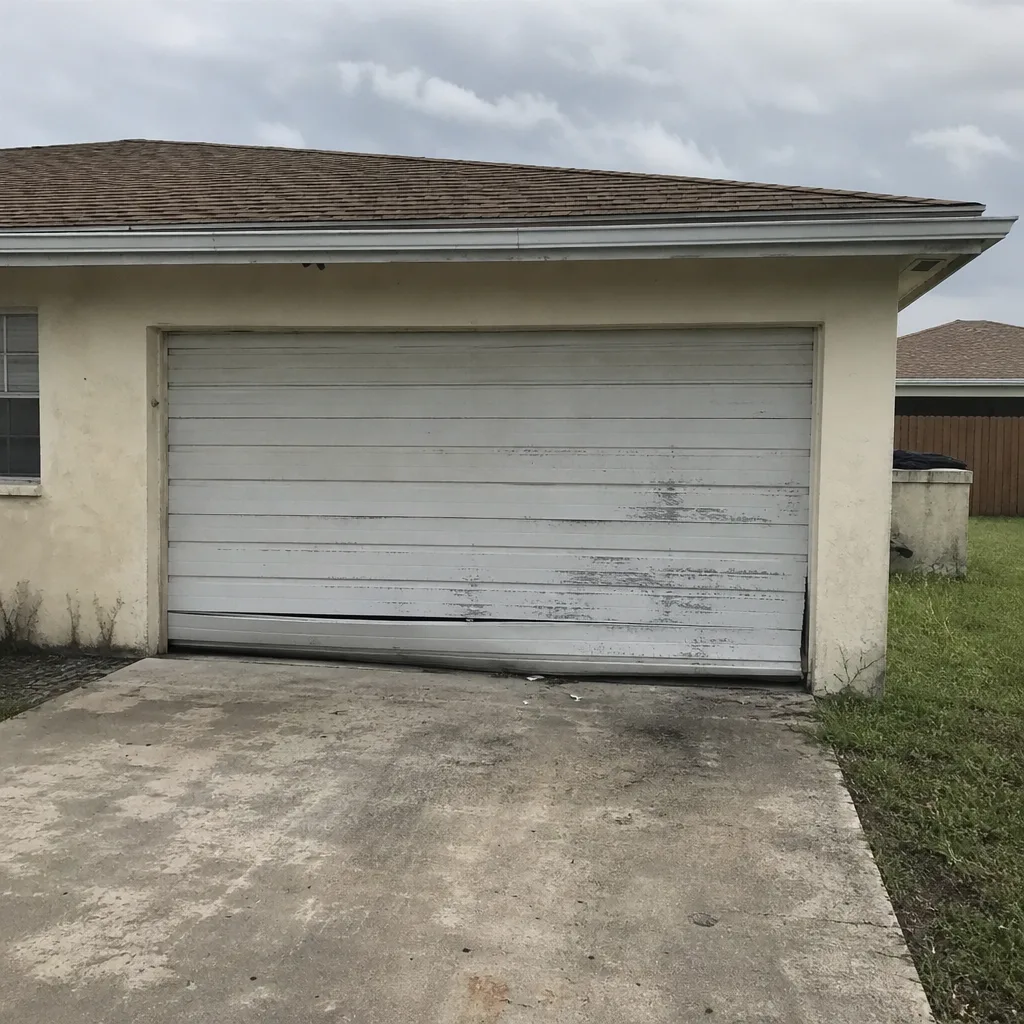 Before
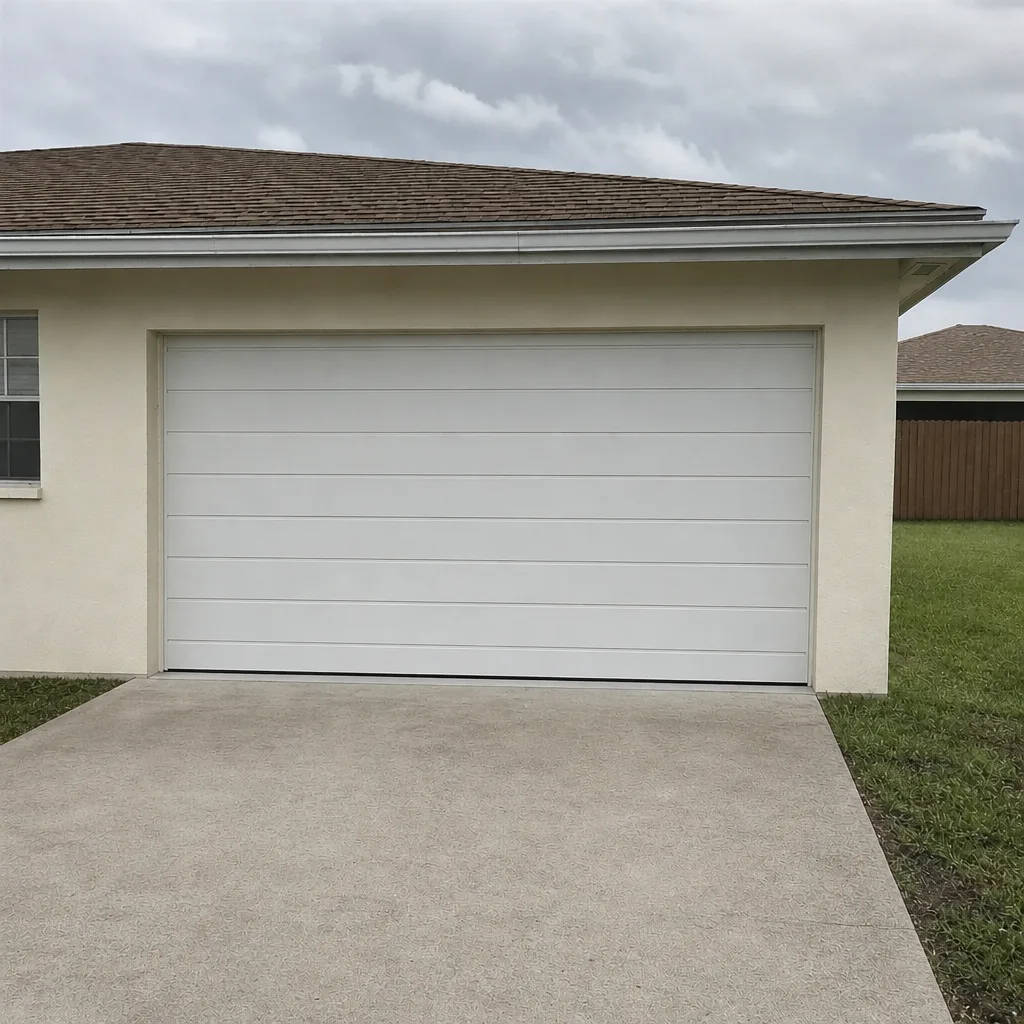 After
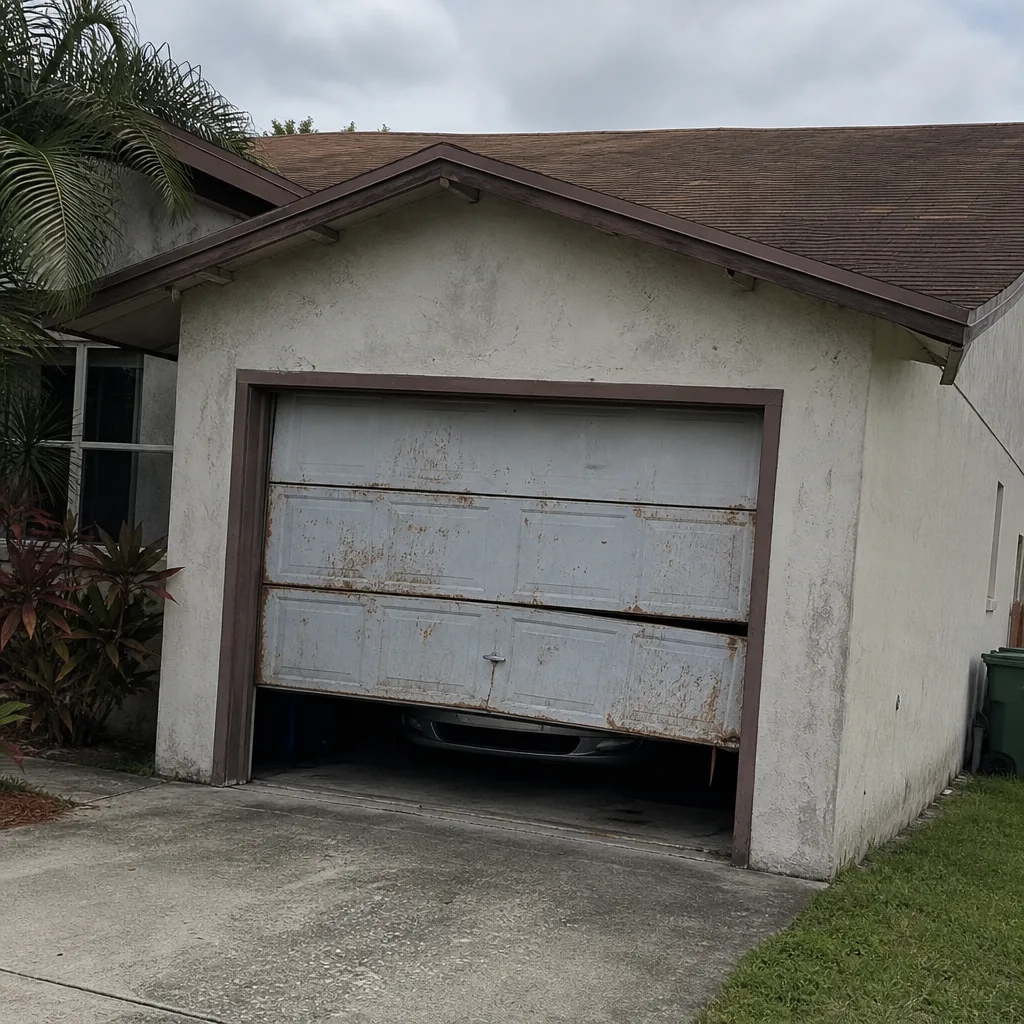 Before
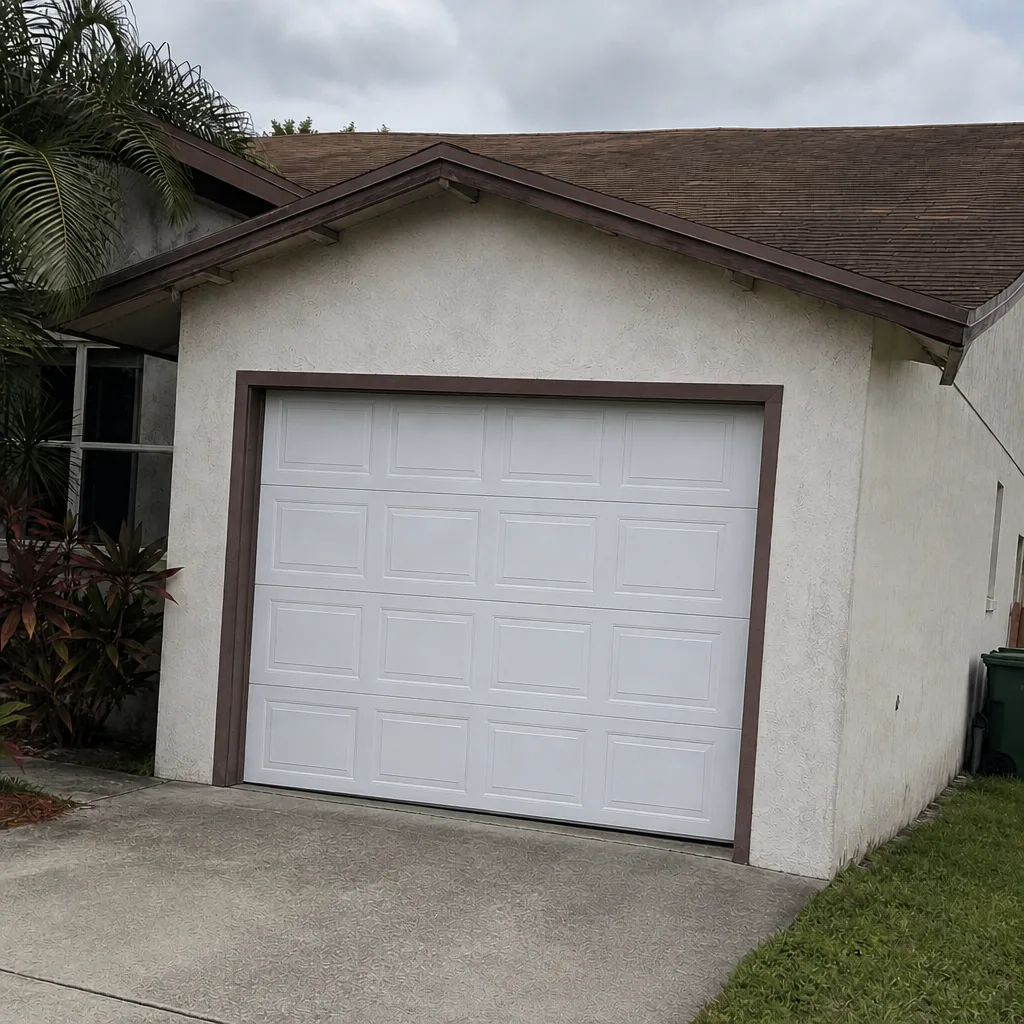 After
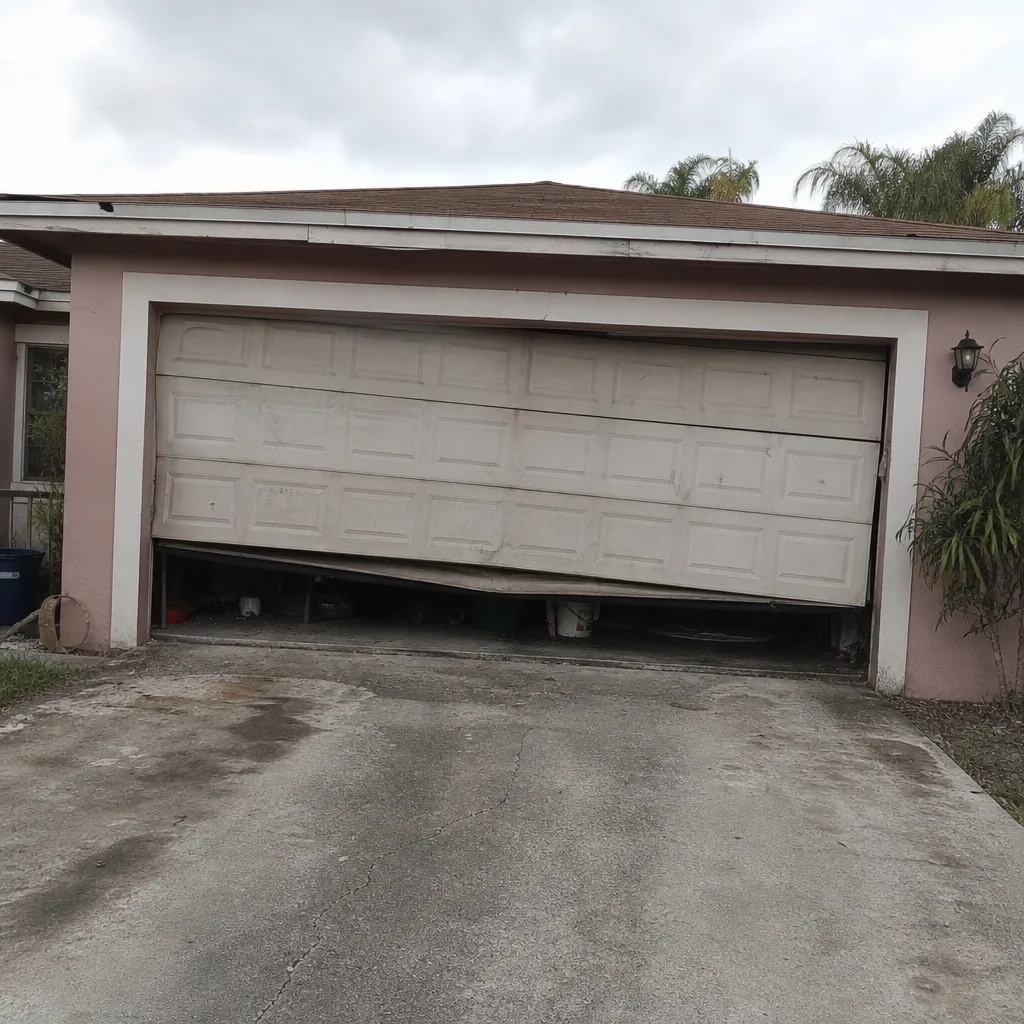 Before
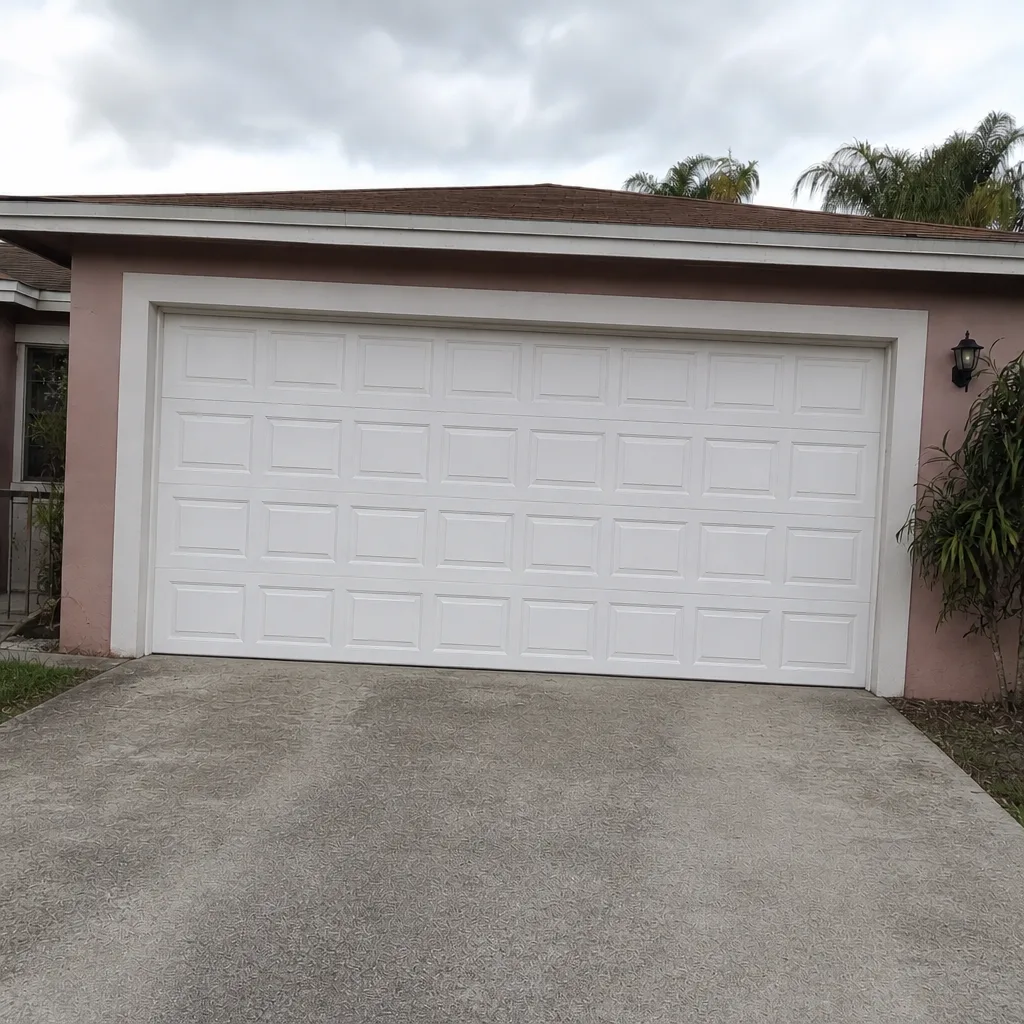 After
When to Call a Professional
Call a professional the moment you notice any of these: a door that won’t stay up, feels heavy, or slams; rust that has moved from the surface into a cable or spring; grinding or popping sounds; a broken spring or cable (stop using the door immediately); a seal that won’t close cleanly; or an opener that hesitates, reverses without cause, or stops responding. Those are the signs that a repair now is much cheaper than a failure later. Homestead Garage Door Repair Co works on the major brands, including LiftMaster, Chamberlain, Genie, and Clopay, and provides free estimates in Homestead. Call (866) 680-1175. We work on your brand, and when the door won’t move, we do.
Frequently Asked Questions
The earliest warning is usually rust forming on cables, springs, or brackets, often before the door shows any change in movement. In Homestead’s humidity, that surface corrosion can be the first signal that a part is losing strength. Check the hardware monthly, not just the way the door moves.
Yes, you can safely check balance with the door closed and disconnected from the opener by lifting it to waist height and letting go. A balanced door stays put; a door that drifts down, feels heavy, or slams has a spring or balance problem. Don’t adjust the springs yourself. Call (866) 680-1175 if the test shows trouble.
Not always. A remote that works intermittently is often a battery or pairing issue, and hesitation can come from a door that’s gone out of balance. Try a fresh battery and a re-pair first. If a second remote acts the same or the hesitation continues, the receiver or motor may be the problem. Our garage door opener repair handles the diagnosis.
Surface rust is a powdery film that wipes off and leaves smooth metal underneath. Structural corrosion is pitted, flaky, or rough, and on a cable or spring it can mean the part is compromised. When rust reaches the cables or coils, stop using the door and have it inspected.
The combination of strong sun and heavy summer rain wears out rubber and vinyl seals quickly, causing UV cracking, mold, and compression failure. A seal that no longer touches the floor cleanly lets in water and wind, so replace it before storm season rather than after.
It’s an emergency when the door won’t close and secure your home, when a spring or cable has broken and the door isn’t usable, or when a car is trapped inside. Stop using the door and call right away. Homestead Garage Door Repair Co provides emergency garage door service because a broken door doesn’t respect business hours. Call (866) 680-1175.
The Bottom Line
The warning signs that matter most on a Homestead garage door usually live on the hardware, not the movement. Rust on cables and springs, unexpected sounds, brittle or moldy seals, an out-of-balance door, and an opener that hesitates are the real early signals. Check them monthly, treat surface rust before it becomes structural, and never adjust a spring or cable yourself. Repair first, replace only when it makes sense. When something looks or sounds wrong, get it looked at. Homestead Garage Door Repair Co serves Homestead with repair, spring and opener service, and full installation, backed by free estimates.
Written by the team at Homestead Garage Door Repair Co.