Last updated November 22, 2026
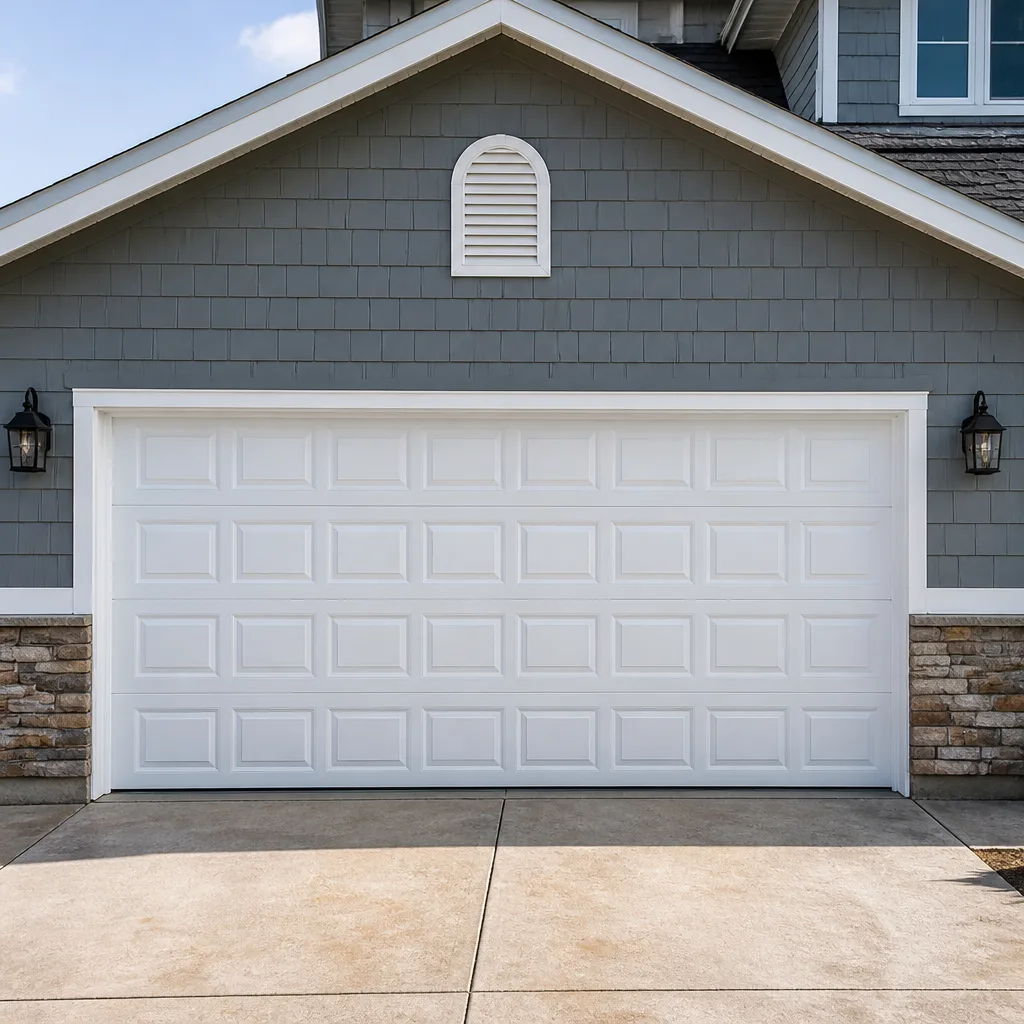 Raised-panel steel
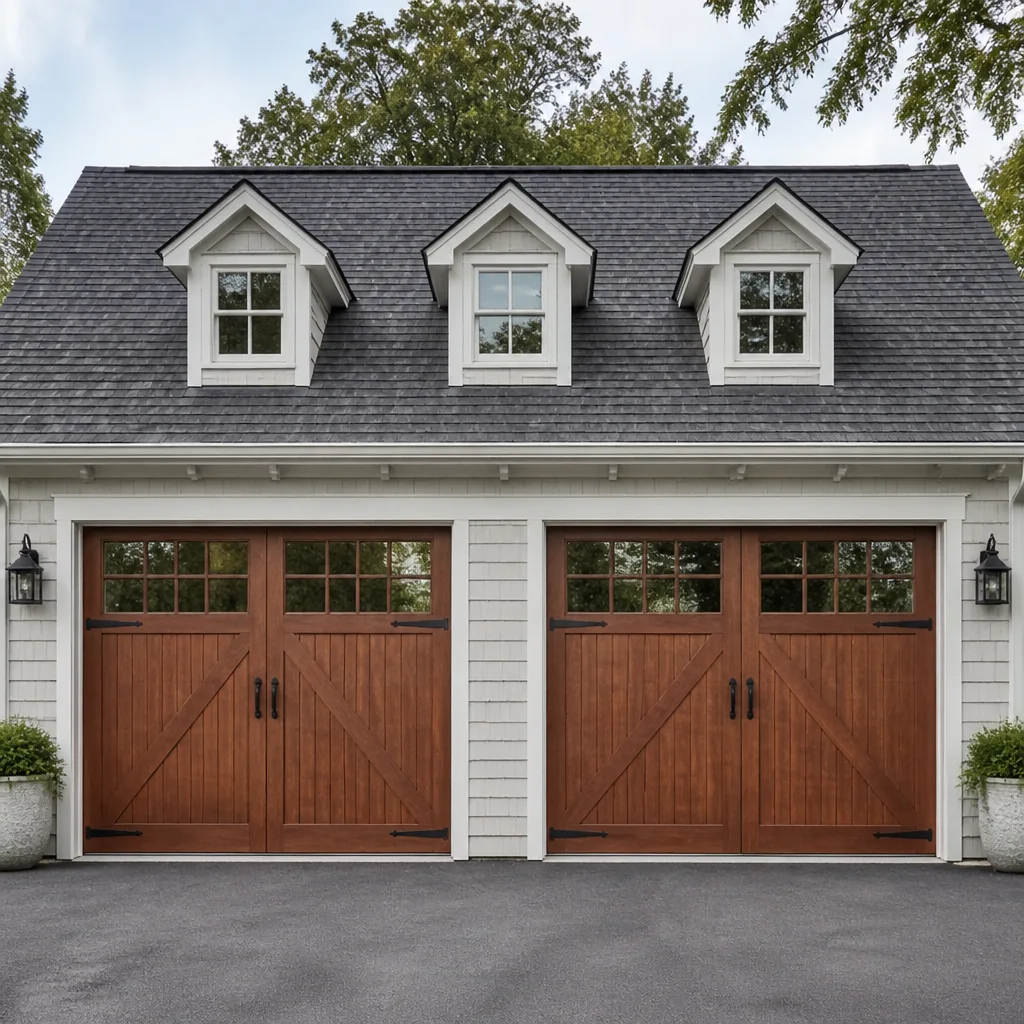 Carriage house
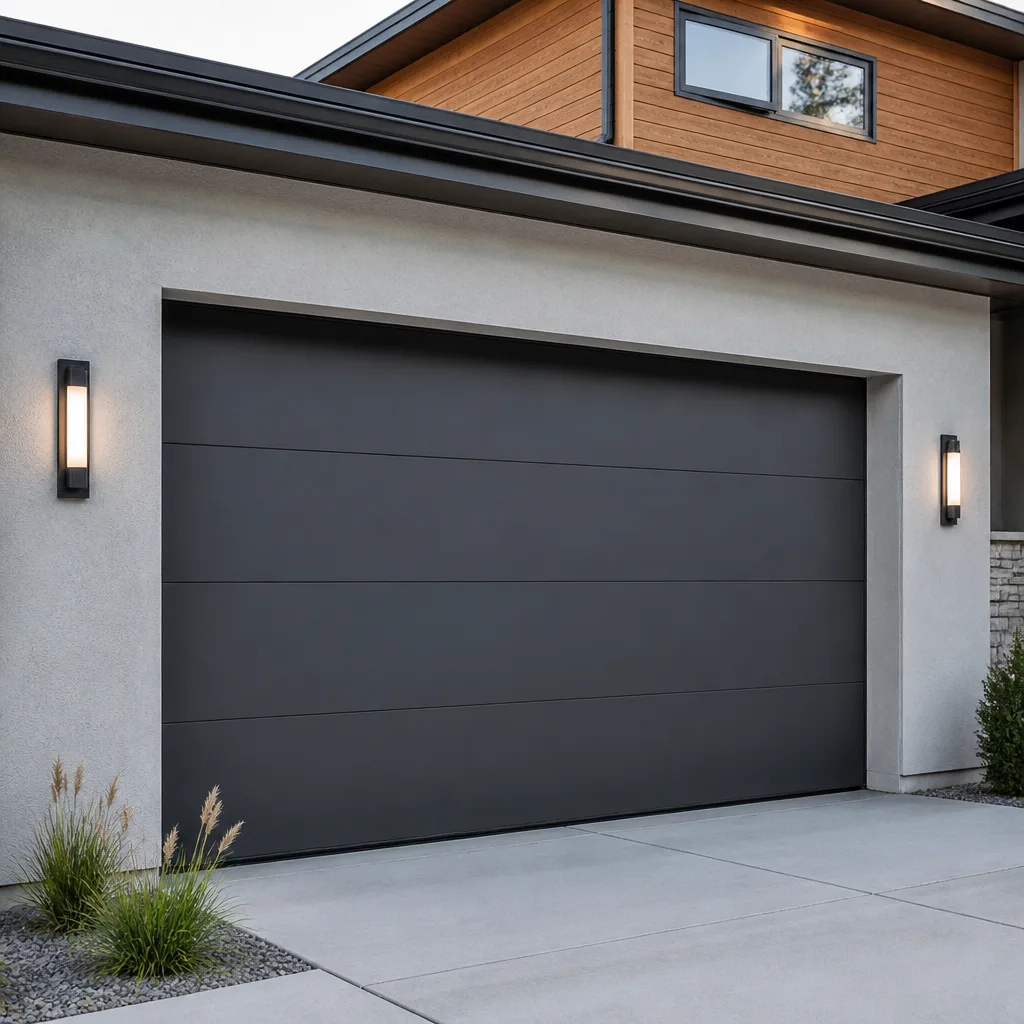 Modern flush
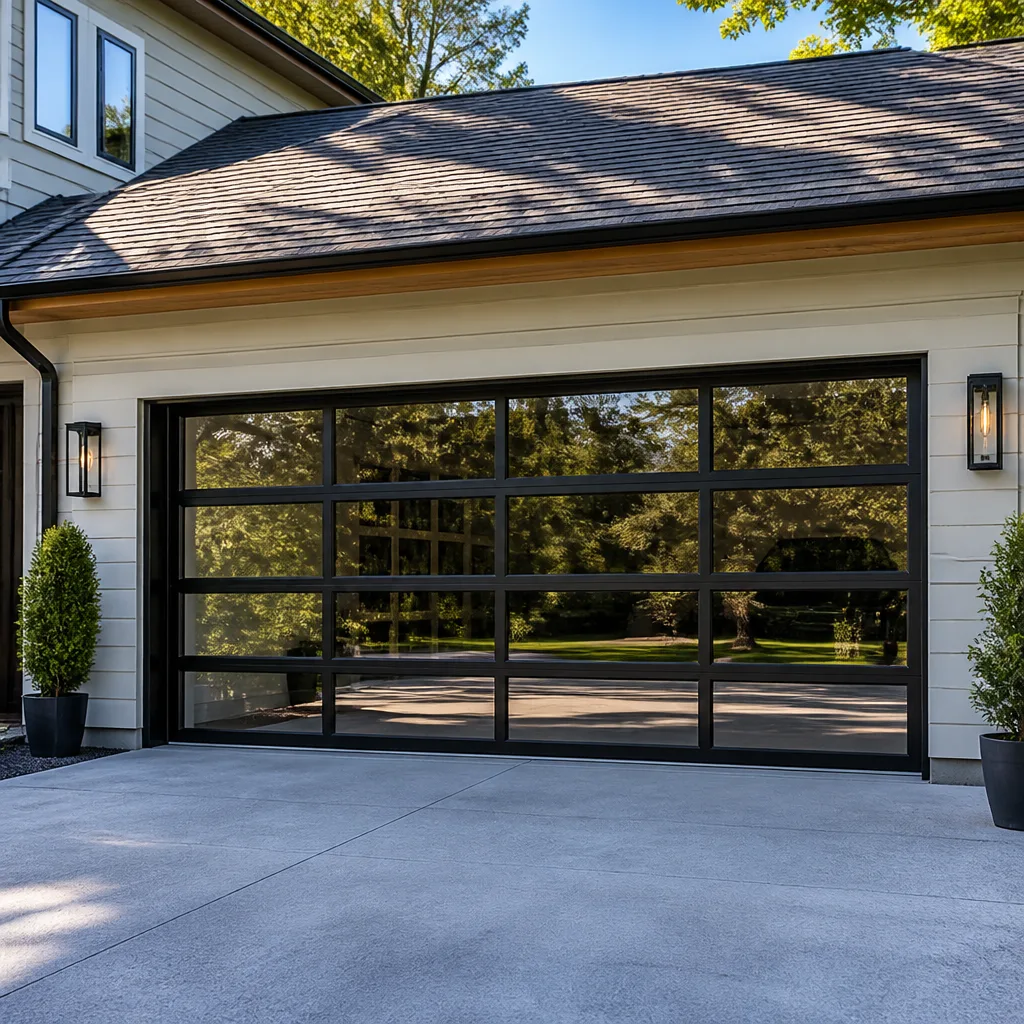 Full-view glass
 LiftMaster openers
 Chamberlain openers
Full 25-point door and opener safety check with every visit - springs, cables, rollers, tracks, and your LiftMaster or Chamberlain opener included
You get a price before we start. It does not change when the pro arrives.
Get your free estimateDIY vs Professional Garage Door: The Homestead Homeowner’s Decision Guide
Most garage door advice on the internet assumes you live somewhere with a mild, forgiving building culture. You don’t. In Homestead, a garage door is a wind-rated structural assembly, the springs inside it store enough energy to break bones, and the work is regulated by Florida licensing law and Miami-Dade product approval rules that a homeowner never sees until an inspector or a buyer’s agent asks for the paperwork. The energy in a torsion spring is the famous danger, and it’s real. But the quieter risk is unpermitted work surfacing years later during a home sale. This guide lays out exactly which tasks are safe and legal to do yourself in Homestead, which ones require a licensed contractor, and how to decide in under five minutes.
Quick Answer
In Homestead, you can safely and legally handle lubrication, remote programming, photo-eye sensor alignment, and visual inspections yourself. Anything involving torsion springs, cables, the door itself, or a permit requires a licensed contractor, and DIY work on a wind-rated door can complicate your homeowner’s insurance and a future sale. The simple rule: if your door is under 10 years old, still operates, and the fix appears in your owner’s manual, it’s a DIY candidate. Everything else warrants a professional call.
Styles & brands we work with
- Raised-panel steel
- Carriage house
- Modern flush
- Full-view glass
- LiftMaster openers
- Chamberlain openers
Table of Contents
- Why Homestead Is a Harder DIY Market Than Most
- What’s Legally and Safely DIY in Florida
- What Requires a Licensed Contractor in Florida
- The Spring Problem: Physics You Can’t Watch on YouTube
- Insurance and Liability on a Wind-Rated Door
- How to Vet YouTube Tutorials for Florida Applicability
- The Four-Question Decision Framework
- DIY vs Professional: A Realistic Comparison
Why Homestead Is a Harder DIY Market Than Most
Homestead sits in Miami-Dade County, and Miami-Dade has one of the strictest product approval systems in the country for building components exposed to wind. A garage door here isn’t a decorative panel on tracks; it’s a rated opening in your building envelope, and the door, the tracks, the anchors, and the operator all factor into how that opening performs. That single fact reshapes the entire DIY question.
In most of the country, replacing a garage door is roughly the difficulty of hanging a heavy, spring-loaded barn door. In Homestead, it’s construction work that touches code compliance, insurance, and resale. A door that isn’t installed to the approved system can fail an inspection, and the failure often surfaces at the worst possible time: during a pre-sale inspection, a refinance appraisal, or an insurance underwriting review.
There’s also a practical reality about the housing stock. Plenty of Homestead homes were built or rebuilt in waves over the past few decades, and that means a mix of door vintages, opener generations, and installation quality. We work on that range every week across brands like LiftMaster, Wayne Dalton, and Raynor, and the pattern is consistent: the older the install, the more likely the fasteners, cables, and springs have already been compromised by time and humidity. Humidity matters here. South Florida’s damp air works on steel components year-round, and a cable that looks fine on a dry day can be closer to failure than it appears.
None of that means you should be afraid of your garage. It means you should be clear-eyed about which half of the work belongs to you. The homeowner-safe list in Homestead is genuinely shorter than in most of the country, and that’s not a sales pitch. It’s the intersection of physics, licensing, and local code.
What’s Legally and Safely DIY in Florida
Four categories of garage door work are safely and legally within a Homestead homeowner’s reach. All four are low-risk, require no permit, and don’t touch the loaded parts of the system.
- Lubrication. A garage door has hinges, rollers, and a torsion tube that benefit from periodic lubrication with a proper garage door lubricant. Never use WD-40 as a lubricant on rollers or hinges; it’s a solvent, not a lasting lube. A few minutes twice a year keeps things quiet and reduces wear.
- Remote and keypad programming. Pairing a new remote, changing a keypad PIN, or clearing old remotes from memory is a manual task for almost every opener brand, from LiftMaster to Craftsman. Your owner’s manual has the sequence, and the work is electrical in name only.
- Photo-eye sensor alignment. If the door reverses immediately after you press the button, the safety sensors near the floor are usually misaligned or blocked. Straightening the brackets and cleaning the lenses is safe and effective. It’s the single most common service call that turns out to be a five-minute fix, and it’s fine to handle yourself.
- Visual inspection. Looking is always free. Check for frayed cables, stretched springs, bent tracks, loose hinges, and worn rollers. You’re not fixing anything by looking, but you’re catching problems before they become expensive.
Everything on that list has one thing in common: none of it stores or releases energy that can hurt you. The moment a task crosses into springs, cables, tracks under load, or the door itself, you’ve left the DIY zone.
What Requires a Licensed Contractor in Florida
Florida regulates this work, and the reason is straightforward. Garage door installation and repair involving the springs, cables, and the door assembly falls under licensed trades, and Homestead sits inside Miami-Dade’s stricter permit framework. The tasks below are not “should probably hire out” items. They’re the ones where doing it yourself puts your safety, your insurance, and your sale at risk.
- Full door replacement. A new door involves removing a loaded assembly, installing a rated system, anchoring it to code, and getting it to pass inspection. This is permitted work in Homestead, and the permit trail matters later.
- Torsion spring work. Replacement, adjustment, or conversion is the highest-risk repair in the trade and requires the right tools, the right technique, and the right winding bars. We treat it as a dedicated specialty for a reason.
- Cable replacement. Cables are under constant tension and are loaded even when the door is down. A snapped cable can whip with force. Never touch one.
- Track replacement or realignment. Tracks are structural to the door’s path and load-bearing. Bending them back into place is not a homeowner fix.
- Any work requiring a permit. If the job needs a permit in Homestead, it needs a licensed professional, full stop. That includes most replacements and any modification to the opening.
- Opener replacement on a load-bearing header. Swapping a like-for-like opener is often straightforward, but if the job involves new brackets, a new header connection, or rewiring, call a pro. This is where our garage door opener repair work usually starts.
If you’re ever unsure which side of the line a task lands on, the safe answer is to call. A free estimate costs you nothing and confirms whether you’re looking at a five-minute fix or a permit job.
The Spring Problem: Physics You Can’t Watch on YouTube
Every garage door’s weight is carried by springs under tension, and a torsion spring is the most common system in Homestead’s housing stock. A torsion spring does its work by storing rotational energy along the torsion tube above the door. When it fails, that energy releases fast, and the standard warning about broken bones and worse is not an exaggeration. It’s the reason spring work is a dedicated specialty rather than an errand any handyman takes on.
What most homeowners underestimate is that spring work has three distinct failure modes, and only one of them is the obvious one:
- Improper winding. Springs must be wound to an exact number of turns based on door weight. Guessing, or using a video’s count from a different door, can leave the door unbalanced or over-stressed. Realignments, doors that reverse unexpectedly, and premature spring failure often trace back here.
- Wrong spring pairing. Springs come in gauge and length combinations matched to your door. An undersized or oversized spring either lifts poorly or fatigues in months instead of the life it should get.
- Improper tools. Winding bars exist for a reason. Adjustable wrenches, screwdrivers, and improvised tools slip under load, and slipping at the wrong moment is how people get hurt.
Our approach on garage door spring repair is unglamorous: measure the door, match the spring to the door’s actual weight and cycle count, replace a matched pair together rather than one side, and rebalance the door before we hand it back. That’s why spring repair is a named service here and not an add-on. It’s the most mechanically critical component in the whole system, and it’s the one most worth getting right the first time.
If your door has started banging, slamming, or refusing to stay up, don’t run the opener “one more time” to see what’s happening. That stress can push a fatigued spring over the edge while someone is standing under it. Leave the door down, leave the opener off, and call.
Insurance and Liability on a Wind-Rated Door
This is the part of the DIY question most homeowners never hear about until it matters. In Homestead, a garage door is a rated opening, and when you do unpermitted work on it, you’ve created a gap between what’s installed and what’s approved. That gap can show up in three places.
- Homeowner’s insurance underwriting. Insurers care about the rated envelope of your home, and an unpermitted change to the garage door assembly can complicate a claim if the door is part of the loss. That doesn’t mean every DIY fix voids a policy, but it does mean any unpermitted modification is a question mark you don’t want.
- Resale. A buyer’s inspection and a title search can both surface unpermitted work, and the buyer’s lender may require it be corrected before closing. That’s the point in this guide that matters most: the paperwork gets discovered years after the work was done, often at closing, and it can kill or delay a sale.
- Liability. If a garage door fails and causes damage or injury, and the failure traces back to work that required a permit and didn’t have one, that’s a legal exposure no homeowner needs.
We’re not lawyers, and we don’t claim to know every insurer’s underwriting rules. What we can tell you is what we see: permit-savvy buyers in Homestead ask for the door’s documentation, and unpermitted work is a red flag. If you’ve inherited a door with unclear history, a professional inspection is the fastest way to know what you’re actually holding. The licensed, insured local professional we connect you with can work with your insurer if a claim is ever in play.
How to Vet YouTube Tutorials for Florida Applicability
A repair video is only as good as its jurisdiction. Most garage door content on YouTube is filmed in states without Miami-Dade’s product approval system, which means the technique might be sound and the legal and code context might be completely wrong for Homestead. Before you act on a tutorial, run it through this filter.
- Check the location claim. If the creator names a state or region, look for Florida, or preferably Miami-Dade. If the location isn’t stated, treat the code guidance as generic and verify it locally.
- Check the door system. Torsion and extension springs are solved differently, and a tutorial for one can be dangerous for the other. Match the video to your actual system, not to the thumbnail.
- Check the brand and model. Opener wiring and programming differ across LiftMaster, Wayne Dalton, Craftsman, and the rest. A pairing sequence from a different brand can lock you out of your own opener.
- Check for a safety disclaimer. A creator who skips the danger of loaded springs isn’t being careful. Skip them.
- Check the comment section for corrections. Experienced technicians routinely flag dangerous advice in the comments, and it’s worth a scan.
- Then ask: is this task on the DIY list at all? If the video’s task is spring, cable, track, or full-door work, no amount of production quality makes it a homeowner job in Homestead.
Used carefully, tutorials are genuinely useful for the four safe tasks. Used as a substitute for licensing and code, they’re a liability. If a tutorial told you to “just bend the track back,” that’s the clearest sign the creator isn’t working in a regulated market.
The Four-Question Decision Framework
We’ve walked Homestead homeowners through this decision hundreds of times, and it comes down to four questions. Answer them honestly and you’ll know which side of the line you’re on within a minute.
1. Is the door under 10 years old? Age tells you a lot. A newer door with a known install history is easier to reason about. An older door with an unknown spring history is a professional call the moment it misbehaves.
2. Is the door still operational? If the door opens and closes normally and the issue is cosmetic or peripheral (a remote, a sensor, a squeak), DIY is on the table. If the door won’t move, reverses, or is visibly crooked, stop. That’s a safety issue, not a project.
3. Is the fix in your owner’s manual? The manual is the manufacturer’s own line for what a homeowner should touch. Remote programming, sensor alignment, and lubrication are almost always there. Anything the manual warns you to have a professional do, believe it.
4. Does the fix touch springs, cables, tracks, or requires a permit? If yes to any, it’s a professional job in Homestead. No exceptions.
If you answered yes to the first three and no to the fourth, you’re a DIY candidate. If you answered no to any of the first three, or yes to the fourth, make the call. For the repair side, you can reach garage door repair directly and get a straight answer about whether you’re looking at a fix or a replacement.
DIY vs Professional: A Realistic Comparison
The honest cost comparison isn’t “tutorial cost” vs “repair cost.” It’s “tutorial cost plus tool rental plus risk” vs “an agreed quote that includes labor, parts, and a professional outcome.” Most homeowners focus on the first number and forget the second half.
- Lubrication, sensor alignment, remote programming: DIY is genuinely cheaper, and there’s no meaningful risk. Do it yourself.
- Opener troubleshooting: often a professional call worth making, because diagnosis saves you from buying the wrong part twice. Swap the opener correctly and it’s a repair. Guess and it’s a replacement.
- Spring replacement: a matched pair replaced together is the standard repair, and it’s a job for a trained professional. The risk of injury and of doing it wrong makes DIY a false economy.
- Full replacement: permitted, rated, and documented work. This is a scheduled measure-and-quote job, not a same-day errand.
We don’t publish a single price because pricing depends on the door, the springs, the opener, and the fix. What we do guarantee is that the price is quoted and agreed before any work starts. No surprises on the invoice. If you want a number, ask for a free estimate.
Common Mistakes to Avoid
- Treating a torsion spring like an extension spring. They release force in different directions, and each needs its own technique and tools. Assuming they’re interchangeable is the fastest way to get hurt.
- Buying a spring by measurement alone from a big-box shelf. Springs are matched to door weight and cycle life. A shelf spring that “fits” can still be the wrong spring for your door, and it can fail early or overload the opener.
- Running the opener on a door that’s already failing. If it bangs, jerks, or reverses, running it “to see what happens” pushes a fatigued component to the breaking point. Leave it and call.
- Following a YouTube repair for an unpermitted install. A video made in a state without Miami-Dade product approval could walk you into a code problem in Homestead that surfaces years later at sale.
- Skipping the safety sensors because “it works.” Photo-eyes are a safety device, not a convenience. A misaligned sensor is a small fix and an important one.
- Replacing a whole door when a repair would do. Repair first, replace only when it makes sense. Replacing a door because one panel is dented is an upsell, not a diagnosis.
- Not documenting a repair. If you later sell, the paper trail on your garage door is worth keeping. A licensed professional’s work order is the cleanest record you can have.
See the difference
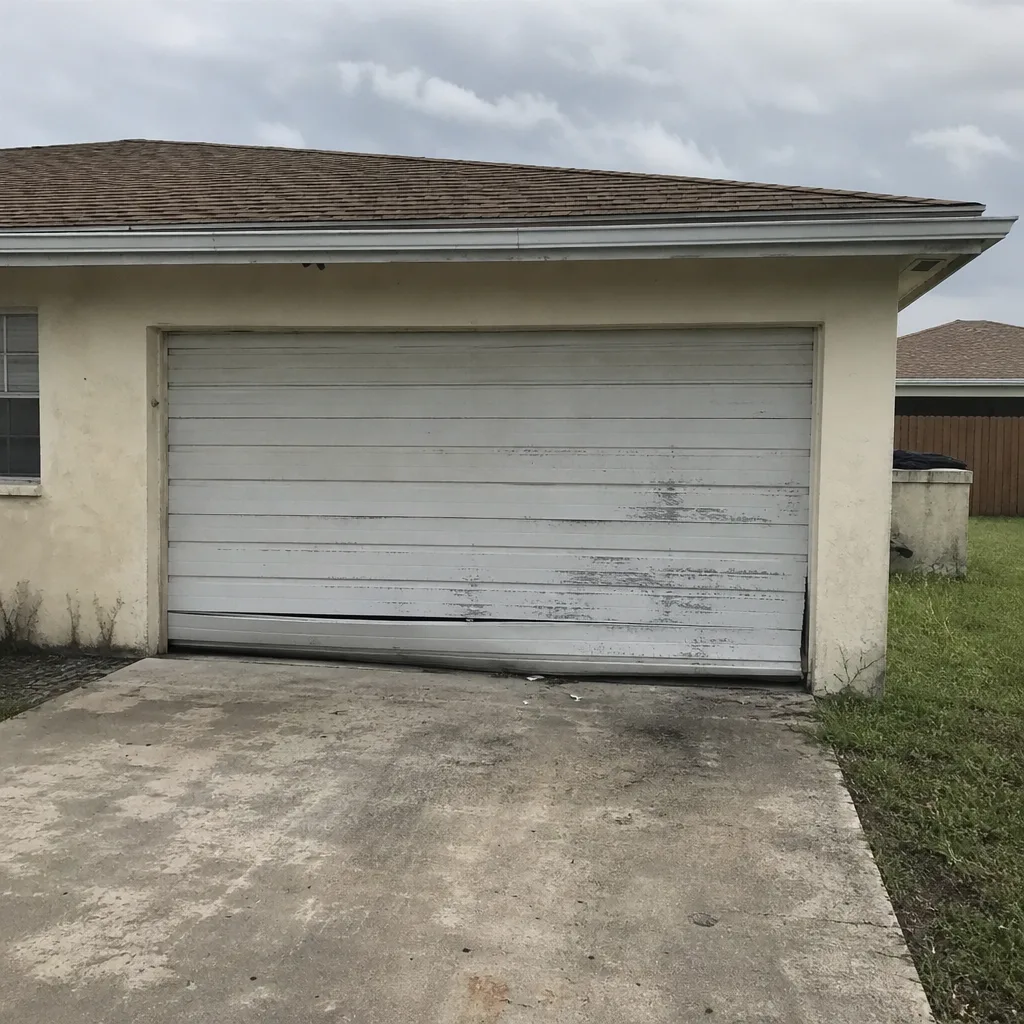 Before
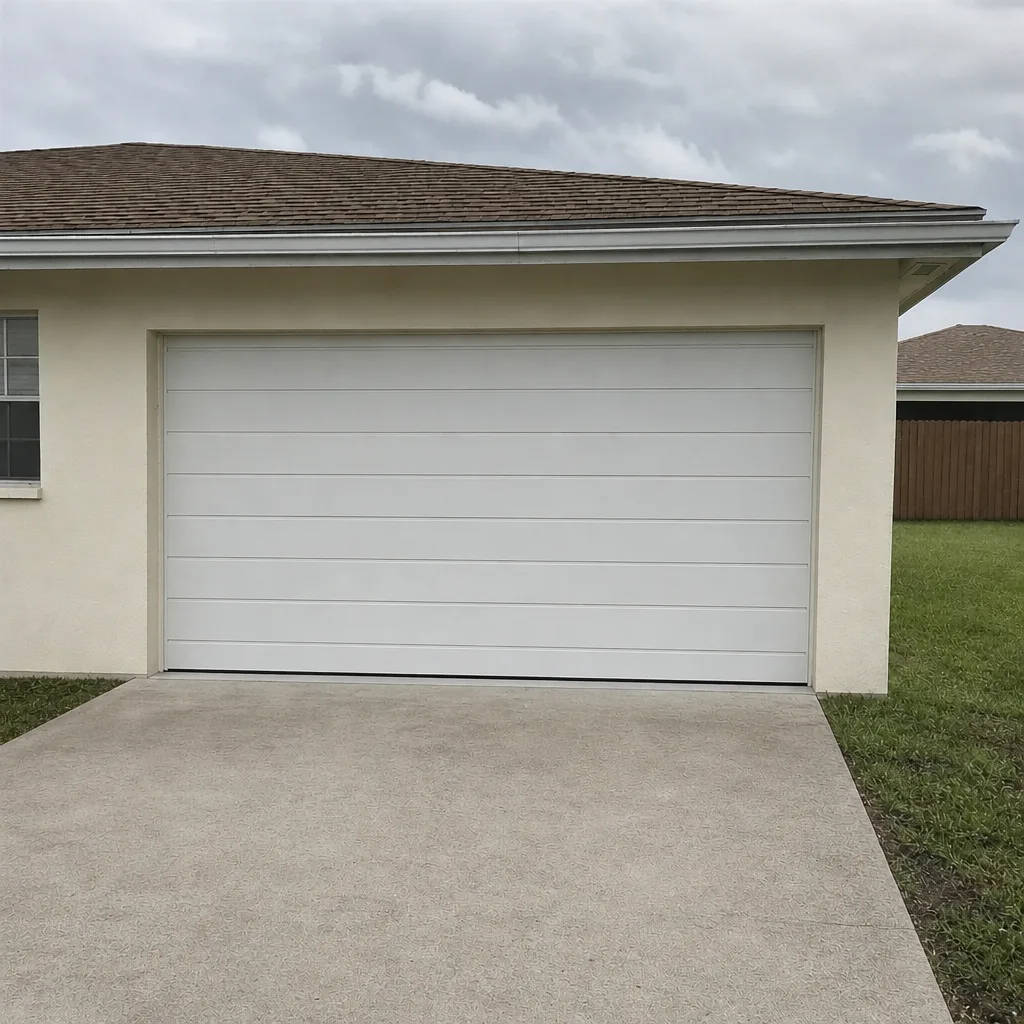 After
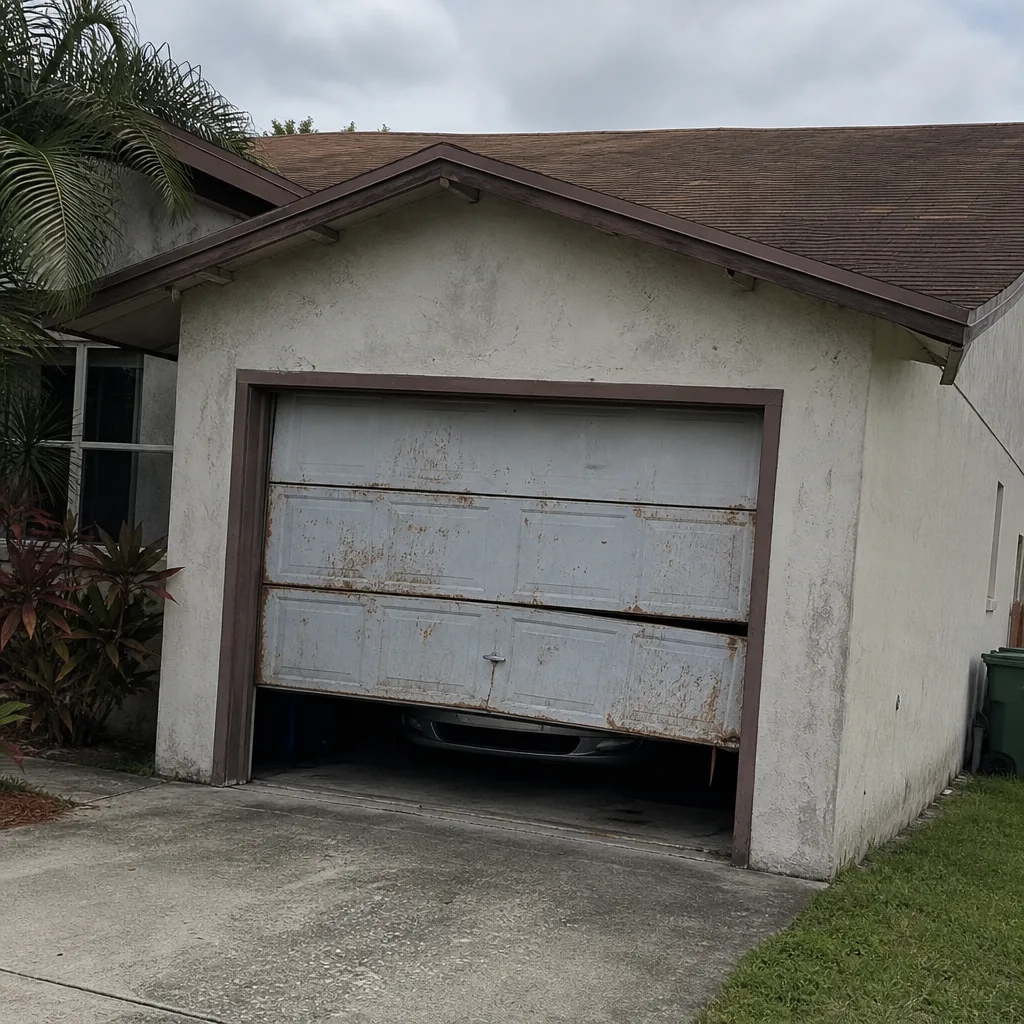 Before
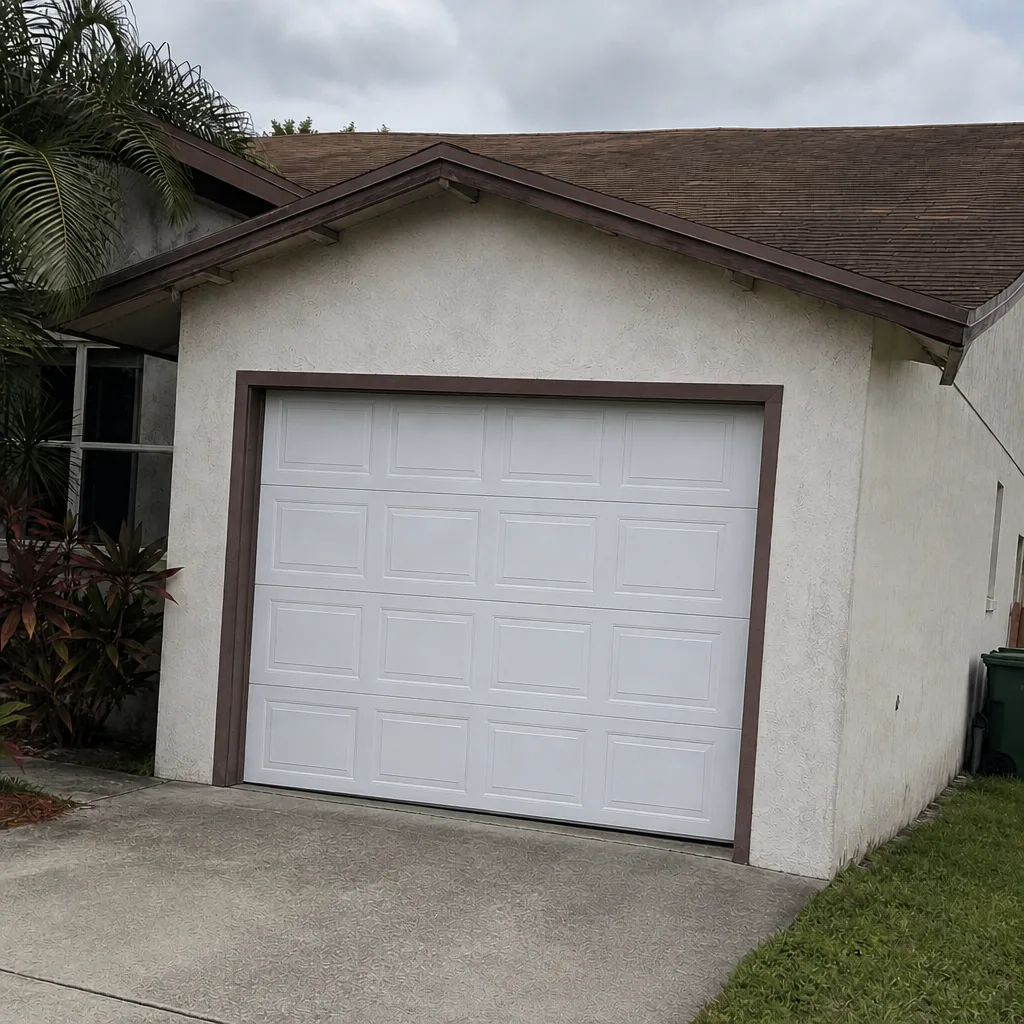 After
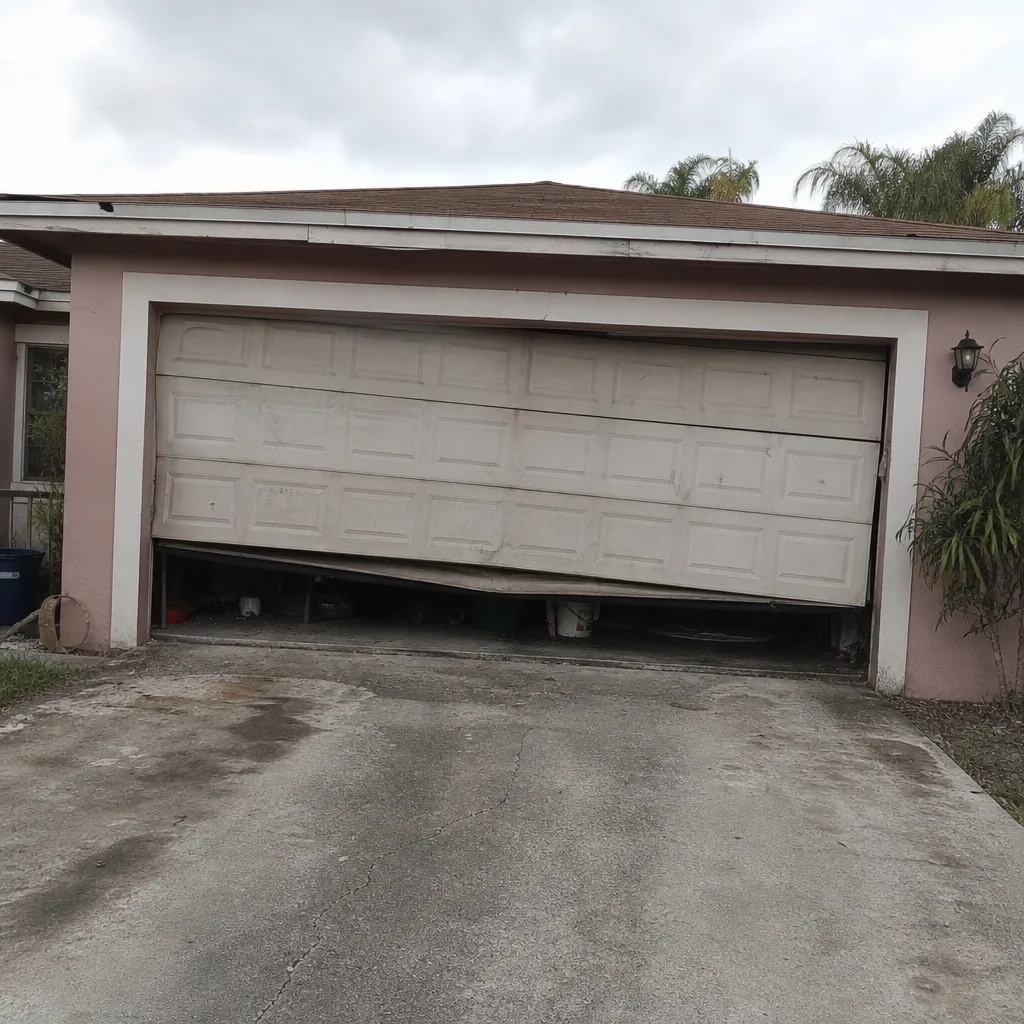 Before
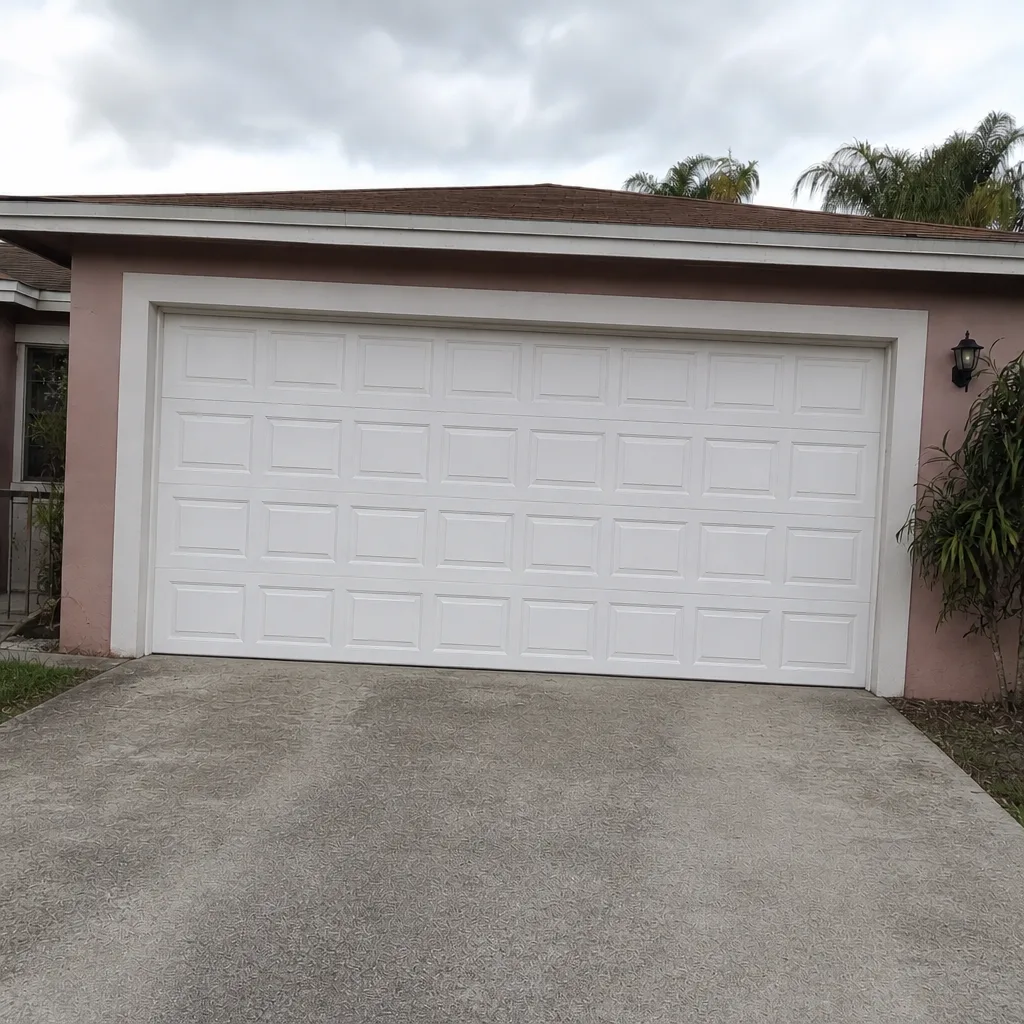 After
When to Call a Professional
Call a professional in Homestead when the door won’t move, when it reverses or slams, when a spring or cable is visibly damaged, when the opener is failing on a door that otherwise operates, or when you’re considering a full replacement. Those are the cases where the DIY line isn’t close. If you’re on the fence, a free estimate settles the question in one conversation. Homestead Garage Door Repair Co offers free estimates in Homestead, and our technicians have up to 14 years of experience across brands like LiftMaster, Wayne Dalton, and Raynor. Call (866) 680-1175 and we’ll tell you plainly whether you’re looking at a five-minute fix or a job worth booking. When the door won’t move, we do.
Frequently Asked Questions
No. Torsion springs store enough energy to cause serious injury, and Florida licensing and Miami-Dade permit rules put spring work in professional territory. Replacement and adjustment belong to a licensed technician, and it’s the single most important line in this guide.
Not in practice for a full replacement. Installation is permitted work in Homestead and must meet Miami-Dade approval requirements, which means it needs a licensed professional. Unpermitted installs can complicate insurance and a future sale.
It can. Insurers care about the rated envelope of your home, and an unpermitted change to a wind-rated door assembly can create a question mark at claim time. We can work with your insurer if a claim is ever in play, and we don’t deny that unpermitted work adds risk.
Lubrication, remote and keypad programming, photo-eye sensor alignment, and visual inspection. Anything the owner’s manual puts in a professional column, believe it and call.
If the door is under 10 years old, still operational, and the fix is in your manual, it’s a repair. If the door is failing, visibly damaged, or has an unknown history, a professional diagnosis is the right first step. Repair first, replace only when it makes sense.
No. Free estimates are standard, and the price is quoted and agreed before any work starts. Call (866) 680-1175 for yours.
The Bottom Line
The DIY line in Homestead is shorter than most homeowners assume. Lubrication, remote programming, sensor alignment, and visual inspection are yours to handle. Springs, cables, tracks, the door itself, and any permitted work belong to a licensed professional, and that’s not a rule of convenience. It’s the intersection of physics, Florida law, Miami-Dade code, insurance, and resale. Use the four-question framework, apply it honestly, and you’ll know within a minute which side you’re on. When the honest answer is “this needs a pro,” we’re here. Call us at (866) 680-1175 for a free estimate and a straight answer.
Written by the team at Homestead Garage Door Repair Co.