Last updated November 22, 2026
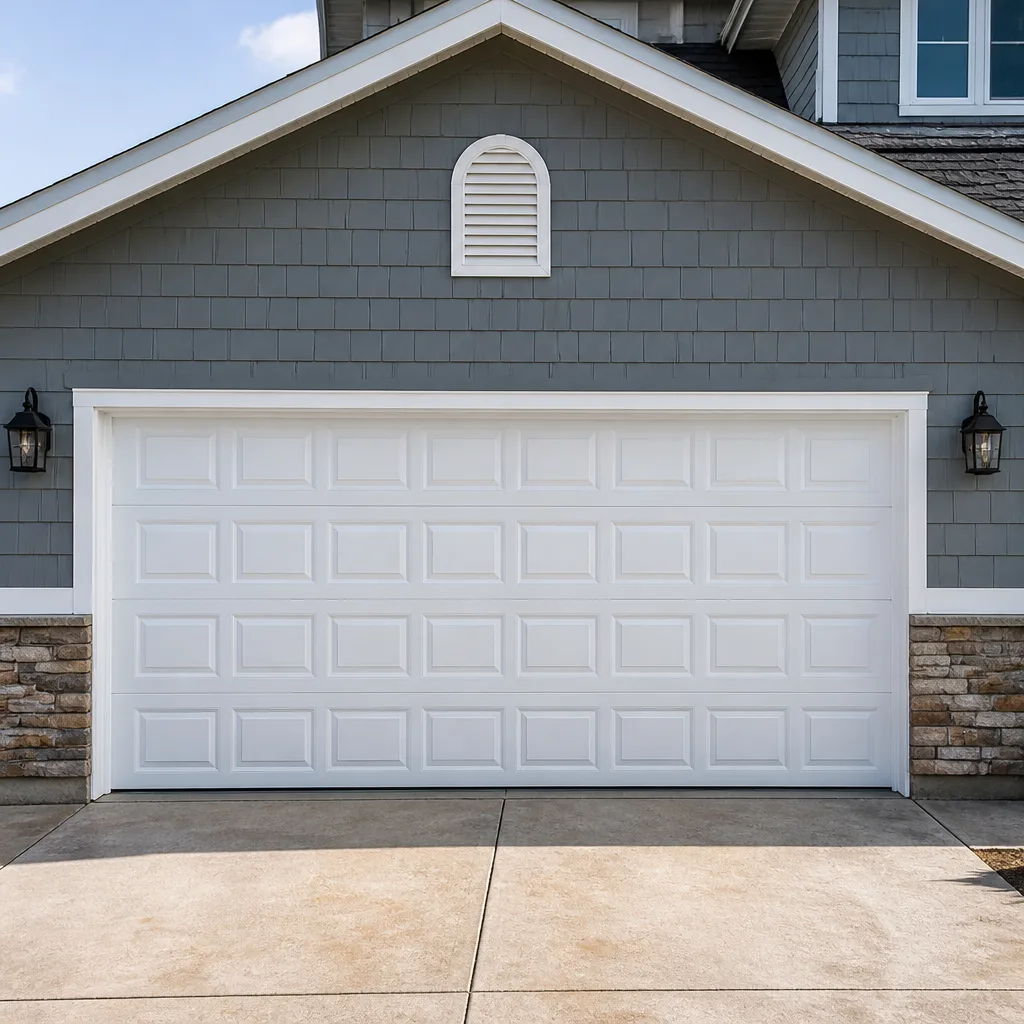 Raised-panel steel
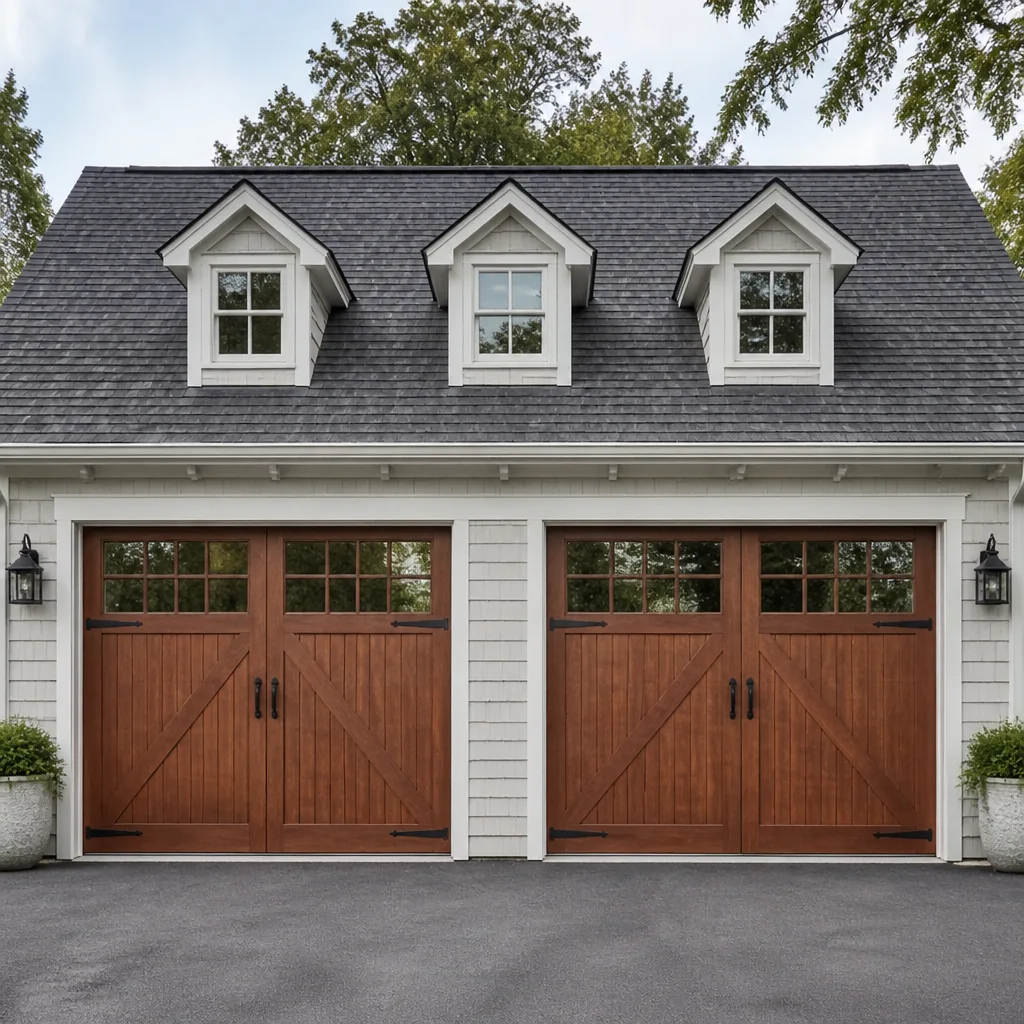 Carriage house
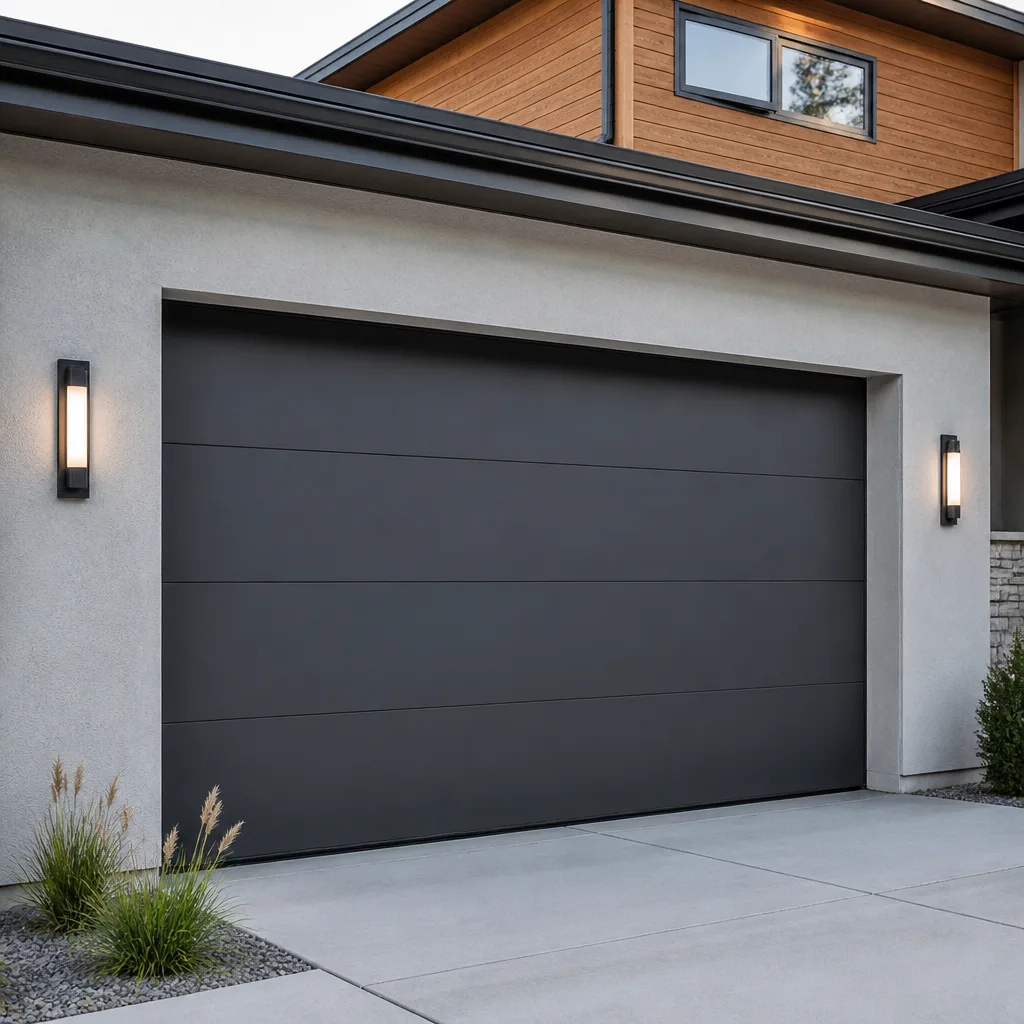 Modern flush
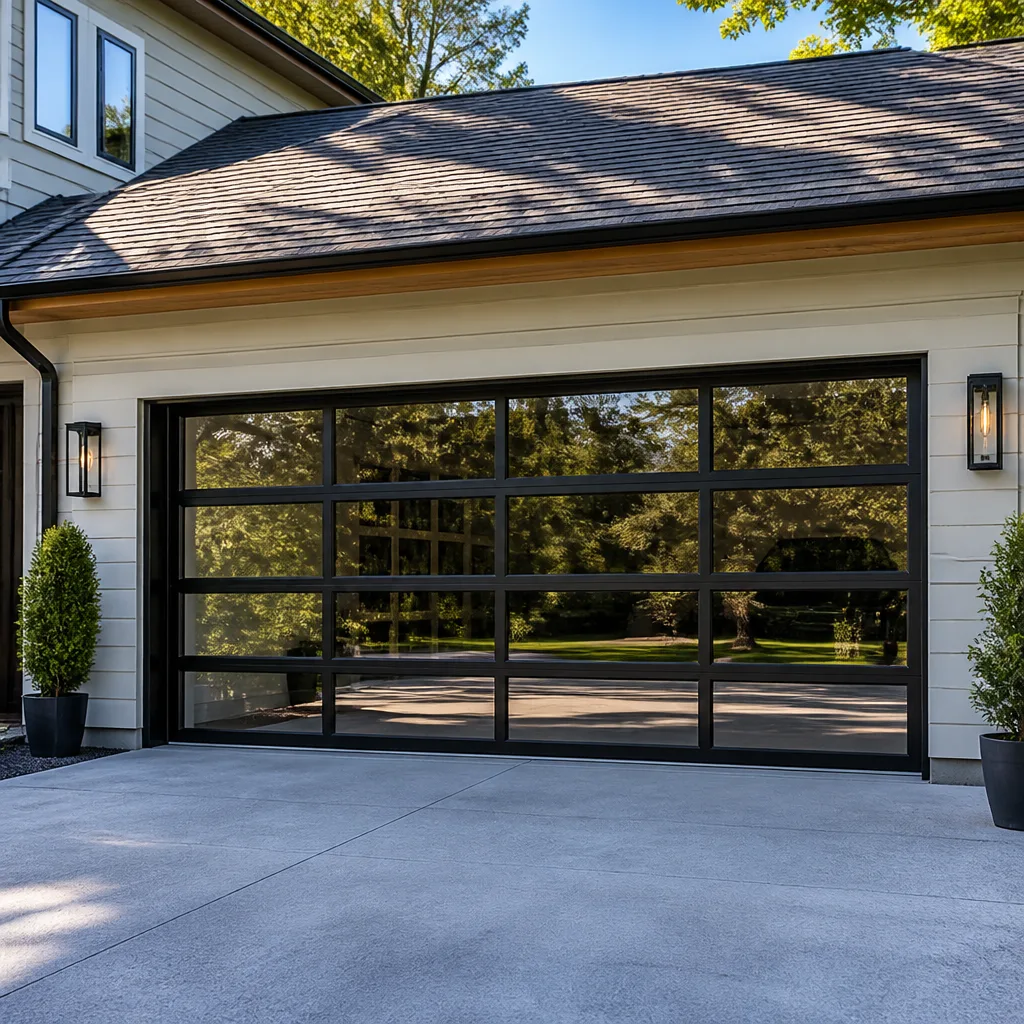 Full-view glass
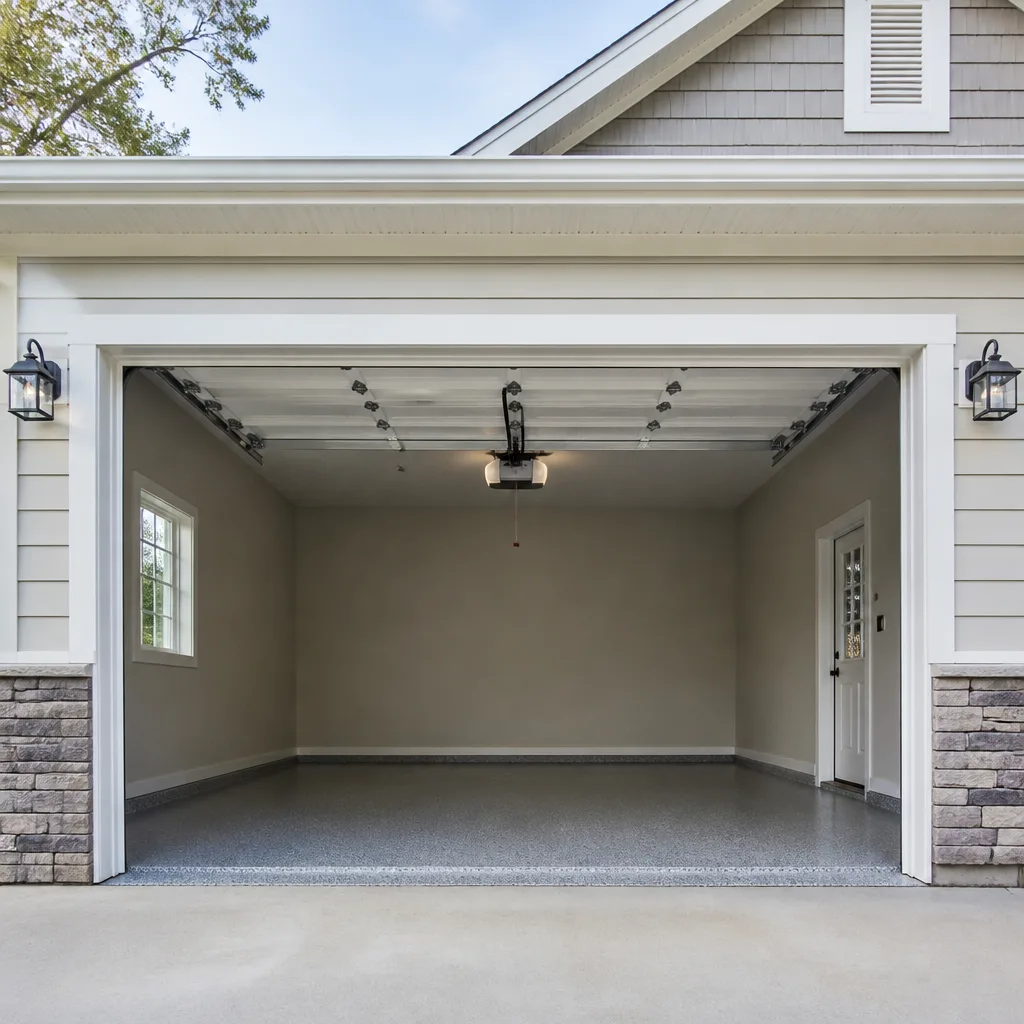 LiftMaster openers
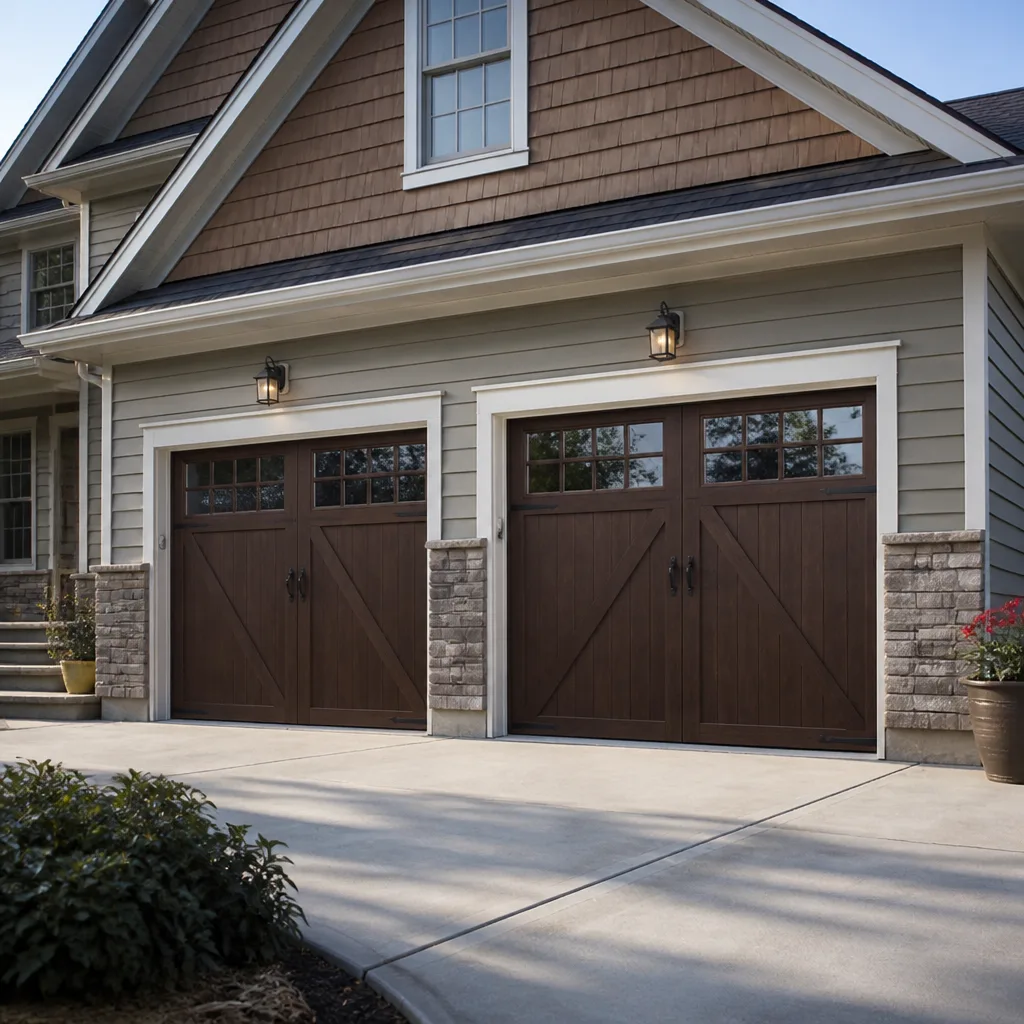 Chamberlain openers
Full 25-point door and opener safety check with every visit - springs, cables, rollers, tracks, and your LiftMaster or Chamberlain opener included
You get a price before we start. It does not change when the pro arrives.
Get your free estimateGarage Door Emergency Preparedness Guide for Homestead Homes
Most garage door emergencies in Homestead don’t announce themselves with a bang. They start small: a cable that frays quietly behind the track, a seal that stops sealing, a manual release that hasn’t been pulled in years. When a named storm finally pushes against the door, those small problems become the failure point. The wind gets blamed. The deferred maintenance is usually the real cause. This guide explains how garage door emergencies actually unfold in Homestead, what to do when a spring lets go or a cable snaps, how to release a door safely during a power outage, how to check a wind-rated door before a storm, and what to document afterward for an insurance claim. Every step is written for the homeowner mid-crisis, not for a technician.
Quick Answer
A garage door emergency in Homestead comes in two forms: a mechanical failure (broken spring, snapped cable, dead opener) that can trap a car or leave a home open at any hour, and a storm-related failure where a door that won’t stay shut becomes a structural and security problem. For the first, keep the door closed if possible and call for emergency service. For the second, secure the opening from the inside, document the damage, and don’t force the door. Both situations go better if you’ve done a few checks before they happen.
Styles & brands we work with
- Raised-panel steel
- Carriage house
- Modern flush
- Full-view glass
- LiftMaster openers
- Chamberlain openers
Table of Contents
- Why Homestead Garage Door Emergencies Come in Two Forms
- How Do You Open a Garage Door During a Power Outage?
- What Should You Check Before a Named Storm?
- What to Do When a Spring Breaks or a Cable Snaps
- Who to Call for a True Garage Door Emergency
- How to Document Post-Storm Damage for Insurance
- A Year-Round Preparedness Routine for Homestead Homes
- What Belongs in a Garage Door Emergency Kit
Why Homestead Garage Door Emergencies Come in Two Forms
In most of the country, a broken garage door is a mechanical problem and nothing more. In Homestead, it can also become a security and structural problem, because the same door that keeps a car in also holds back wind-driven rain and pressure during storm season. That’s the core reason national preparedness checklists fall short for South Florida homes: they cover the mechanical side or the storm side, rarely both, and almost never how the two overlap here.
The mechanical side is familiar to any homeowner. Springs break from metal fatigue. Cables fray where they ride the drum. Openers wear out. These failures happen on a hot Tuesday in July as easily as they do at the worst possible moment. They strand you, they expose the house, and they kill a morning.
The storm side is different. A garage door is a large, flat sail mounted on a wall. Even a wind-rated door depends on hardware that has to be in working order: latches that actually engage, tracks that are aligned, hinges and rollers that carry the load the way the manufacturer intended. When hardware is compromised, a door that was rated for high wind no longer performs like one. The rating describes the door as installed and maintained, not the door as it sat for years without a check.
We work on both kinds of problems in Homestead, and the split matters for how you prepare. A home that’s ready for a spring failure isn’t necessarily ready for a storm, and a home that’s strapped for a storm may still have an opener that quits on a Sunday. Preparedness means covering both.
- Mechanical emergency: spring, cable, opener, roller, or track failure that leaves the door stuck, unsafe, or unusable.
- Storm emergency: a door that won’t stay closed, won’t latch, or has seal or hardware damage that turns wind and rain into an interior problem.
- Overlap: a storm that arrives while the door already has a mechanical problem you’ve been putting off.
How Do You Open a Garage Door During a Power Outage?
You open a garage door during a power outage by pulling the manual release cord that hangs from the opener’s trolley, then lifting the door by hand. But the part most homeowners miss is what happens before the pull. If the door has a spring or cable problem, releasing it can let the door drop suddenly. The safe sequence is about the lock-out, not just the release. In Homestead, outages from summer storms are common enough that every household should know this procedure before it’s needed.
Here’s the safe procedure, in order:
- Check that the door is fully closed and at rest. Never pull the release with the door partway open or mid-travel. The door is under spring tension whenever it’s off the ground.
- Look at the springs and cables first. If you see a gap in a torsion spring, a slack or dangling cable, or a door that feels heavy or crooked, stop. A trained technician should release that door. A door with a broken spring can slam down hard when disconnected from the opener.
- Locate the manual release cord hanging from the trolley (the carriage that slides along the rail above the door). It usually has a red or T-shaped handle.
- Pull it straight down and slightly toward the door to disengage the trolley, then lift the door with both hands at the bottom center or the lift handle. If the door has a lock or slide bolt on the inside, disengage that first or the door won’t move.
- Lock the door out while it’s open. Once the trolley is disengaged, don’t reconnect it until the opener is powered and the door is fully closed. Many openers reconnect automatically when power returns, so prop and secure the door manually before you walk away.
One extra step matters in Homestead: after power comes back, don’t assume the door reconnected cleanly. Test it once from the wall control with the door in view. If the opener runs but the door doesn’t move, the trolley is still disengaged or the release hasn’t re-engaged. We see this often after outages; a one-minute check beats coming home to a door that opens without warning.
If you’re ever unsure whether the door is safe to release by hand, that’s the moment to call. Reach our team at (866) 680-1175 and describe what you see.
What Should You Check Before a Named Storm?
Before a named storm, verify that your garage door is actually latched, braced, and complete, not just closed. A closed door is not the same as a secured door. Wind-driven rain and pressure find the seam where the door meets the jamb, and that seam is only as good as the seal, the latch, and the tracks that hold everything plumb. This is the single most overlooked step in Homestead storm prep.
Here’s the pre-storm checklist we recommend to Homestead homeowners:
- Look at the weather seal. Run your hand along the bottom rubber and the side jambs. Cracks, gaps, or a seal that’s pulling away leave an opening for water and pressure. If the seal is brittle or half gone, it won’t hold.
- Test the latch or lock. If your door has a manual slide bolt or a lock bar, engage it and confirm it actually contacts the frame. If the opener has an auto-lock or deadbolt, run the opener once and check that the bolt extends.
- Inspect the hardware. Check that hinges, brackets, and rollers are tight. A door meant to resist wind depends on all of that hardware staying where it was installed.
- Check the tracks. A bent or misaligned track is a pre-storm failure waiting to happen. If the door binds or runs unevenly, get it corrected before the storm arrives.
- Confirm the door is wind-rated if your area requires it. If your home has a wind-rated door or you’ve installed one under local code, know its rating and how it’s meant to be secured. Check with the manufacturer’s documentation and your city’s building department for what applies to your home.
- Know your manual release procedure. Power outages are the norm, not the exception. Have the release procedure from the previous section memorized.
Do the checks while the weather is calm, days before the storm, not the morning it’s forecast to arrive. That’s also when you’ll be able to reach someone for a fix. During a named storm, everyone with a door problem is calling at once.
If you’re not sure whether your door is ready, a pre-storm inspection is the fastest way to find out. We handle garage door repair across Homestead and can tell you what needs attention before it becomes an emergency. Estimates are free, and it’s a much better phone call to make in calm weather than in wind.
What to Do When a Spring Breaks or a Cable Snaps
When a spring breaks or a cable snaps, keep the door where it is if you can and don’t force it. A door with a failed spring is extremely heavy, and a door with a snapped cable can come down out of square or drop. The safe move is to stabilize the situation, clear people and cars from underneath, and call a specialist. Springs are the highest-tension, highest-risk components on a garage door, and they’re one repair we strongly caution against tackling yourself. We’re trained for that repair and treat it as its own specialty; it’s the most dangerous part of any door system.
What happens, in plain terms: a torsion spring above the door stores the force that balances the door’s weight. When it breaks, you lose that balance. The door becomes very heavy to lift and may hang crooked, or the opener may strain and stall. A snapped cable is similar: the door loses the system that keeps it level, and lifting it can bind one side against the other. Neither condition is safe to “work around.”
Interim measures until a technician arrives:
- Keep the door closed if it will stay closed. Don’t try to cycle it. Every attempt can make things worse and put you in the path of a moving door.
- Clear the area. Keep kids and pets out of the garage, and move anything under the door that a dropping door could crush.
- Don’t disconnect the opener to “free” the door. This is the mistake we see most often: pulling the release on a door with a broken spring can let it slam shut.
- If the door is stuck open, secure the opening. Close the door by hand only if you’re absolutely sure the door is light and balanced. If it’s heavy, leave it and secure the space from inside instead. A bar across the tracks, or a temporary interior barrier, keeps the house closed until a technician arrives.
- Call for emergency service. Describe whether the door is open or shut, and whether you saw a broken spring or cable. That first phone call saves time.
If the door is stuck open after a failure, treat the situation like a security problem, not a convenience one. Your garage opening is one of the largest walls of your home, and an open one has to be handled. We’re equipped to help anytime it’s unsafe to wait. Call (866) 680-1175.
Who to Call for a True Garage Door Emergency
For a true garage door emergency in Homestead, call a dedicated garage door company that offers emergency service as a standing part of its business, not a general handyman who lists doors among a dozen trades. The difference matters when a door is stuck. A specialist will know your system, ask the right questions before arriving, and arrive prepared. And you want to know that *before* you’re in crisis. If you’ve got a minute to do it now, save this number: (866) 680-1175.
When you call a company, ask direct questions. Here’s what to confirm:
- Do you offer emergency garage door service as a core offering, or only as an afterthought? The answer tells you whether they’ll have the right person ready.
- Can you service my brand? Not every company is trained across all the major systems. We work on your brand, whether that’s a Genie, a Clopay, an Amarr, a Wayne Dalton, or another system. Find out before you’re stuck.
- What questions will you ask me on the phone? A prepared technician asks whether the door is open or shut, whether you saw a broken spring or cable, and what the door is doing when you try the opener. That’s the sign of a company that’s used to emergencies.
- What’s the process when you arrive? You should hear “we’ll look at it, tell you what’s wrong, and give you a written quote before any work starts.”
- What’s your license and insurance situation? The local pro should be licensed and insured as their state requires. Confirm it in the first call.
What 24/7 availability actually means: a company that’s genuinely built for emergencies keeps the phone answered, knows how to stabilize a door over the phone, and can get a technician moving on short notice. A company that simply lists the number answers it when they’re in the office. Ask the direct question before you ever have a door stuck.
For the work itself, we also connect Homestead homeowners with specialists for garage door spring repair, which is the repair most likely to be a true emergency.
How to Document Post-Storm Damage for Insurance
After a storm, document garage door damage with photographs taken before any cleanup, in a logical sequence, and tied to dates and descriptions. Adjusters look for consistency: what the door looked like when you first saw it, what was in front of it, and what the damage actually is. In Florida, garage door claims are common, and documentation quality affects how smoothly yours goes. The photos you take in the first hour matter more than the ones you take after you’ve cleaned up.
Here’s what to do, in order:
- Photograph before you touch anything. Take wide shots of the whole opening and the surrounding wall, then close-ups of the specific damage. Include the door, the tracks, the hardware, the ceiling above, and the floor in front of the door.
- Capture the water intrusion separately. If water came in, photograph where it traveled, including wet drywall, flooring, and stored items. Garage door claims often involve interior water damage in addition to the door itself.
- Note the sequence in writing. Write a short timeline: when the storm hit, when you noticed the issue, what you did and when. Keep it factual. Write what you saw, in order.
- Get a professional assessment. Have a garage door specialist inspect the door after the storm. An inspection tells you whether the door is safe to operate and gives you a written description of what was damaged. Save that for the claim.
- Don’t throw away damaged components. If a panel, hinge, or track is bent or broken, keep it until the adjuster has seen it, unless it’s unsafe to keep in place.
We can’t speak for your insurer, but we can tell you what we look at and provide an inspection summary that’s useful to have. That’s part of why a thorough post-storm assessment is worth the call.
A Year-Round Preparedness Routine for Homestead Homes
A year-round routine for a Homestead garage door is less about a calendar and more about a rhythm: check the parts that carry the most stress more often, and do the full inspection once a year. Our technicians have up to 14 years of experience with these systems in South Florida conditions, and the same handful of parts keep coming up as the ones that fail first. The routine below covers them.
- Monthly: test the door by hand to feel for balance and resistance. Run the opener and watch the door the whole way up and down. Check the bottom seal for cracks and the tracks for anything loose.
- Before storm season: do the pre-storm checklist (seals, latches, hardware, tracks). This is also a good time for a professional inspection.
- After a storm: photograph the door and opening if anything looks off, then have it checked before routine use.
- Once a year: a full inspection of springs, cables, rollers, hinges, and opener components by a specialist. Ask for the condition of the springs specifically; they’re the part that fails without much warning.
The routine is about finding the small thing before it becomes the emergency. If you’re unsure what shape your door is in, we can help. For the opener side of the system, garage door opener repair covers the diagnostics that come up most often.
What Belongs in a Garage Door Emergency Kit
A garage door emergency kit for a Homestead home should cover three things: getting the door open or closed if the power is out, securing the opening if a door fails, and documenting damage. You probably have most of it already; collect it in one place, in the garage, where you can find it in the dark. A small plastic bin or a shelf with a label works fine.
- A flashlight and extra batteries, kept on the wall near the manual release cord.
- A pair of work gloves, for handling a heavy door by hand or moving debris.
- A sturdy bar or brace, to secure an opening if the door is stuck open.
- A phone charger and a written list of emergency numbers, including your garage door company, kept where you can grab it.
- A weather-resistant tarp to cover an exposed opening or protect a damaged door from rain.
- A camera or your phone, for documenting damage before cleanup.
Nothing in that kit fixes the door. The kit buys you time, secures the home, and gets the right information to the technician. That’s the whole point.
Common Mistakes to Avoid
- Pulling the manual release on a door with a broken spring. The most common mistake we hear about after outages and failures. A door under load can slam down when disconnected. Check the springs and cables before you pull anything.
- Treating “closed” as “secured.” In Homestead, a door that’s just closed but has a failing seal or a latch that doesn’t engage is not ready for a storm. Verify the latch and seal, not just the position.
- Forcing a stuck door with the opener. Running the opener against a door that won’t move burns out the motor or bends the rail. If the door doesn’t move by hand, stop, and call.
- Skipping the pre-storm check until the storm is forecast. That’s the day everyone else calls too. Do the check in calm weather, and you’ll find the small issue before it turns into an emergency.
- Assuming a wind-rated door is storm-ready on its own. The rating applies to the door and its hardware as installed and maintained. Worn seals, loose hinges, and misaligned tracks undermine it.
- Documenting damage after cleanup. Once you’ve swept up or moved debris, the original condition is gone. Take photos first, then clean.
- Calling a general handyman for a spring or cable repair. These are the highest-tension parts on the door. Use a specialist who does this work as a dedicated service.
See the difference
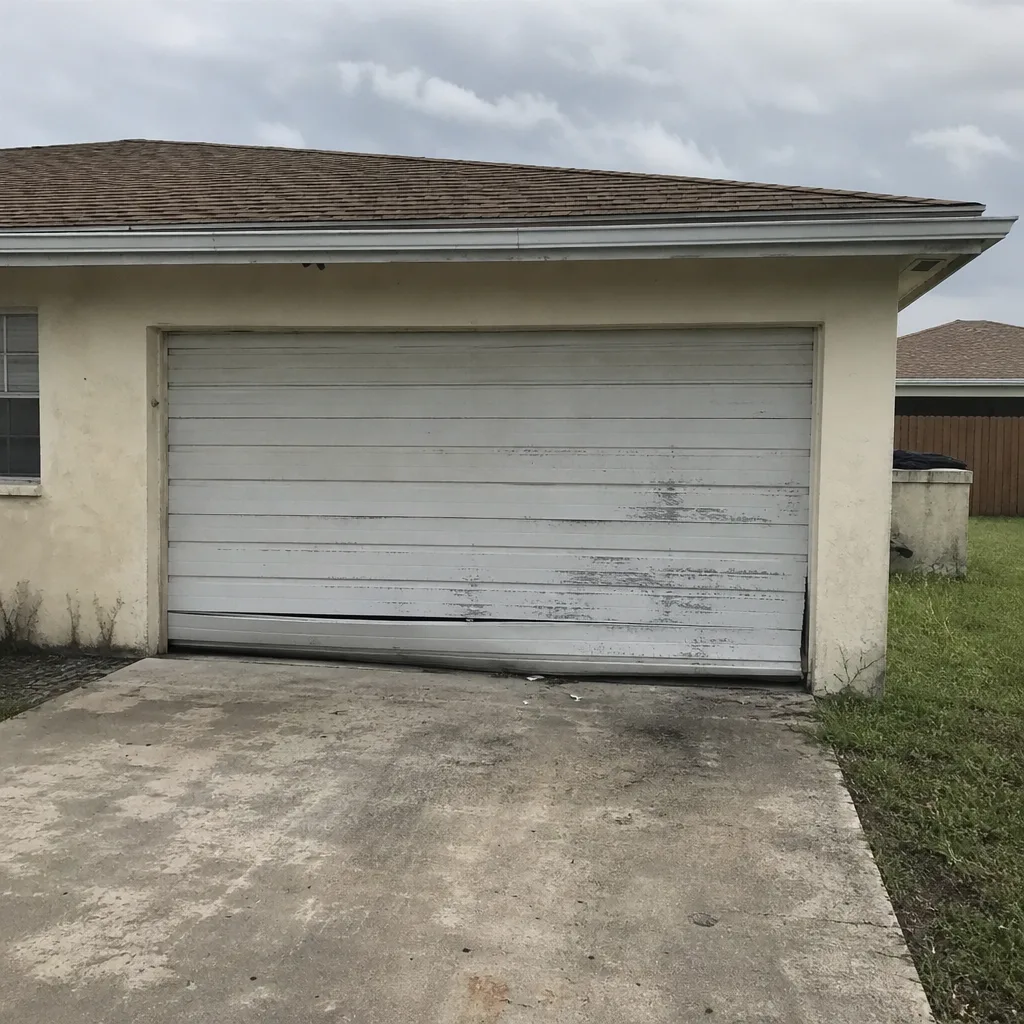 Before
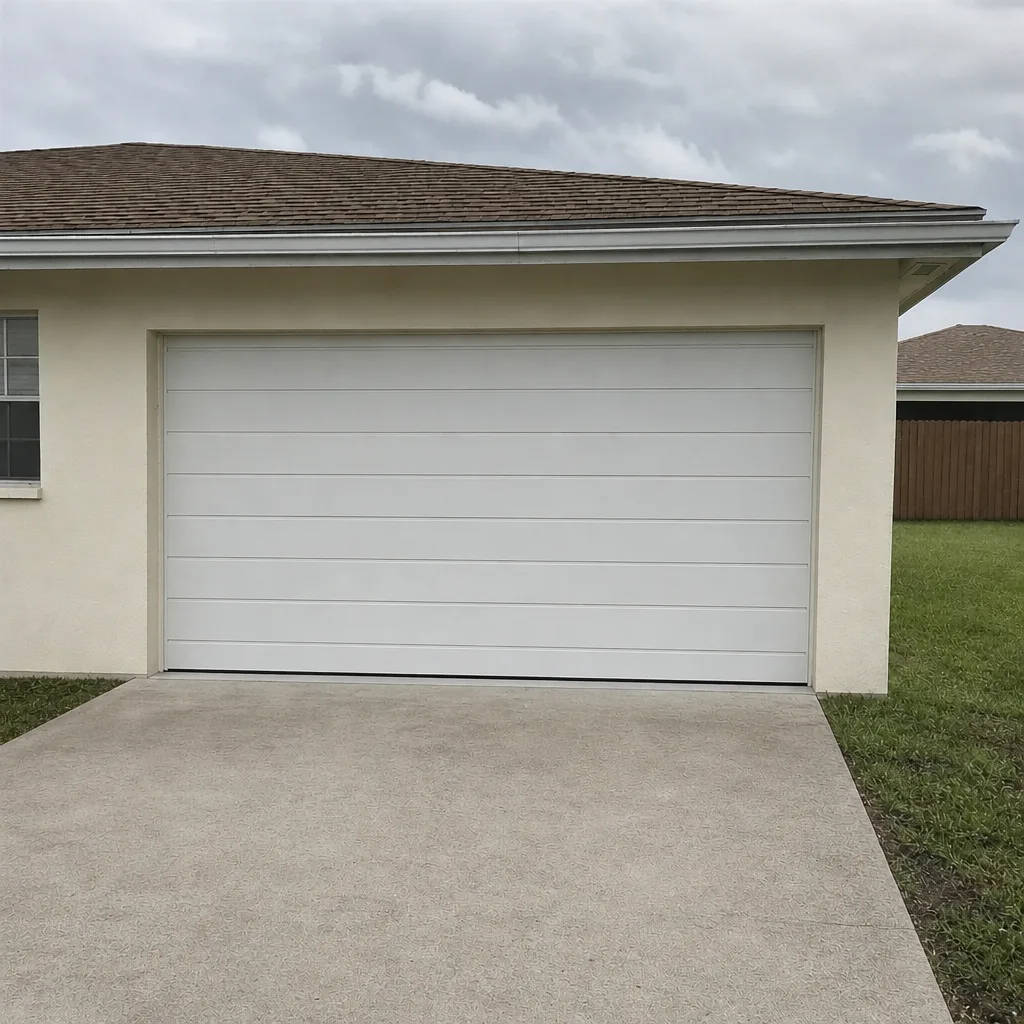 After
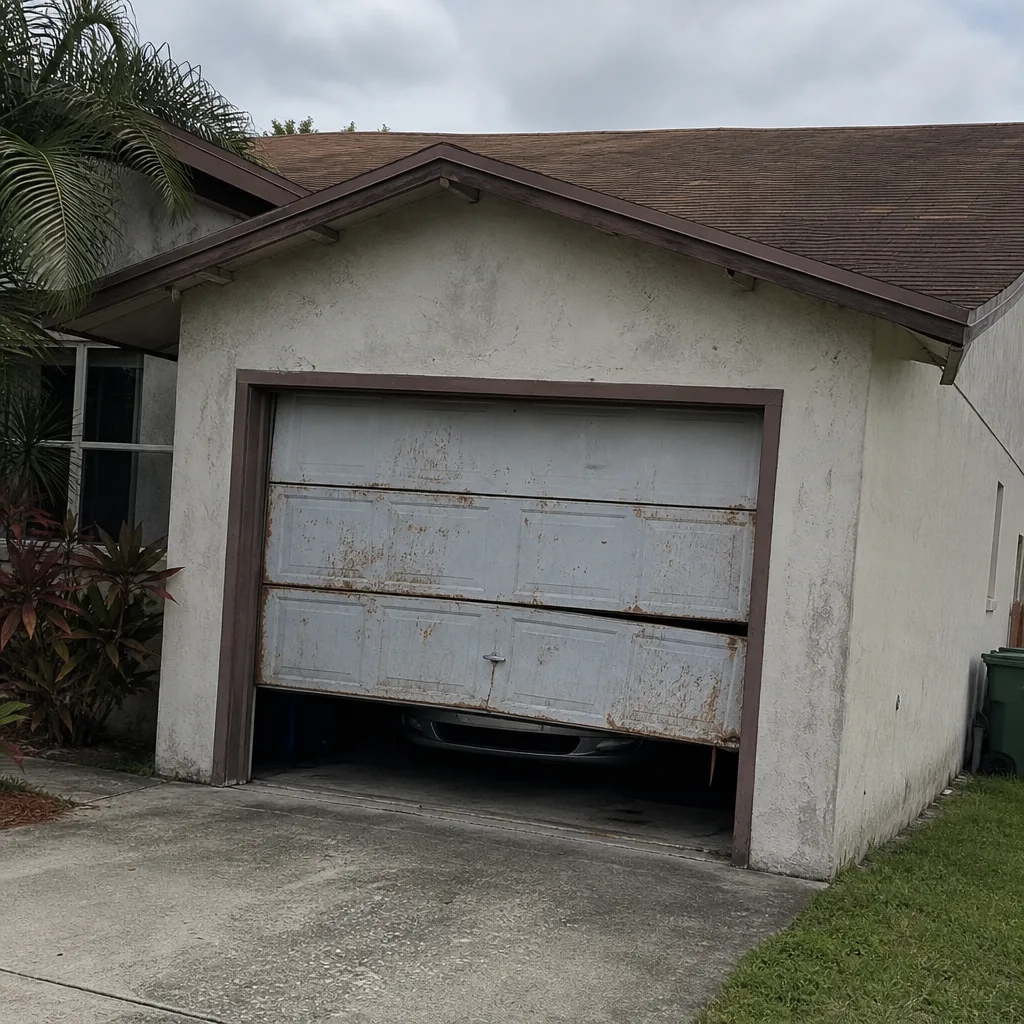 Before
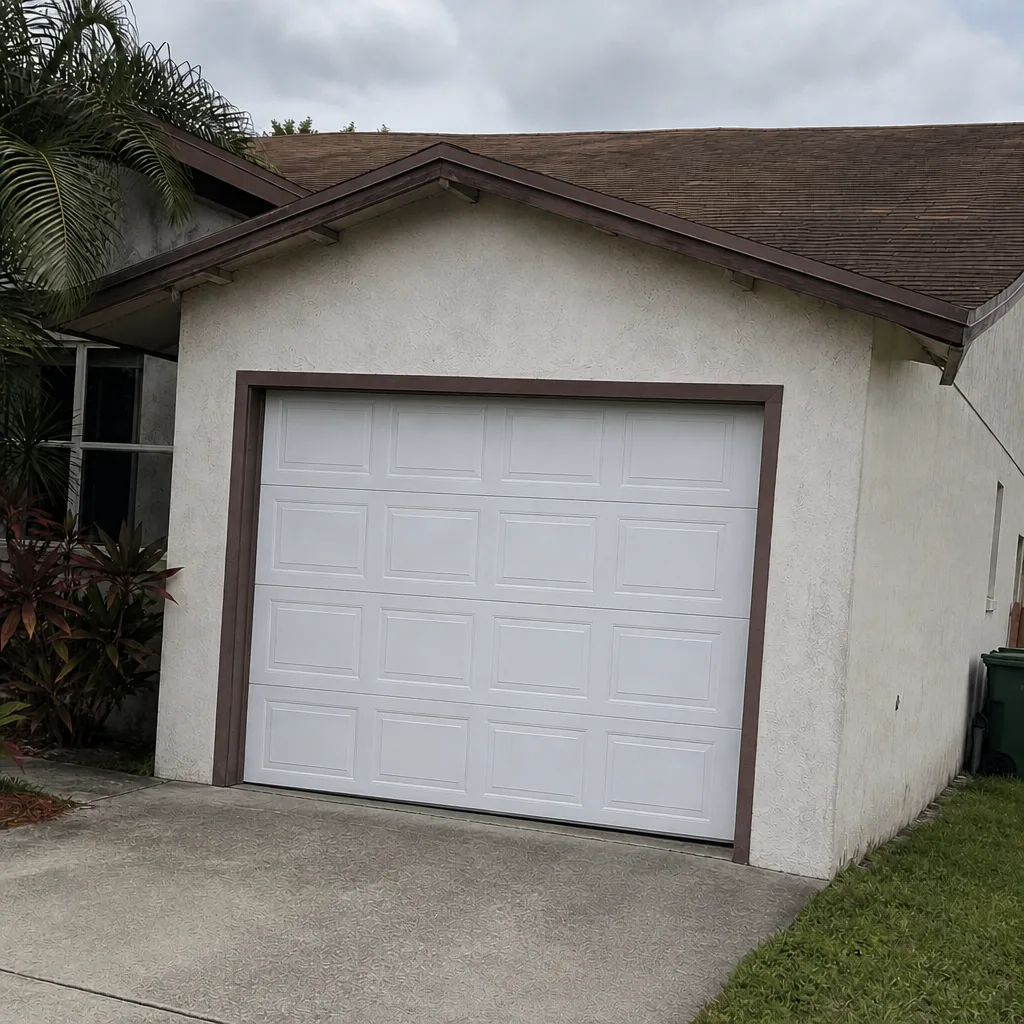 After
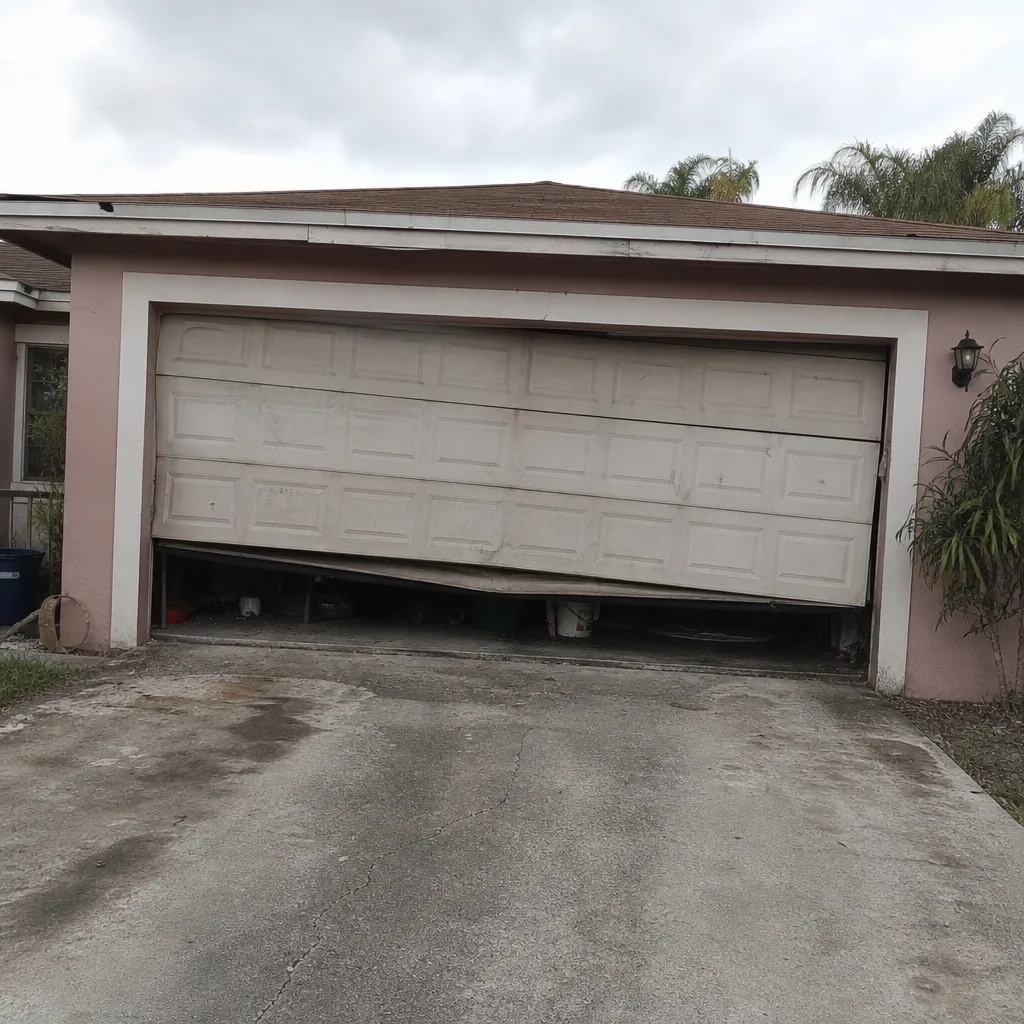 Before
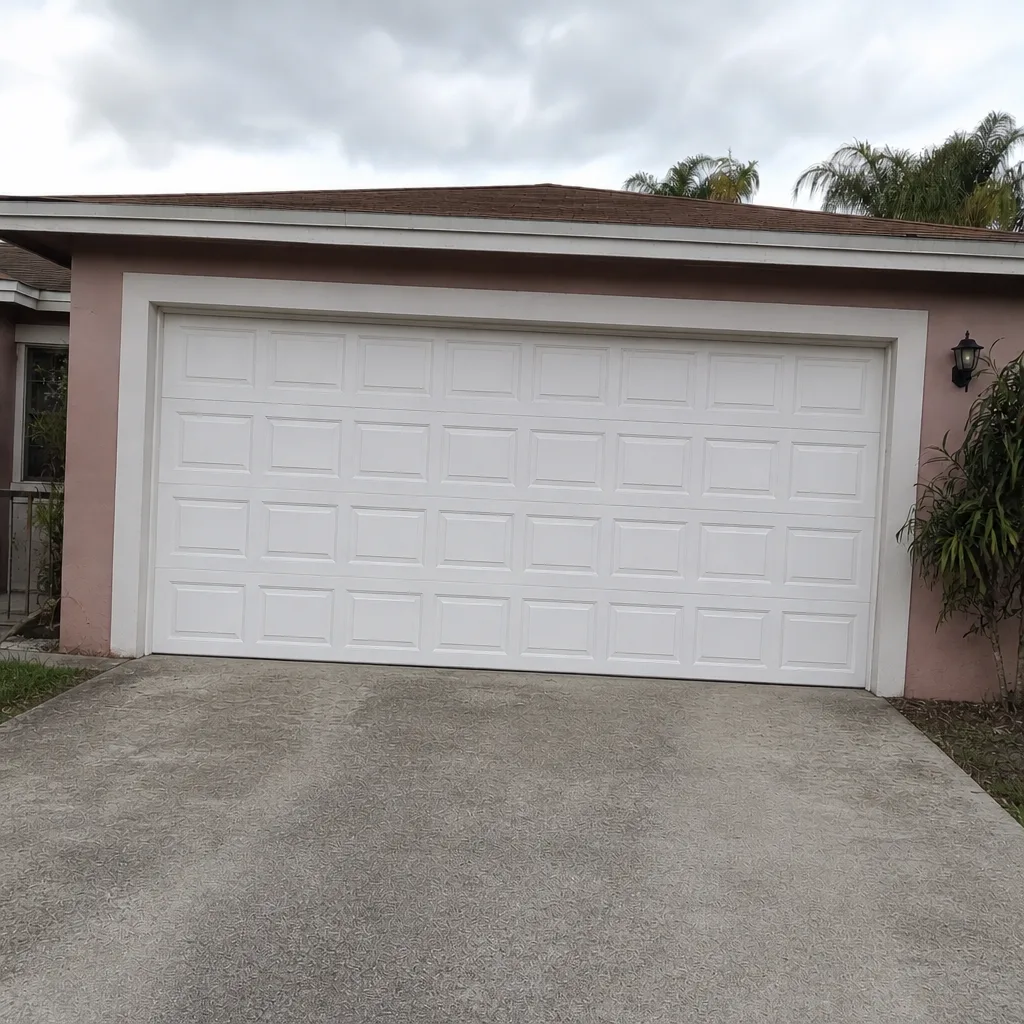 After
When to Call a Professional
Call a professional when the door won’t move by hand, when you see a broken spring or a snapped cable, when the opener strains or the door runs crooked, or when a wind-rated door won’t latch or seal before a storm. Call when the door is stuck open and the house is exposed. Call after a storm if the door has damage you can’t safely assess. Springs and cables are the parts that most often need a trained hand, and a trained hand is what we send. Homestead Garage Door Repair Co offers free estimates in Homestead. Call (866) 680-1175 and we’ll tell you what’s happening and what it takes to get back to working order.
Frequently Asked Questions
Spring repair in Homestead is priced per spring, and most doors have a matched pair that’s usually replaced together, so a pair runs about twice the single-spring range. Your written estimate sets the final price. Call (866) 680-1175 for an exact quote; estimates are free.
We do offer emergency garage door service, and a stuck door that’s trapping a car or leaving a home open is exactly what it’s for. Call (866) 680-1175 and describe what you see: whether the door is open or shut, and whether you saw a broken spring or cable.
No. We tell you what’s wrong, quote the price, and agree on it before any work starts. The written quote is the price. If the situation turns out to be different from what we discussed on the phone, we’ll tell you before we touch anything.
The local pro is licensed and insured as their state requires. Confirm the credentials for your market when you call; we’re happy to go over them.
Keep people and cars clear of the door, don’t pull the manual release or force the door, and secure the opening from the inside if you can. Then call for emergency service at (866) 680-1175. An open garage in Homestead is a security problem, so prioritize closing the space to the outside until a technician arrives.
Photograph the door and opening before any cleanup, in wide and close-up shots, note when the storm hit and what you saw, keep the damaged parts, and get a professional inspection with a written description. Then contact your insurer with that documentation. We can provide the inspection summary.
The Bottom Line
Garage door emergencies in Homestead come in two forms, and the same checklist covers both: know how to release the door safely during an outage, verify your seal and latch before a storm, treat a failed spring or cable as a stop-and-call situation, and document damage before you clean up. A small amount of preparation, done in calm weather, is what separates a short repair from a stranded car, an exposed home, or a claim that drags on. When the door won’t wait, call a specialist who handles springs, openers, and panels as core work, not a side job. Learn more about Homestead Garage Door Repair Co and how we work. For repair, opener, spring, or installation questions, call (866) 680-1175 for a free estimate.
Written by the team at Homestead Garage Door Repair Co.