Last updated November 22, 2026
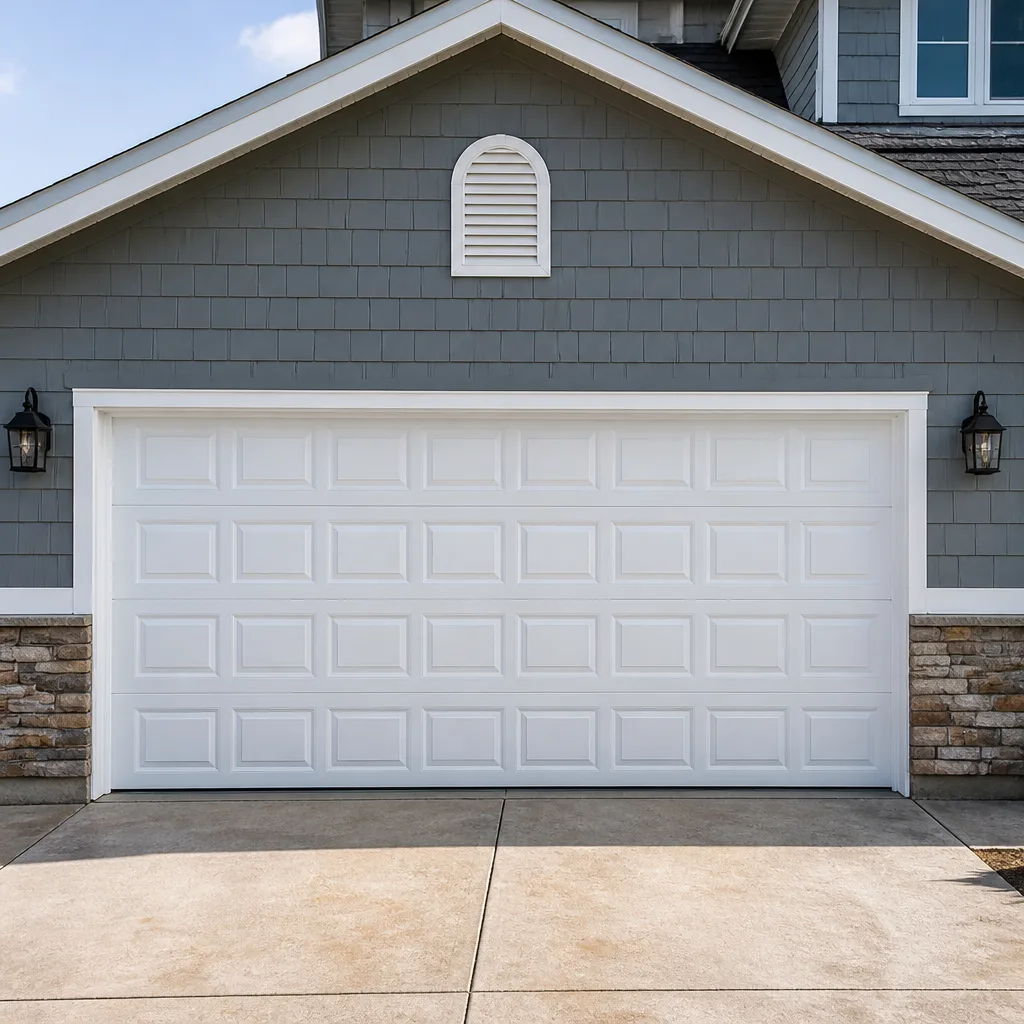 Raised-panel steel
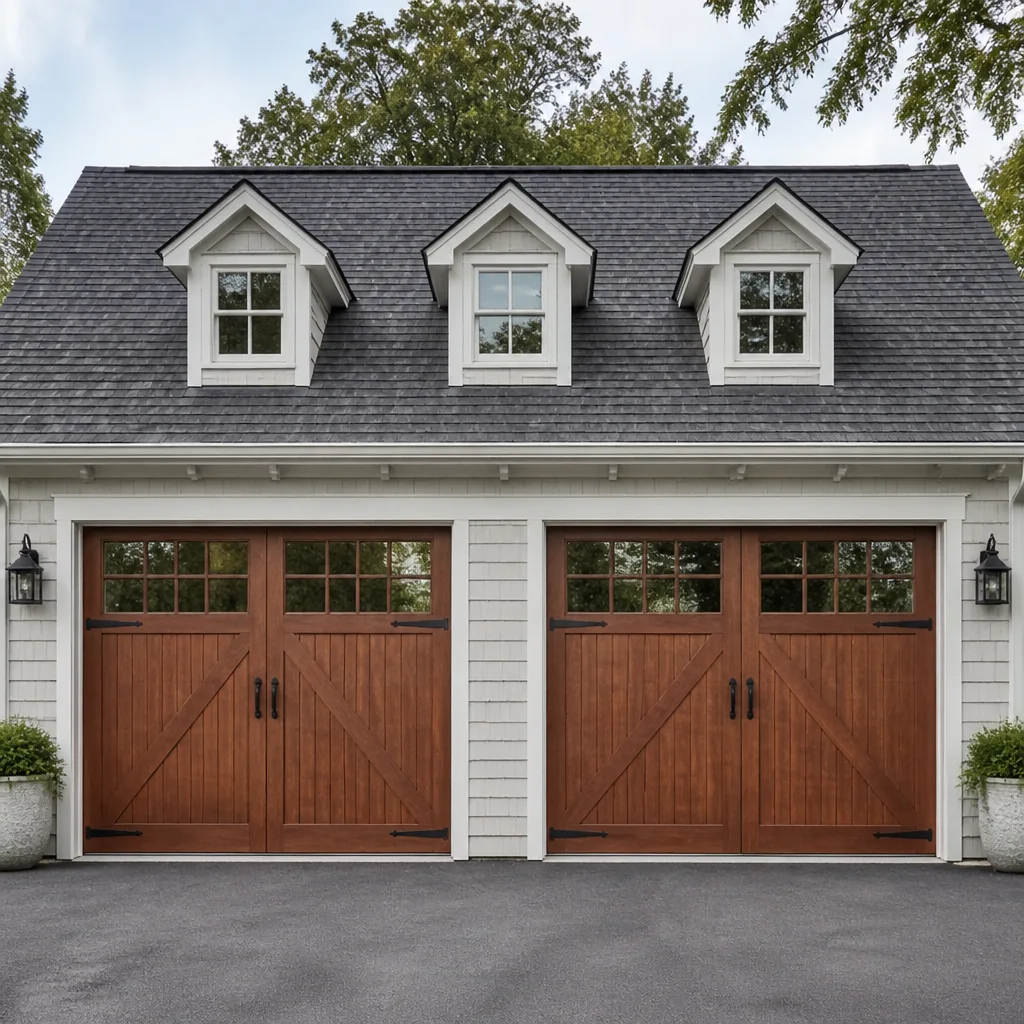 Carriage house
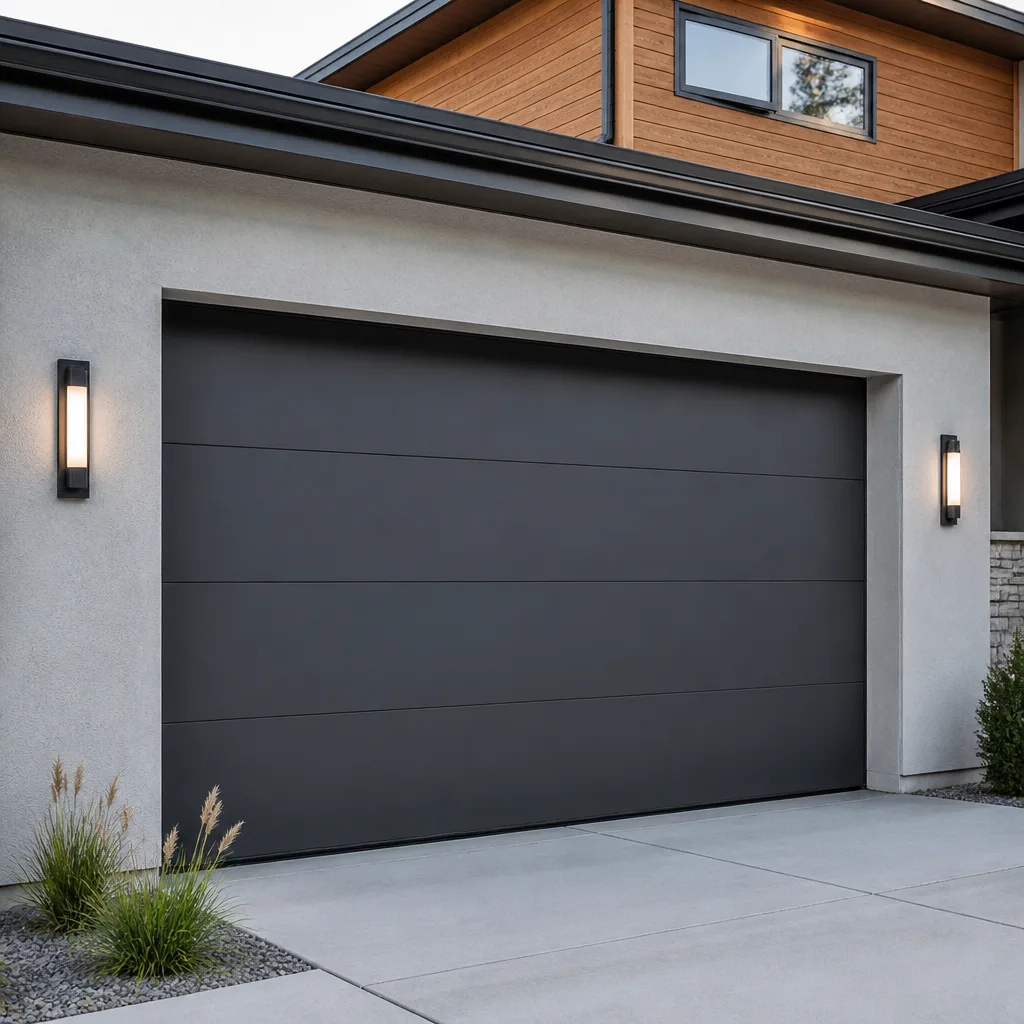 Modern flush
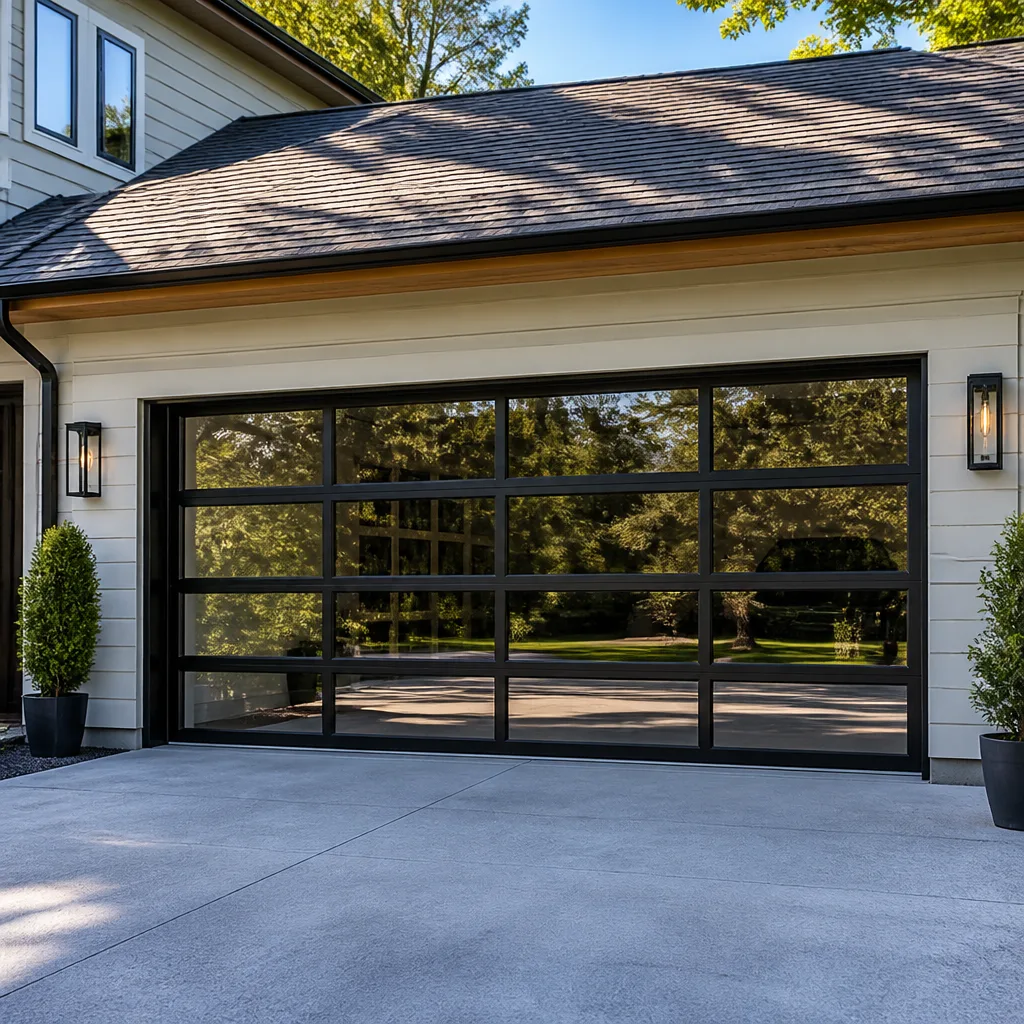 Full-view glass
 LiftMaster openers
 Chamberlain openers
Full 25-point door and opener safety check with every visit - springs, cables, rollers, tracks, and your LiftMaster or Chamberlain opener included
You get a price before we start. It does not change when the pro arrives.
Get your free estimateGarage Door Cost Breakdown: The Homestead Homeowner’s Reference for 2026
Most homeowners assume the cheapest garage door quote is the best one. In Homestead, that assumption can cost you twice: once for the non-compliant install, and again when it fails inspection and has to be redone. Miami-Dade County has some of the strictest wind-load product rules in the country, and they add real cost to doors, hardware, and labor. That’s why a code-compliant replacement here typically lands higher than the national average. This guide breaks down what every line item should cost in 2026, which components drive the premium, how to spot a bid that skips required parts, and where legitimate savings exist. You’ll finish knowing how to read a garage door quote in Homestead and tell a fair price from a cheap one.
Styles & brands we work with
- Raised-panel steel
- Carriage house
- Modern flush
- Full-view glass
- LiftMaster openers
- Chamberlain openers
Quick Answer
A code-compliant garage door replacement in Homestead typically costs $1,800 – $3,500 for the door, hardware, labor, permit, and inspection combined, compared with a national average around $1,200 for a standard install. Spring replacement usually runs $180 – $340 per spring, opener replacement $350 – $650 installed, and panel repair $150 – $500 depending on the panel. The single biggest reason Homestead pricing sits higher is Miami-Dade NOA approval requirements on doors and hardware, which affect material cost, sourcing, and installation labor. Any quote that lands well under $1,800 for a full replacement is almost always quoting a smaller scope of work.
Table of Contents
- Why Garage Door Costs Run Higher in Homestead
- The Miami-Dade NOA Premium: What Drives It
- Labor Costs by Job Type in Homestead
- Permits and Inspections: The Line Items Most Quotes Omit
- How to Read a Quote: Compliant vs. Non-Compliant Bids
- Where Legitimate Savings Exist
- Repair or Replace: The Decision Framework
- Springs: The Most Dangerous Part of the System
- Common Mistakes to Avoid
- When to Call a Professional
- Frequently Asked Questions
- The Bottom Line
Why Garage Door Costs Run Higher in Homestead
The national average cost for a garage door replacement sits around $1,200. In Homestead, budget $1,800 – $3,500 for a code-compliant install. That gap isn’t a local markup or a pricing trick; it comes from what’s actually required to put a door on a South Florida house and have it pass.
Miami-Dade County enforces wind-load and product-approval rules that most of the country doesn’t have. A garage door here needs to be rated for the wind pressures it will see, and the door, hardware, and anchoring all need to work as a system that’s been approved for use. That means Homestead homeowners are buying a tested, approved assembly, not just a panel and a spring. The approved product costs more to make and more to source. It takes more time to install correctly. And it has to be documented properly to survive inspection.
Housing stock plays a role too. Homestead has a wide mix: newer construction with standard sizing, older homes with non-standard openings, and everything in between. A door that’s an easy drop-in on a newer house may need custom sizing, re-framed jambs, or a different track configuration on an older one. Those are real labor hours, and they show up in a fair quote.
We see the same pattern across the trade: when a homeowner shops purely on the bottom-line number, the quote that wins is often the one that quietly excluded the approval requirements. That’s the “paying twice” scenario. Repair first, replace only when it makes sense is our default, but when replacement is the right call, the install has to be compliant or it isn’t finished. Our Homestead Garage Door Repair Co team writes estimates that show every component, so you can compare bids on equal footing.
The Miami-Dade NOA Premium: What Drives It
The NOA premium is the extra cost of buying a door and hardware assembly that’s been approved for Miami-Dade use versus a standard door that hasn’t. In practice, it’s the difference between a quote that hits the low number and a quote that describes a door you can legally install and get inspected. Several specific components drive that difference:
- The door itself. An approved door has been tested as an assembly to a rated wind pressure. The design, gauge of steel, and reinforcement all reflect that, and the price reflects it too.
- Reinforcement and struts. Approved installs often use extra struts and heavier reinforcement to meet the rating. These are separate line items, and they’re frequently missing from low bids.
- Anchoring and fasteners. Wind-load performance depends on the door staying attached. Approved anchoring hardware and fastener schedules cost more than generic hardware.
- Track and bracket configuration. Some approved assemblies call for heavier tracks or specific bracket spacing. On a standard install this is routine; on a compliant one it’s specified.
- Documentation and labeling. Approved products carry labeling and documentation that an inspector will ask for. A door without that paperwork fails inspection no matter how well it’s hung.
None of this is exotic. It’s just that the premium is real and it has to come from somewhere. When you see a full-replacement bid in Homestead well under $1,800, the most likely explanation is that one or more of the items above was left out. Sometimes that’s an honest mistake. Sometimes it’s a bid designed to win on price and figure out the rest later. Either way, you’re the one holding the permit.
If you want a quote you can compare line by line against another bid, call (866) 680-1175 for a free estimate. We’ll tell you exactly which components are in the scope and which are the ones a cheap quote is likely to omit.
Labor Costs by Job Type in Homestead
Labor doesn’t cost the same per job across different kinds of garage door work. A spring replacement is a focused, high-skill job. A full install is a half-day of measuring, anchoring, adjusting, and documenting. Opener work sits in between. Here are the typical 2026 ranges for common jobs in Homestead, with labor and materials combined:
- Spring replacement, one spring: $180 – $340. A matched pair is usually replaced together, so a pair typically runs about twice a single-spring price.
- Full replacement install: $1,800 – $3,500 for a code-compliant door, hardware, labor, permit, and inspection.
- Opener replacement: $350 – $650 installed, depending on the model and whether wiring or the rail setup needs updating.
- Panel repair or replacement: $150 – $500, depending on how many panels and whether the replacement panel must match an approved assembly.
- Track and roller service: often folded into a repair visit; ask for it as a line item so you can see what you’re paying for.
We work on the major opener and door brands – Chamberlain, Genie, LiftMaster, and others – so the labor estimate isn’t skewed by unfamiliarity. Our technicians have up to 14 years of experience, and that matters most on spring work, where a misjudged spring can damage the opener or the door.
Every price we quote is agreed before any work starts. The written estimate is the price; if something changes once the door is opened up, you hear about it before anyone touches a tool, not on the invoice.
Permits and Inspections: The Line Items Most Quotes Omit
Most online garage door cost estimates leave permits and inspections out entirely. In Homestead, they’re part of the project and part of the budget. A full replacement typically needs a permit, and the work needs to pass inspection, which means the cost of both belongs in your total.
How much you pay depends on the scope and the current fee schedule, which is set by the city. The right move is to ask the city’s building department what a garage door replacement permit costs for your address before you sign anything. It’s a quick call and it tells you whether a quote is including it or quietly leaving it to you.
Inspection adds a second layer. An inspector will want to see that the door, hardware, and anchoring meet the approval requirements, and that the documentation matches what’s on the house. If a door was installed without the right approved components, the inspection is where it surfaces. That’s why a non-compliant bid often costs more in the end: you pay for the first install, then pay again to correct it, plus the re-inspection.
A fair Homestead quote lists permit and inspection as separate lines. Here’s what a complete scope should show:
- The door model and its approval status for Miami-Dade use
- All reinforcement, struts, and anchoring hardware as line items
- Track and bracket configuration if it differs from standard
- Labor for removal and install, itemized
- Permit cost and who pulls it
- Inspection coordination and documentation
If a quote shows one lump sum with no breakdown, ask for the detail. A contractor who can’t produce it is telling you something.
How to Read a Quote: Compliant vs. Non-Compliant Bids
The cheapest bid is rarely for the same scope of work as the compliant one. Your job as a homeowner is to make the comparison apples to apples. Here’s how to do it, step by step:
- Check for the approval language. A compliant Homestead quote names the door and states that it’s approved for use in Miami-Dade. A non-compliant one names a door and nothing else.
- Look for reinforcement and anchoring as separate lines. If they aren’t there, ask where they are. Sometimes they’re bundled into the door price; often they’re absent.
- Confirm the permit is included. A quote that says “permit by owner” is a smaller scope. Price the permit separately before you compare totals.
- Check the inspection line. If it’s missing, add it to the quote you’re comparing against.
- Ask what happens if inspection fails. A contractor confident in the scope will tell you who’s responsible for corrections. That answer tells you a lot.
- Compare labor hours, not just totals. An install that takes longer because the opening needs adjustment is a bigger job. A low bid that assumes an easy drop-in isn’t comparable to one that priced the work honestly.
We’ve seen this play out enough times to say it plainly: the quote that lands $600 under the others usually isn’t a better deal, it’s a smaller job. When you compare the compliant scope against the compliant scope, the range tightens up. Our garage door repair team will walk you through a competing bid and point out what’s missing without pressuring you to switch.
Where Legitimate Savings Exist
Compliance is non-negotiable. But there are real ways to lower the total without cutting corners on the parts that matter. These are the levers worth pulling:
- Opener selection. The opener is where the widest price range lives. A solid belt-drive opener from LiftMaster or Chamberlain does everything most Homestead homeowners need. A smart opener with extra features adds cost without improving the door’s structural compliance. Spend on the door, not the app.
- Door style trade-offs. A simpler panel design in an approved model often costs less than a decorative one while meeting the same approval requirement. The carriages and windows are where the premium hides. If the style is a preference and the approval is a requirement, save on the style.
- Timing the work. A door that’s rattling but still operating can be measured and scheduled rather than replaced under pressure. Planning the replacement lets you compare bids and choose a model on its merits instead of taking whatever’s on the truck.
- Repairing what’s repairable. A panel, a roller, a hinge, or an opener board can often be fixed for a fraction of a replacement. We look at repair first on every visit. Panel replacement at $150 – $500 beats a full install when the rest of the system is sound.
- Keeping the same opening size. If the existing opening is standard, a drop-in approved door is usually the least expensive compliant path. Changing the opening size adds framing and finishing cost.
What we don’t recommend: choosing a door that isn’t approved because it’s cheaper. The savings is temporary and the correction cost isn’t.
Repair or Replace: The Decision Framework
Replacement is the right call less often than most homeowners expect. A garage door is a system – panels, springs, opener, tracks, rollers, and hinges – and a failure in one part rarely justifies replacing the whole thing. Here’s how we think through the decision on a Homestead service call:
- Is the door structurally sound? If the panels are intact and the frame is square, repair is almost always the better path.
- Is the failure mechanical or structural? A snapped spring, a dead opener, or a bent track is mechanical. A rotted or dented panel set, or a failed anchor, may push toward replacement.
- Does the existing door comply? If a door was installed without approval and the home is being inspected, replacement may be unavoidable. If not, repair the existing system.
- How does the cost compare over time? A repair that costs 15 – 25% of replacement is usually the smarter move. Multiple repairs in a short window on an old door tip the other way.
- Does the opener still work? Replacing a door doesn’t require replacing a working opener, and replacing an opener doesn’t require a new door. Keep the two decisions separate.
Our garage door opener repair service is often the whole job: a board, a gear, or a safety sensor, and the door is back in business. We’ll tell you when a repair is the honest answer, and when a replacement is.
Springs: The Most Dangerous Part of the System
Torsion and extension springs hold enormous stored energy. When one lets go, it can throw hardware across the garage. This is the single most dangerous repair in the trade, and it’s the one we treat as a specialty rather than an errand.
Spring repair in Homestead typically costs $180 – $340 per spring, and a matched pair is usually replaced together, so a pair runs about twice that. The cost reflects the spring, the labor, and the safety work: tensioning, balancing, and verifying the door operates smoothly through its full travel. It’s not a job to attempt yourself.
What you should check, safely, without touching the spring:
- Does the door feel heavy or drop hard when you lift it by hand?
- Is the door crooked at rest – one side higher than the other?
- Did the opener start struggling to lift the door?
- Are there visible gaps or distortion in the spring coils at rest?
If any of those are true, stop operating the door and get a professional out. Our garage door spring repair team handles spring work daily, and we treat a snapped spring as urgent: a broken spring means the door is dead weight, and a door that comes down on a car or a person is the real risk. Call (866) 680-1175 and we’ll get someone scheduled – same-day when the door won’t wait.
Common Mistakes to Avoid
- Shopping purely on the bottom-line number. A Homestead bid that lands well under the compliant range is almost always a smaller scope. Compare line items, not totals.
- Assuming a permit is optional. A full replacement usually needs a permit and an inspection. Skipping either pushes the cost onto you later, and the correction is usually more expensive than the original.
- Buying a door without checking approval status. A standard door from a big-box store may not meet Miami-Dade requirements. If the quote doesn’t name the door and its approval, ask.
- Replacing the whole door for a single panel. A dented panel or cracked section is often a $150 – $500 fix, not a $1,800+ job. Get a repair estimate before you sign a replacement.
- Letting the opener drive the whole decision. The opener is a small piece of the system. Don’t let a smart-opener upgrade steer you into a different door than you need, or into a spring job that’s overdue.
- Trying spring or cable work yourself. This is the one part of garage door work where a mistake can be serious. Springs, cables, and the bottom bracket are professional-only territory.
- Not asking what happens if inspection fails. A contractor who’s confident in the scope will tell you who handles corrections. Get the answer before the work begins.
When to Call a Professional
Some garage door problems wait; some don’t. Call us when the door won’t open or close at all, when a spring has visibly snapped, when the door is crooked or binding, when the opener runs but nothing moves, when the door reverses inexplicably, or when a panel is damaged enough to leave the opening exposed. Also call if a replacement was done without approval and you’re facing an inspection, or if you’re comparing bids for an upcoming install and want a compliant scope to measure against. Springs and cables belong in the “don’t touch it” category: those are the repairs where a professional genuinely matters. Homestead Garage Door Repair Co offers free estimates in Homestead – call (866) 680-1175. We’ll give you a written scope you can compare, with every component listed and the price agreed before any work starts.
Frequently Asked Questions
A code-compliant garage door replacement in Homestead typically costs $1,800 – $3,500, covering the door, hardware, labor, permit, and inspection. The range depends on the door model, whether the opening needs adjustment, and whether the approval components are included. Call (866) 680-1175 for an exact written estimate – estimates are free.
Miami-Dade County requires approved doors and hardware that meet wind-load rules, and those approved assemblies cost more to make and install than standard doors. The difference isn’t labor markup; it’s the approved product and the documentation needed to pass inspection. Any bid near the national average of $1,200 is likely either quoting a non-compliant door or leaving out required components.
Spring repair in Homestead typically runs $180 – $340 per spring, and a matched pair is usually replaced together, so expect about twice that for a pair. The price includes the spring, tensioning, balance, and safety checks. Call (866) 680-1175 – spring work is a genuine safety issue and we treat it as urgent.
No. The written estimate is the price. We look at the door, measure the opening, and quote the full scope before any work starts. If something unexpected turns up, we tell you before touching a tool and you decide how to proceed. There’s no invoice surprise at the end.
The local professionals we connect you with are licensed and insured as their state requires, and they’re trained on the leading garage door and opener brands, including LiftMaster, Chamberlain, Genie, Clopay, Amarr, Wayne Dalton, Craftsman, and Raynor. Our technicians have up to 14 years of experience. Ask about credentials on the call and we’ll confirm what applies in your area.
Choose an approved door in a simple style, keep the existing opening size, and pair it with a solid mid-range opener from a brand like Chamberlain or Genie rather than a feature-loaded one. None of those choices affects structural compliance. What doesn’t save money: skipping the permit, skipping the approved hardware, or cutting corners on springs.
The Bottom Line
Garage door pricing in Homestead runs higher than the national average for a specific, explainable reason: Miami-Dade approval requirements add real cost to the door, hardware, and labor. A compliant replacement typically lands at $1,800 – $3,500. Spring repair runs $180 – $340 per spring, new openers $350 – $650 installed, and panel repairs $150 – $500. The most important thing you can do is read the quote line by line and compare compliant scope to compliant scope. The cheapest bid is usually a smaller job, not a better deal. Repair first, replace only when it makes sense, and get it in writing before anyone starts.
Written by the team at Homestead Garage Door Repair Co.
See the difference
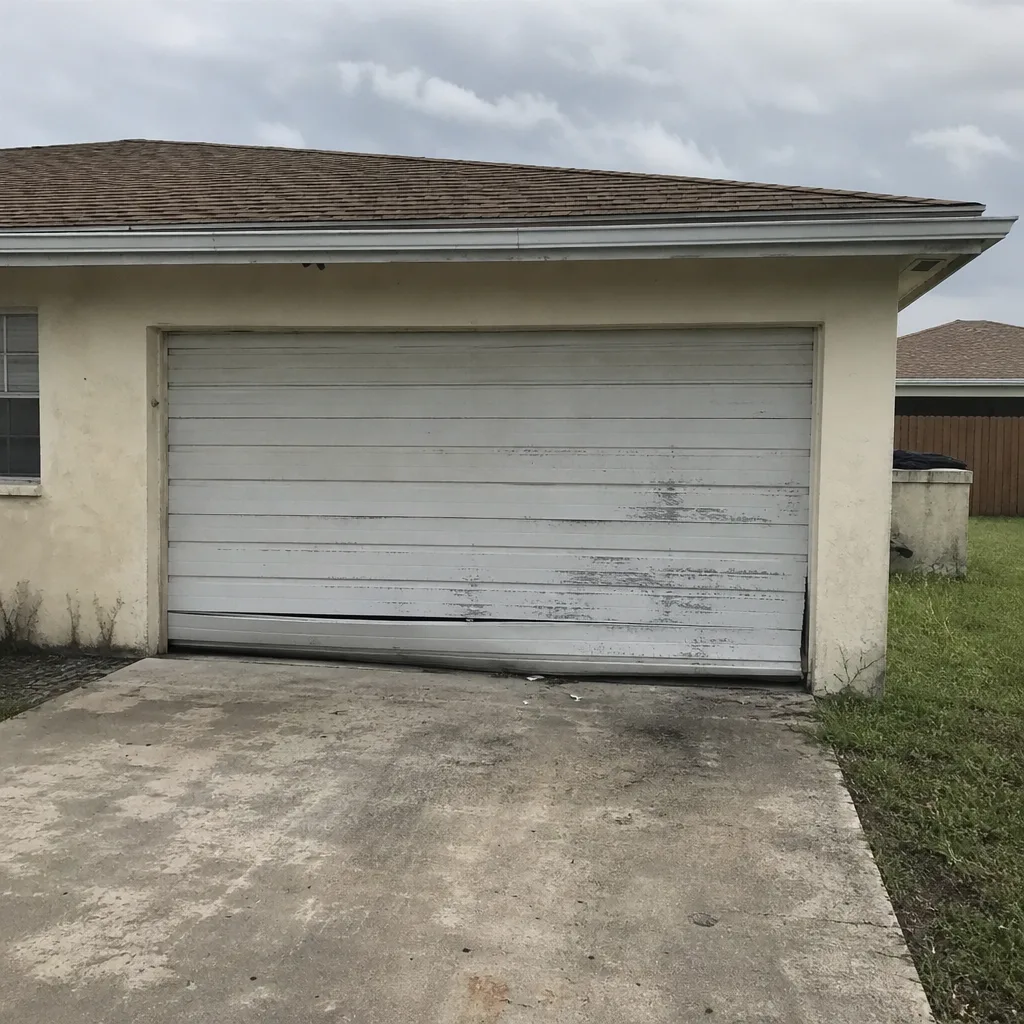 Before
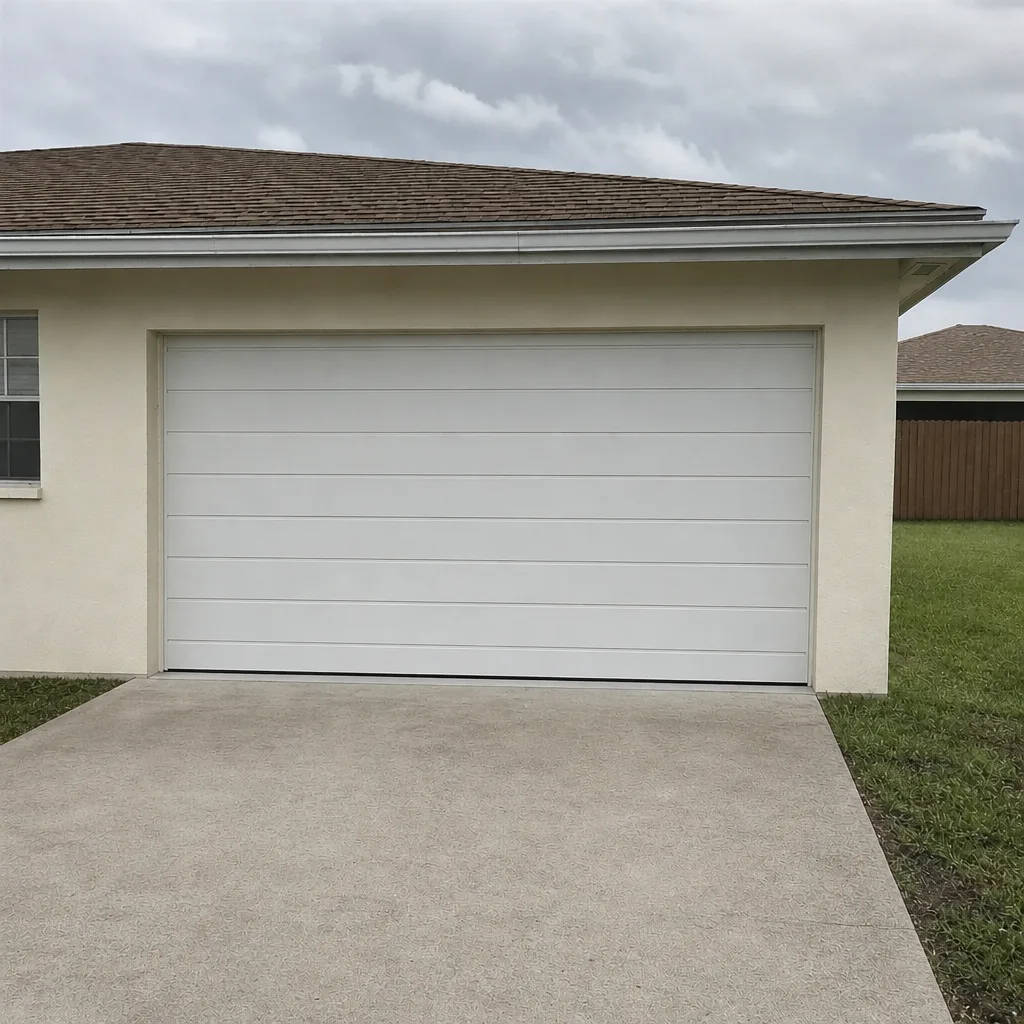 After
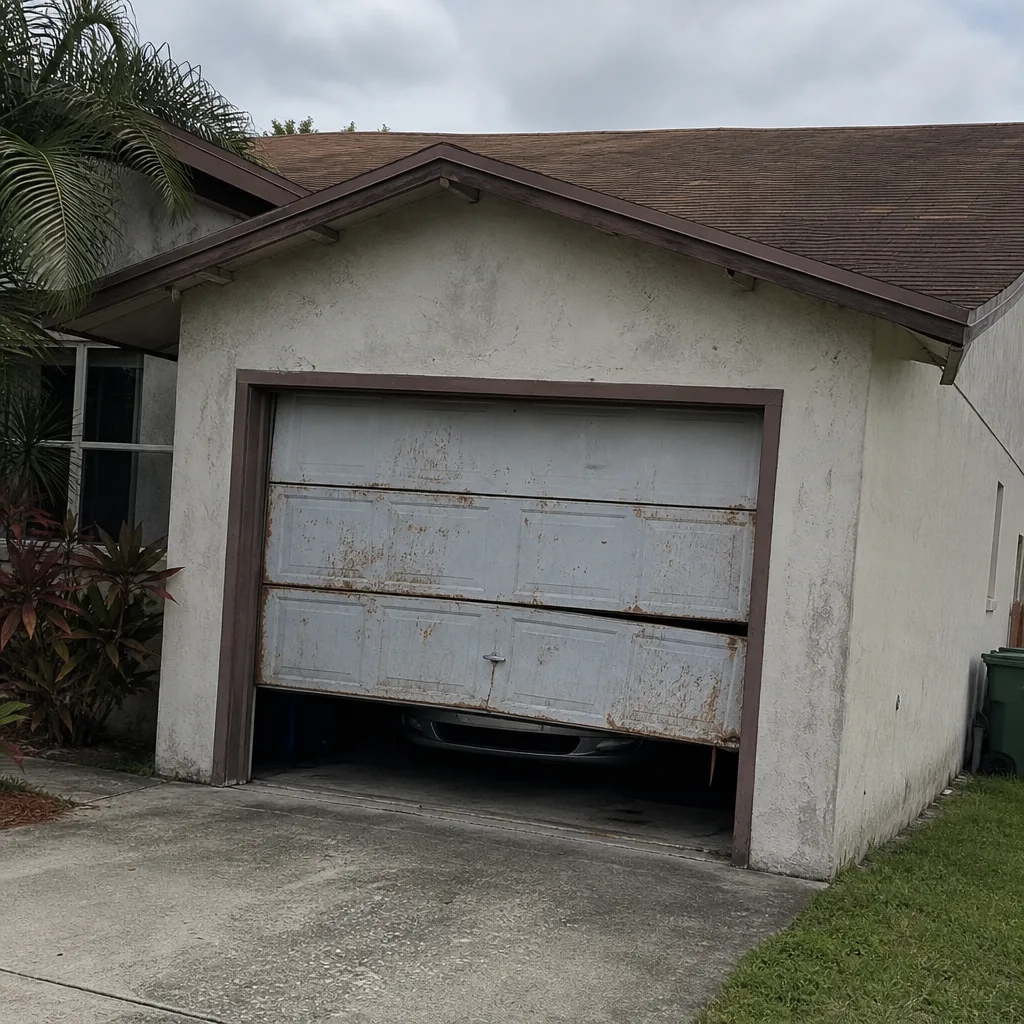 Before
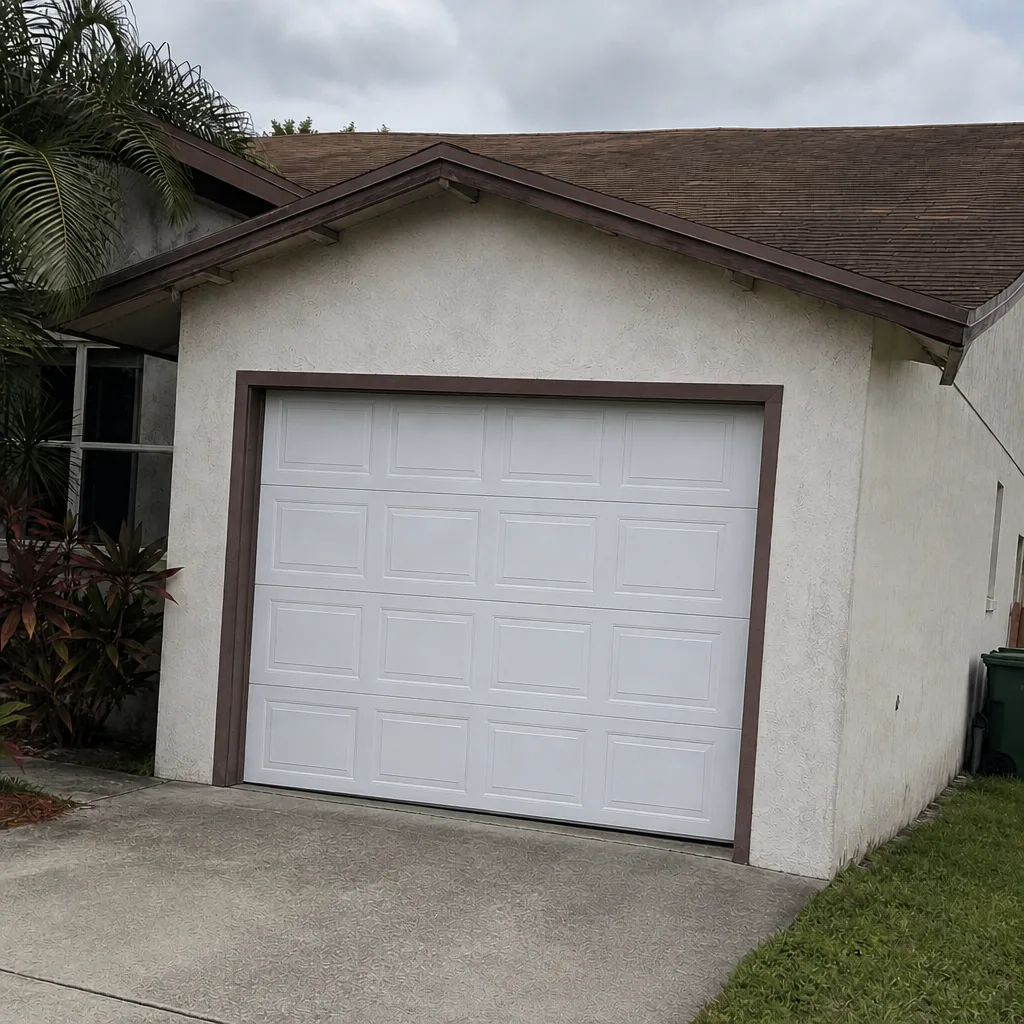 After
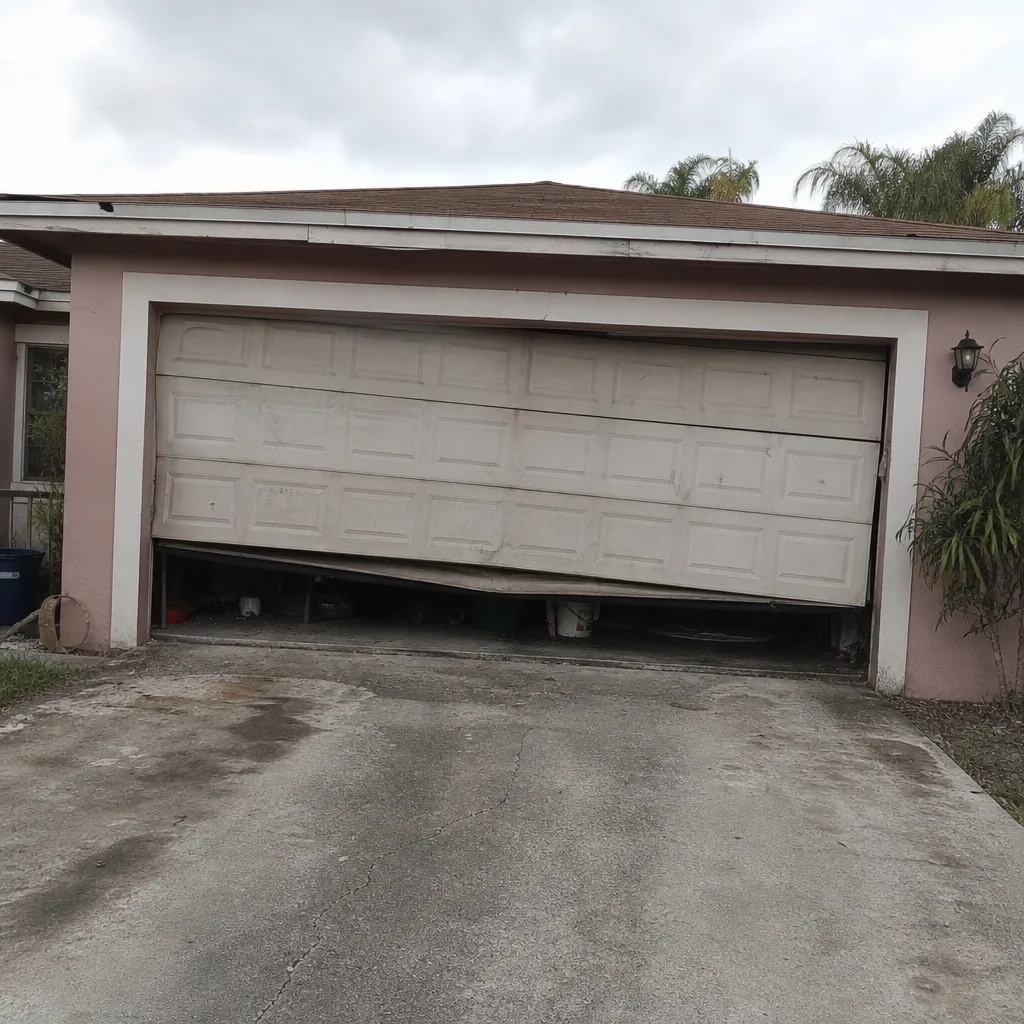 Before
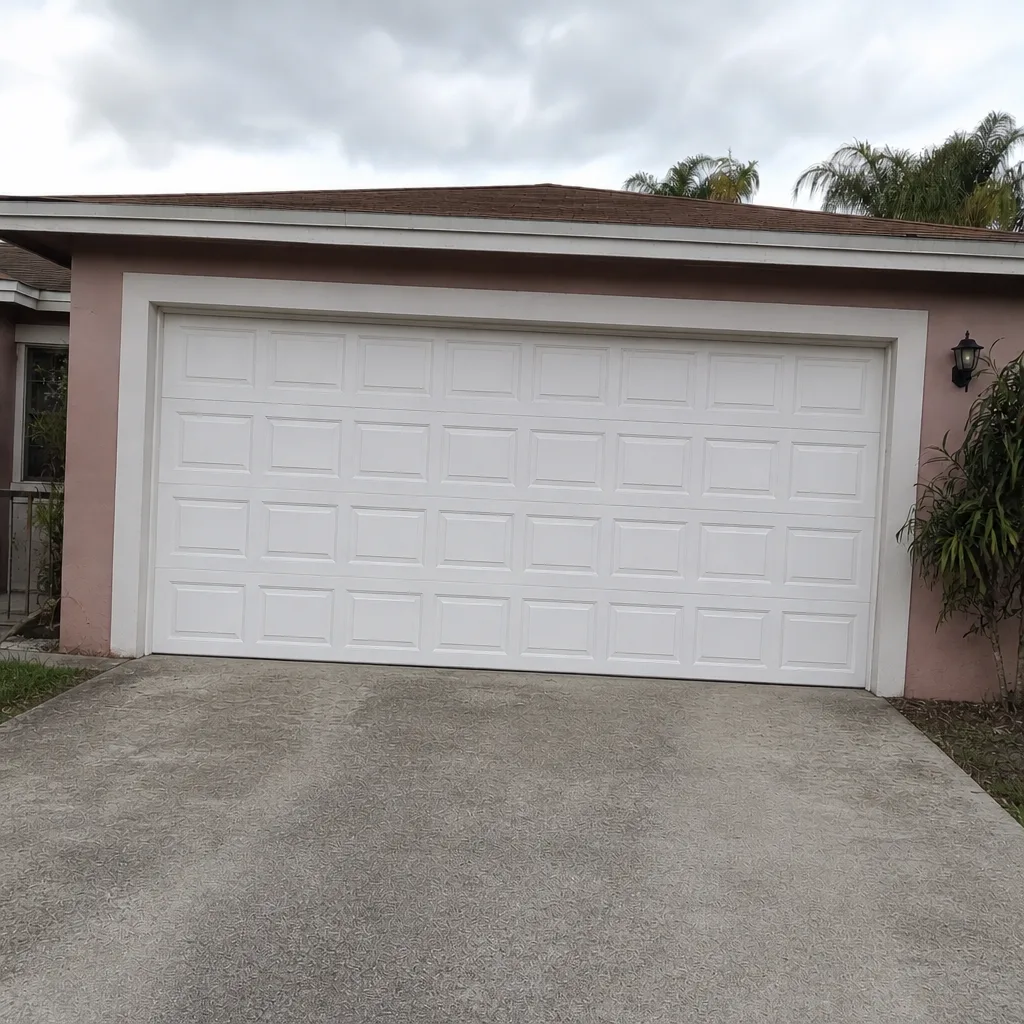 After